
High-purity lithium compounds form the cornerstone of stable battery performance, especially in lithium-ion batteries used in electric vehicles and consumer electronics. Manufacturers like TAIYE focus on producing these essential materials to meet the growing demands of efficient battery technologies. Without high-quality lithium compounds, the risks of unstable energy output and shorter battery life increase, impacting user satisfaction and technology adoption.
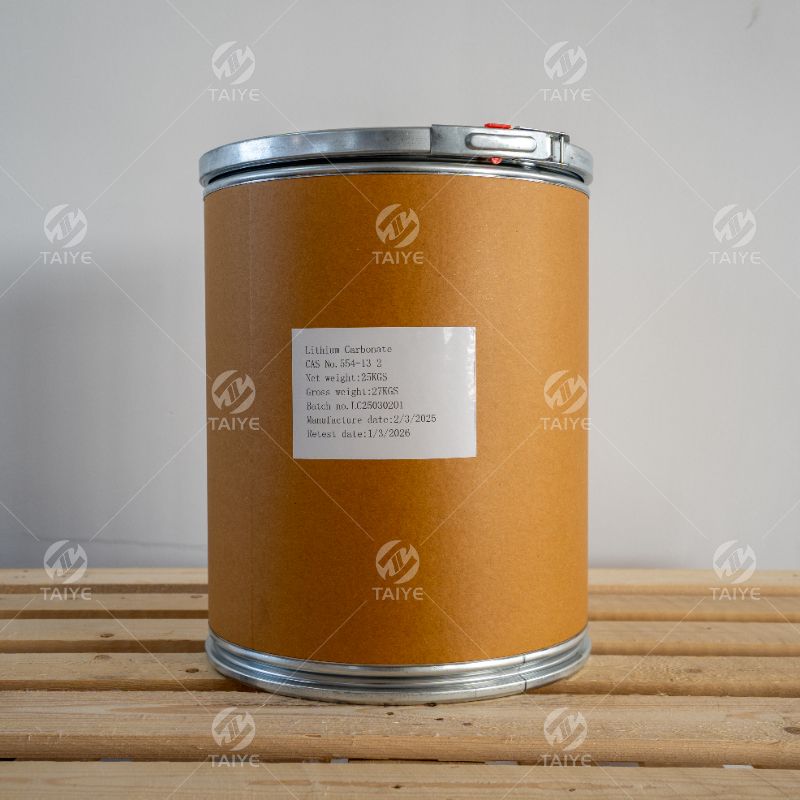
High-purity lithium compounds are critical for various applications due to their unique properties. The term "high-purity" refers to lithium compounds that contain minimal impurities, often exceeding 99.5% purity. Major types of high-purity lithium compounds include:
Lithium Hydroxide (LiOH)
Lithium Carbonate (Li2CO3)
Lithium Chloride (LiCl)
- High thermal stability
- Excellent electrochemical performance
The significance of high-purity lithium compounds cannot be overstated. They directly influence battery performance parameters, which include:
Energy Density: Higher purity enhances energy output.
Cycle Stability: Purity reduces degradation over charge cycles.
Charging Speed: High-purity compounds allow for faster absorption of ions.
Research indicates that batteries using high-purity lithium can achieve energy densities up to 250 Wh/kg, compared to lower-purity alternatives.
High-purity lithium compounds are essential in numerous applications, primarily within the battery technology sector. They play a crucial role in:
Electric Vehicles
Consumer Electronics
Energy Storage Systems
70% of lithium carbonate produced globally is used in electric vehicle batteries.
The purity of lithium compounds significantly impacts battery performance metrics:
Voltage Stability: Ensures consistent voltage levels throughout the discharge cycle.
Temperature Resistance: Reduces overheating risks during charge and discharge.
Lifecycle: Enhances the overall lifecycle of the battery, reducing replacement frequency.
An analysis conducted in 2023 showed that batteries incorporating high-purity lithium hydroxide improved lifespan by over 30% compared to its lower-purity counterpart.
Rigorous quality control processes are vital in the production of high-purity lithium compounds. This includes:
Raw Material Selection: Sourcing materials with minimal impurities.
Production Monitoring: Continuous assessment during the manufacturing process.
Post-production Testing: Ensuring compliance with purity standards through laboratory testing.
To meet industry standards, manufacturers conduct tests to ensure that lithium compounds contain less than 0.5% impurities.
Managing a supply chain for high-purity lithium compounds involves several key considerations:
Sourcing: Identifying reliable suppliers for raw materials.
Transportation: Minimizing contamination risks during shipment.
Storage: Maintaining controlled environments to preserve purity.
On average, logistical challenges can increase costs by up to 15% in the lithium supply chain.
High-purity lithium compounds are undeniably the foundation of stable and efficient battery performance. As the market for batteries continues to evolve and expand, the need for manufacturers like TAIYE to provide high-quality lithium products will remain paramount. By focusing on purity, we can not only improve battery lifespan and performance but also contribute to a more sustainable energy future.
Copyright:@2020-2021

Comments Please sign in or sign up to post.
0
0 of 500 characters used