
In today's construction and insulation industry, material choices play a pivotal role in energy savings, temperature control, and overall building performance. One such material that has surged in popularity is glass wool insulation. Comprised of fine strands of glass, glass wool is renowned for its excellent thermal and acoustic insulation properties, making it a choice material for residential, commercial, and industrial applications.
For more information, please visit Glass Wool For Insulation
As energy efficiency continues to be a pressing concern globally, glass wool insulation has become increasingly sought after. It brings a multitude of benefits, and understanding these can help buyers make informed decisions when purchasing.
One of the top benefits of glass wool insulation is its exceptional thermal performance. Glass wool insulation offers an outstanding R-value, which measures its effectiveness in resisting heat flow. This characteristic helps maintain consistent indoor temperatures, thereby reducing the need for excessive heating and cooling. As a result, buildings insulated with glass wool can achieve significant energy cost savings throughout their lifespan.
Another significant advantage of glass wool insulation is its soundproofing properties. The dense structure of glass wool effectively absorbs sound waves, minimizing noise transfer between rooms and from outside sources. This feature is particularly beneficial in residential environments, where comfort and tranquility are essential, as well as in commercial buildings like offices and hotels, where acoustic control can enhance the user experience.
Fire resistance is another compelling reason to consider glass wool insulation. The material is non-combustible, meaning it can withstand high temperatures without igniting. This inherent quality offers an additional layer of safety to buildings, potentially reducing the risks associated with fire hazards. Many manufacturers ensure their glass wool products meet rigorous fire rating standards, providing peace of mind for buyers concerned about compliance and safety.
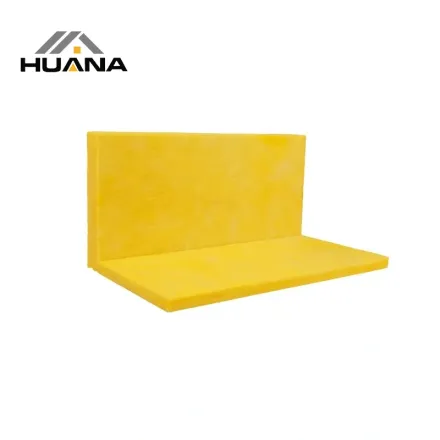
Moreover, glass wool insulation is lightweight and easy to handle, making it an ideal choice for construction and renovation projects. Unlike heavier insulation materials, glass wool can be easily transported and installed, reducing labor costs and construction time. Its flexibility allows it to be used in a variety of spaces, including walls, attics, floors, and ceilings, making it a versatile option for various building designs.
In terms of environmental impact, glass wool insulation is often manufactured from recycled glass materials. Many products are made up of a significant percentage of post-consumer glass, contributing to waste reduction and sustainability. Insulating a building with glass wool not only minimizes energy consumption but also supports eco-friendly practices, making it an attractive option for environmentally conscious buyers.
Furthermore, glass wool insulation is moisture-resistant and does not promote mold growth when properly installed. This characteristic is vital for maintaining indoor air quality and a healthy living environment. Opting for moisture-resistant insulation can reduce the likelihood of mold-related issues, which are not only hazardous to health but can also lead to costly repairs.
In addition to these benefits, there is a diverse range of glass wool insulation products available in the market today. Buyers will find various thicknesses, densities, and formats, catering to different needs and applications. This wide array enables consumers to select the option that best fits their specific insulation requirements and budget, ensuring tailored solutions for every project.
In conclusion, glass wool insulation offers numerous advantages, making it an appealing choice for buyers engaged in foreign trade and construction. Its superior thermal performance, soundproofing abilities, fire resistance, lightweight nature, environmental benefits, moisture resistance, and broad product range provide compelling reasons to consider this insulation material. By investing in glass wool insulation, buyers can enhance energy efficiency, improve indoor comfort, and contribute to sustainable building practices, ultimately benefiting both their projects and the planet.
Link to Huana
Copyright:@2020-2021

Comments Please sign in or sign up to post.
0
0 of 500 characters used