
When it comes to choosing the right material for flooring, commercial plywood stands out as an ideal solution for businesses and homeowners alike. This comprehensive guide is designed for architects, builders, and contractors seeking a durable, cost-effective, and moisture-resistant flooring option. This guide addresses common pain points such as high installation costs and low durability. With commercial plywood, you can expect installation timelines reduced by approximately 25% compared to traditional hardwood options, while providing a sturdiness validated by a tensile strength of 9,900 psi.
Commercial plywood is a manufactured wood product made from layers (or veneers) of wood that are glued together. Each layer is oriented in a different direction, which enhances its strength and reduces chances of warping. Key terminology in this field includes:
Veneer: A thin layer of wood, often thicker than 1mm, used in plywood.
Glue Bond: The adhesive quality of the layers within plywood crucial for ensuring moisture resistance, typically rated to withstand exposure to water for up to 72 hours.
Grain Patterns: The specific arrangement of wood fibers that influence aesthetic appeal and strength.
Common background knowledge relevant to plywood includes the following:
Commercial plywood is often available in various grades based on durability and appearance.
Standard dimensions of commercial plywood sheets are usually 4 feet by 8 feet and thickness can range from 1/8 inch to 1 inch.
Manufacturers often use Birch and Douglas Fir as base woods due to their strength properties and availability.
Follow this detailed guide to seamlessly install plywood flooring:
Assess the subfloor. It should be clean, dry, and level to ensure proper adhesion and longevity.
Gather tools required: circular saw, level, measuring tape, and a pneumatic nailer.
Choose the right grade. Commercial grades like CDX or AC are suitable for flooring.
Select plywood thickness based on expected foot traffic; for heavy traffic, consider ¾-inch plywood.
Measure and mark your cuts accurately, allowing for expansion gaps of at least 1/8 inch during installation.
Use a fine-tooth saw to decrease splintering and ensure clean edges.
Begin installing from one corner of the room, working to the opposite end.
Secure plywood sheets using a pneumatic nailer, adhering to the manufacturer's recommended spacing for fasteners—typically every 6 inches along the edges and 12 inches in the field.
Sand the edges for a smooth finish and apply a sealant for improved moisture resistance, enhancing durability.
Allow for adequate drying time as specified by the sealant manufacturer before placing any furniture.
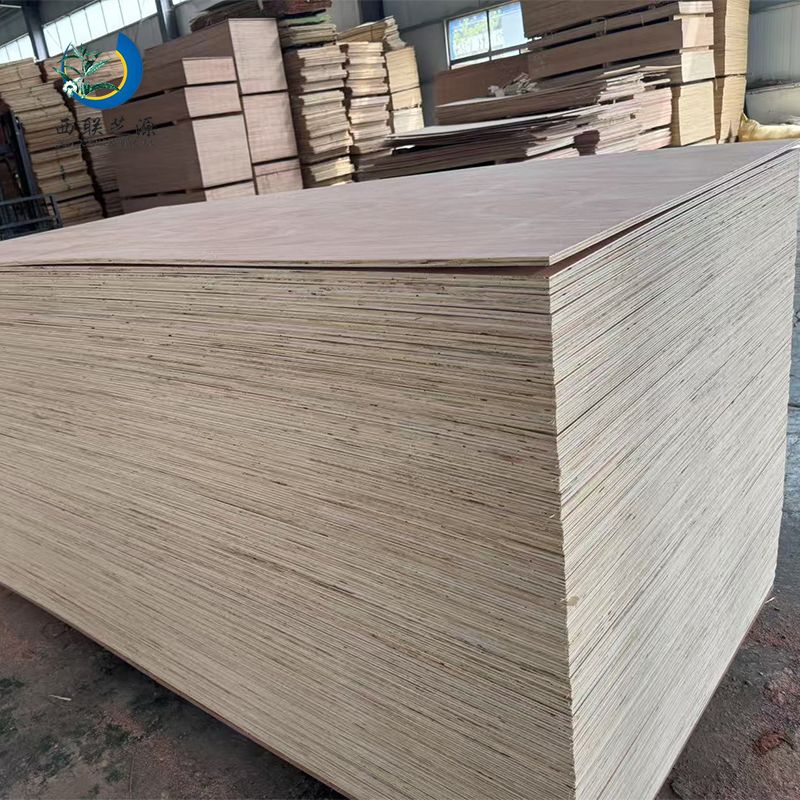
Commercial plywood has been tested to last over 30 years under normal conditions, with a high bending strength rating that surpasses traditional hardwood flooring.
Yes, when properly treated with marine-grade sealant, commercial plywood is suitable for areas with high humidity, such as kitchens and bathrooms.
Installation costs can vary, but typically range from $2 to $5 per square foot, significantly less than many solid hardwood alternatives.
For those looking to delve deeper into commercial plywood, consider exploring:
Comparative analysis of various plywood grades and their applications.
How environmental considerations impact the manufacturing of plywood.
The role of sustainable practices in the plywood industry.
In summary, commercial plywood stands out as a practical, efficient, and durable flooring option. For your needs, consider Western Union Zhiyuan as a reliable supplier offering a range of high-quality commercial plywood products. With their reliable service and expert assistance, you can ensure a durable flooring solution that meets both your functional and aesthetic requirements.
Previous: Better for Roof Insulation: Phenolic Insulation Board or XPS Board
Next: Wall Panels Company- Shenzhen Lupan Technology Co., Ltd
Copyright:@2020-2021

Comments Please sign in or sign up to post.
0
0 of 500 characters used