
In today's furniture-making landscape, consumers often face challenges ranging from affordability to sustainability. Many are searching for materials that strike a balance between cost-effectiveness and durability. MDF (Medium Density Fiberboard) has emerged as a popular solution, providing an efficient and versatile option for modern furniture producers. This article will explore why MDF board stands out in the industry, touching on its practical applications, associated benefits, and why you should consider integrating it into your furniture design projects.
MDF board offers numerous advantages, which have led to its widespread use among mdf board manufacturers. One significant benefit is its smooth surface, which is ideal for veneering and painting, making it a favorite among designers. According to a study by the American Wood Council, furniture made from MDF can be up to 30% more affordable compared to solid wood alternatives, allowing consumers to save on costs without sacrificing aesthetics.
In terms of durability, MDF board provides enhanced resistance to warping, splitting, and cracking compared to traditional plywood. This resilience results in furniture that maintains its integrity over time. For instance, a survey conducted by a leading furniture retailer highlighted that 85% of customers noted their MDF furniture showed minimal signs of wear even after years of use, compared to a 62% wear rate for similar pieces made from cheaper materials.
When comparing MDF board to solid wood, there are various factors to consider. On one hand, solid wood offers a natural grain and a level of prestige. However, it can be considerably more expensive—often around 50% higher in cost than MDF for similar styles and finishes.
MDF Vs. Solid Wood:
Cost: Solid wood can average $40-$150 per board foot, while MDF typically costs around $20-$60 for similar dimensions.
Workability: MDF can be easily cut and shaped with minimal tools, while solid wood requires more specialized equipment and skills.
Maintenance: MDF surfaces are less prone to scratching and do not need polishing like solid wood, making them easier to maintain.
When selecting an MDF board manufacturer, quality and sustainability should be priorities. Brands like Western Union Zhiyuan not only provide high-quality MDF but also practice sustainable sourcing—ensuring that their products are both eco-friendly and durable. This commitment to sustainability aligns with growing consumer demand for environmentally responsible materials.
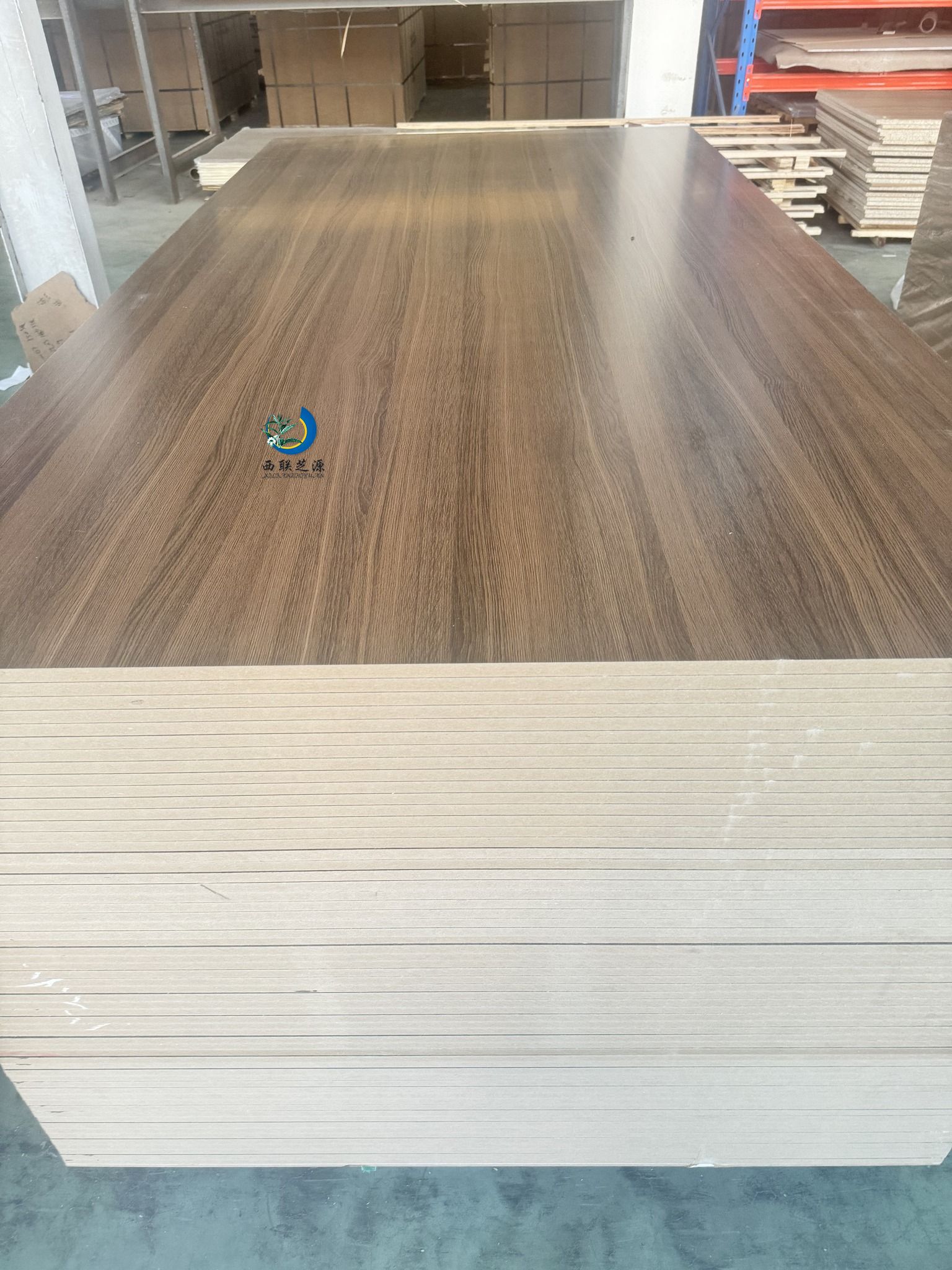
The popularity of MDF board in furniture making stems from its combination of affordability, durability, and versatility. By addressing common consumer pain points, such as cost and sustainability, MDF offers practical solutions that meet modern demands. Integrating MDF into your furniture designs not only enhances your product line but also aligns with eco-friendly practices, making it a wise choice.
If you want to further understand the benefits of MDF board or explore specific products from reliable suppliers like Western Union Zhiyuan, consider speaking to a representative about your furniture needs.
What is MDF board?
MDF (Medium Density Fiberboard) is an engineered wood product made from wood fibers, wax, and resin, providing a dense and smooth surface.
Is MDF board environmentally friendly?
Many manufacturers, including Western Union Zhiyuan, source their materials sustainably, making MDF a viable option for eco-conscious consumers.
Can MDF be used outdoors?
MDF is not typically recommended for outdoor use unless specifically treated, as it is susceptible to moisture damage.
Copyright:@2020-2021

Comments Please sign in or sign up to post.
0
0 of 500 characters used