
Urethane vs rubber dumbbells — for most gyms and serious lifters, urethane dumbbells offer the best balance of durability, maintenance, and long-term value over rubber. If you’re deciding between the two, urethane generally wins — especially for heavy use, frequent workouts, and long‑term investment.
Urethane dumbbells consist of a solid steel core with a urethane (polyurethane) outer coating. The coating is hard, non‑porous, resistant to scratches, chips, and environmental damage.
Rubber dumbbells typically have a metal or cast‑iron core covered with a layer of rubber. The rubber introduces impact absorption, a softer feel, and quieter impact when dropped — but also brings drawbacks such as odor, susceptibility to wear, cracking, or fading over time.
Durability, aesthetics, resistance to wear, and maintenance.
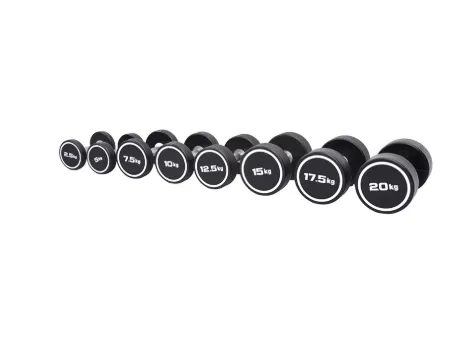
Resists cracking, chipping, fading, and surface damage even under heavy gym usage.
Finish stays smooth, odor-free, and clean for years.
Many high-end urethane sets come with warranties (often up to 5 years).
Perform reasonably well for moderate use, but may crack, fade, and emit odor over time.
May require partial replacement within 2–3 years in high-traffic gyms.
Deteriorates faster under UV light, moisture, heavy impact, or frequent drops.
Verdict on durability: urethane is more reliable for heavy use; rubber is acceptable for light or occasional use.
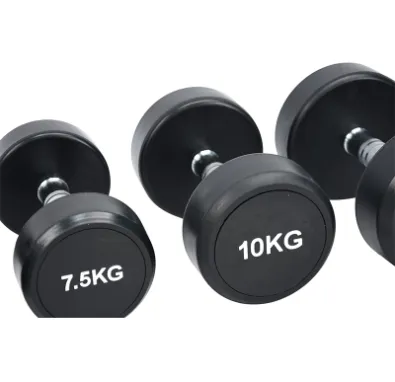
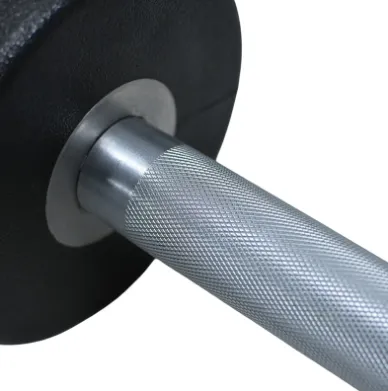
Urethane dumbbells often have high-quality knurled steel/chrome handles, giving a firm grip.
Rubber dumbbells provide a softer, grippier feel, reducing hand fatigue during light reps.
Urethane feels professional and clean; rubber offers comfort for light or rehab-style workouts.
Urethane resists absorbing sweat, dust, or moisture, easy to clean, odor-free.
Rubber dumbbells are quieter on impact and absorb shock — useful for home gyms.
Rubber may develop odor, crack, or discolor over time, needing careful maintenance.
Rubber dumbbells are typically 40% cheaper than urethane sets.
Urethane lasts longer, rarely needs replacement — making total cost over 5 years competitive.
Replacement estimates over 5 years: rubber ~30%, urethane ~10%.
Commercial gyms or high-traffic facilities.
Value cleanliness, aesthetics, hygiene, and longevity.
Want low-maintenance, odor-free equipment.
On a tight budget, building a home gym, or lifting occasionally.
Prioritize noise dampening and floor protection.
Prefer softer grip for light or moderate lifting.
Yifeng Urethane Dumbbells offer precision-engineered urethane coating for maximum durability and resistance to wear. They are polished, professional-looking, low-maintenance, odor-free, and ideal for both commercial gyms and premium home gyms.
| Material Type | Pros | Cons |
|---|---|---|
| Urethane | Excellent durability; scratch/chip/UV-resistant; odor-free; easy maintenance; long lifespan; premium look and feel | Higher upfront cost; slightly firmer/harder feel; impact may be noisier on drop than rubber |
| Rubber | Affordable; softer feel; good shock absorption; quieter impact; budget-friendly for home gyms | Prone to wear, cracking, odor; requires more maintenance; shorter lifespan; possible discoloration |

For commercial gyms or heavy, frequent use → choose urethane.
For budget-conscious home gyms or occasional lifting → rubber may suffice.
For home gyms in apartments or shared spaces → weigh noise reduction (rubber) vs cleanliness and longevity (urethane).
For long-term value and serious lifting → urethane is recommended.
When comparing urethane vs rubber dumbbells, urethane stands out as more robust, long-lasting, low-maintenance, and professional-grade — justifying its higher cost. For serious lifting, heavy use, or long-term value, urethane dumbbells like Yifeng provide superior experience and return on investment. Rubber dumbbells remain relevant for budget gyms, beginners, or those prioritizing noise reduction and lower upfront cost.
Previous: None.
Copyright:@2020-2021

Comments Please sign in or sign up to post.
0
0 of 500 characters used