
An automatic air release valve is a device designed to expel trapped air from pipelines. Air pockets within the pipes can lead to pressure fluctuations, inefficiencies, and even system damage if not released. The automatic nature of the valve allows it to operate without manual intervention, ensuring the system remains air-free for optimal performance.
These valves are primarily used in fire protection systems, irrigation systems, water supply networks, and various industrial applications. They help maintain the pressure within pipes, allowing for smoother fluid or water flow, which is critical for system efficiency.
When air is trapped in pipelines, several issues can arise:
Pressure Loss: Trapped air can cause pressure surges or drops, leading to inefficiencies and potential damage to the system.
Reduced Flow Efficiency: Air pockets obstruct fluid flow, leading to a decrease in the overall system performance.
Corrosion: When air mixes with water in pipelines, it can promote rusting and corrosion in metal pipes.
To mitigate these issues, automatic air release valves are used to expel the air and maintain a consistent flow of fluids.
An automatic air release valve functions by continuously monitoring the air within a pipeline. Here’s a step-by-step explanation of how it works:
The valve is installed at the highest points of the pipeline or at locations where air is likely to accumulate. As the fluid enters the pipe, air naturally rises to the top due to its lighter density. The valve is designed to detect the presence of this trapped air.
Once the valve detects air, it opens automatically. The mechanism behind this action is usually a buoyancy or pressure-sensitive mechanism that triggers the valve to open. When the air accumulates, the valve senses the pressure difference and opens the release port.
After opening, the valve allows the trapped air to escape from the pipeline, preventing the formation of air pockets. As the air is released, the system regains optimal pressure, and the fluid can flow smoothly through the pipeline.
Once the air is purged, the valve closes automatically. This is typically controlled by a spring-loaded mechanism or buoyancy that ensures the valve remains closed until the next occurrence of air accumulation.
The automatic operation of this valve ensures that it works seamlessly without needing human intervention. This is particularly important in fire protection systems, where air pockets can reduce water pressure and affect the effectiveness of firefighting equipment.
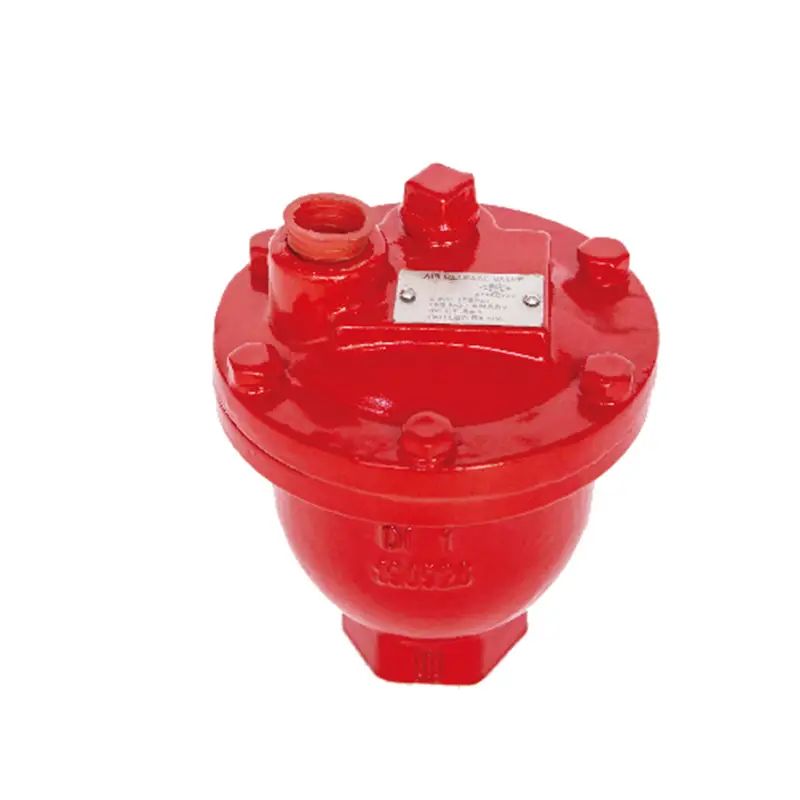
There are different types of automatic air release valves designed for various applications, including fire protection, water supply, and industrial systems. Here are some of the most common types:
Standard air release valves are typically used in general water supply systems. They release air during the filling and emptying of pipelines and are designed to prevent air accumulation at high points. These valves are typically compact and simple in design.
A combination air valve is a more sophisticated version that includes both air release and air vacuum functions. These valves are used in systems where air can accumulate at different points, and where it's necessary to control both air intake and release. This type of valve is particularly common in fire protection systems to ensure continuous pressure and flow.
As the name suggests, fire protection air release valves are specifically designed for use in fire protection systems. These valves help prevent air pockets from accumulating in the piping systems that supply water to sprinklers, hydrants, and other fire-fighting equipment. By releasing trapped air, they ensure that the system is always pressurized and ready to function when needed.
High-Pressure Resistance: Designed to handle high-pressure systems commonly found in fire protection.
Corrosion-Resistant Materials: Often made from materials that resist corrosion and damage from water, chemicals, or heat.
Quick Response Time: They ensure that air is released promptly to maintain system efficiency.
Using automatic air release valves in your pipeline or fire protection system comes with numerous advantages:
By releasing trapped air, these valves help maintain consistent pressure throughout the pipeline, preventing the formation of pressure surges that can damage components.
Air pockets disrupt the flow of fluids, reducing system efficiency. The automatic air release valve ensures that the flow remains smooth by continuously expelling air, leading to better performance and reduced downtime.
Because these valves operate automatically, they reduce the need for manual intervention. This lowers the maintenance requirements and the risk of human error, which can often lead to system failures.
By preventing pressure fluctuations and reducing the risk of corrosion, automatic air release valves can help extend the lifespan of your entire system. This makes them a valuable investment for long-term operation.
Automatic air release valves are used in various applications, each requiring different types of fluid control. Some common applications include:
In fire protection systems, the proper operation of water supply lines is critical for ensuring effective fire suppression. Automatic air release valves maintain optimal pressure and prevent air pockets that could cause the system to lose pressure.
In irrigation systems, air pockets can block water from reaching crops, reducing the system’s efficiency. Air release valves are used to prevent such blockages.
Water treatment plants use automatic air release valves to prevent air buildup in pipelines and maintain the flow of water, ensuring smooth and efficient operations.
Many industrial fluid systems use air release valves to ensure smooth flow through pumps and pipes, particularly in chemical processing, oil refineries, and manufacturing processes.
When selecting a supplier for automatic air release valves, it’s important to choose one that offers reliable and durable products. Quality matters, especially in critical systems like fire protection. A reputable supplier should offer valves made from high-quality materials that are designed to withstand harsh conditions, such as high pressure, heat, and exposure to chemicals.
At BoHai Valve, we specialize in manufacturing high-quality automatic air release valves designed for various applications, including fire protection systems. Our products are known for their durability, reliable performance, and long-lasting operation. Visit our website to explore our range of valves and get in touch with us to find the perfect solution for your system.
In conclusion, automatic air release valves are essential for maintaining the efficiency, safety, and longevity of pipeline systems. By understanding how they work, their benefits, and their applications, you can make an informed decision when choosing the right valve for your system. Whether you’re managing a water supply network, a fire protection system, or an industrial fluid system, these valves play a crucial role in ensuring optimal performance.
At BoHai Valve, we offer high-quality automatic air release valves designed to meet the needs of various industries. Visit our website today and learn more about how we can help improve the efficiency and reliability of your fluid systems.
Previous: None.
Copyright:@2020-2021

Comments Please sign in or sign up to post.
0
0 of 500 characters used