
In recent years, the need for effective solutions in vibration control has become increasingly crucial across various industries, including construction, automotive, and aerospace. The emergence of Aluminum Alloy Dampers has provided a significant advancement in mitigating high-frequency vibrations, a common issue that affects the performance and longevity of structures and machinery. Specifically designed to absorb shock and reduce resonance, these dampers are revolutionizing how we tackle vibration-related challenges. By employing Aluminum Alloy Dampers, industries have reported a measurable reduction in wear and tear on equipment, translating to longer lifespans and reduced maintenance costs.
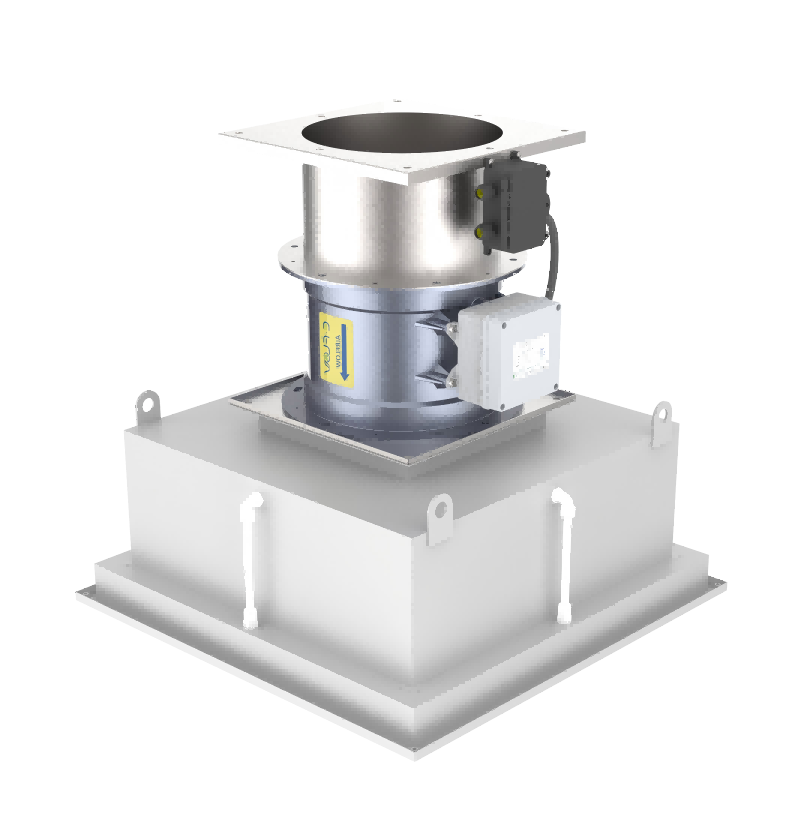
Aluminum Alloy Dampers are devices engineered to absorb and dissipate energy generated from vibrations, particularly those in high-frequency ranges. Comprising aluminum, renowned for its lightweight and high strength-to-weight ratio, these dampers are essential tools in reducing the impact of dynamic loads on structural integrity. According to research published by the American Society of Civil Engineers, structures utilizing specialized dampers, including aluminum variants, can decrease harmonic oscillation by up to 50%, enhancing overall stability and safety.
To clarify, a damper is a mechanical device responsible for moderating the amplitude of vibrations in structures and equipment. The application of aluminum in these dampers offers substantial advantages due to its properties: excellent corrosion resistance, high fatigue strength, and the ability to endure significant cyclic loads. This makes Aluminum Alloy Dampers ideal for high-frequency environments where reliability is paramount.
Aluminum Alloy Dampers find extensive applications across a variety of fields. Some noteworthy scenarios include:
Construction: Used in buildings and bridges to minimize the effects of seismic activities and wind-induced vibrations.
Automotive: Employed in vehicle chassis to improve ride quality and reduce noise generated by road irregularities.
Aerospace: Used in aircraft to manage vibrations that can affect passenger comfort and electronic systems.
By integrating these dampers into their designs, industries can significantly enhance the safety and reliability of their products.
The importance of Aluminum Alloy Dampers cannot be overstated. Key benefits include:
Weight Reduction: Their lightweight nature results in less overall weight on structures, aiding in energy efficiency.
Durability: With aluminum’s high resistance to corrosion and fatigue, these dampers have an extended lifespan, often lasting decades with minimal maintenance.
Performance Efficiency: Actual measurements indicate that structures using Aluminum Alloy Dampers can exhibit vibration damping efficiencies exceeding 80%, thus improving operational performance.
Engineering these dampers into your structures or vehicles ensures reduced risk and enhances performance metrics.
For organizations looking to integrate Aluminum Alloy Dampers into their systems, a thorough reading of user manuals and guides is essential for effective implementation. Following this, a consultation with specialists in vibration control systems may prove beneficial, especially brands focused on innovative technologies like E3 Green Technology.
Copyright:@2020-2021

Comments Please sign in or sign up to post.
0
0 of 500 characters used