
Asphalt is a hard, tough material, and cutting it with a standard circular saw blade can quickly dull the blade, reduce cutting efficiency, and even cause the saw to overheat. To achieve clean, efficient cuts, an asphalt cutting blade for circular saw is necessary, as it is designed to handle the unique properties of asphalt, such as its high density and stone aggregates.
Durability: Asphalt contains heavy aggregates and stones, which can easily damage standard blades.
Efficiency: Specialized blades are designed for smooth, clean cuts with minimal wear on the saw.
Safety: Proper blades reduce the risk of overheating and other safety hazards during operation.
When selecting the best asphalt cutting blade for circular saw, it’s important to understand the different types of blades available. The two main types of saw blades used for asphalt are diamond blades and carbide-tipped blades. Both are suitable for asphalt cutting, but each offers distinct benefits and is suited for different situations.
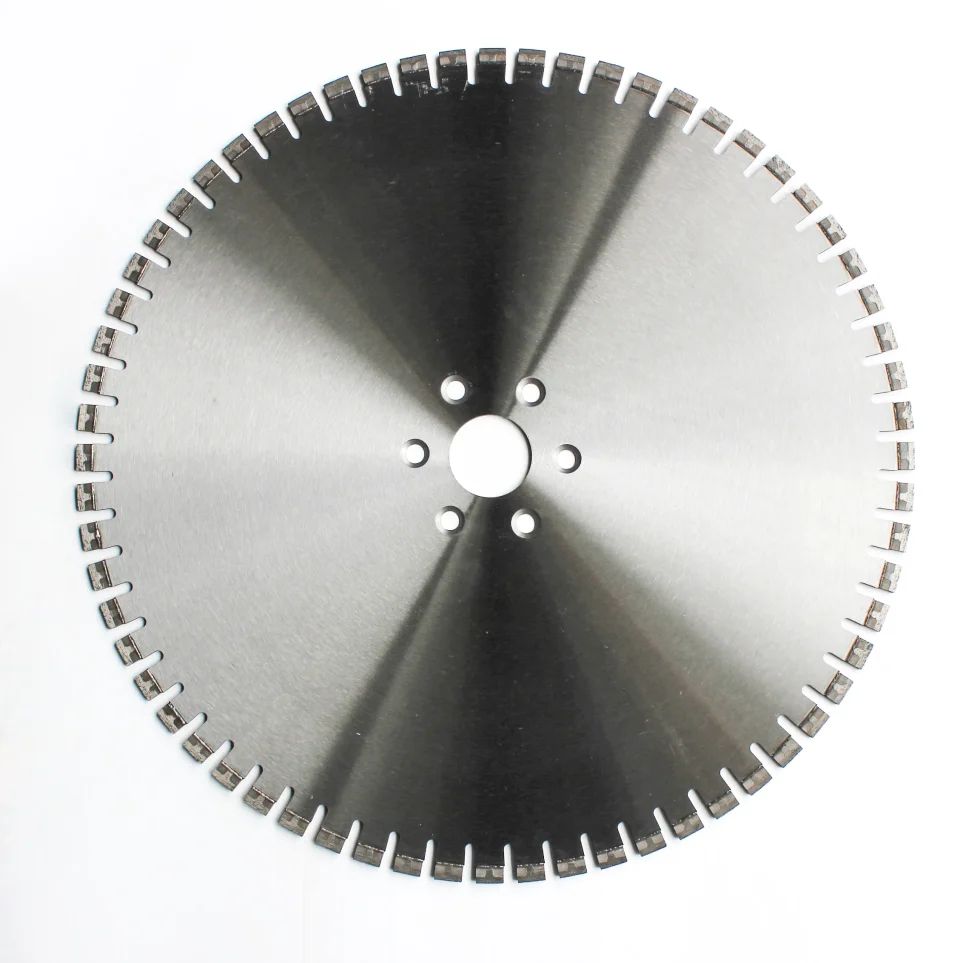
Diamond blades are the most commonly used type of blade for cutting asphalt. These blades are embedded with high-quality synthetic diamond particles, which are incredibly hard and effective at cutting through tough materials like asphalt.
Longevity: Diamond blades have a much longer lifespan than traditional carbide-tipped blades, making them a more cost-effective choice in the long term.
Cutting Efficiency: The diamond particles on the blade’s edge provide superior cutting power and precision, ensuring a smooth, clean cut through asphalt.
Versatility: Diamond blades can cut through various materials, including concrete, asphalt, and stone, making them a versatile option for multiple projects.
Ideal for cutting through dense asphalt with a mix of stone aggregates.
Suitable for both wet cutting and dry cutting depending on the type of diamond blade chosen.
Carbide-tipped blades are another option for cutting asphalt. These blades are fitted with carbide tips along the edge, which are harder than steel but not as durable as diamonds. Carbide-tipped blades are more affordable than diamond blades but may not last as long when cutting tough materials like asphalt.
Affordable: Carbide-tipped blades are often less expensive upfront, making them an attractive option for short-term projects.
Good for Light Use: These blades work well for less demanding tasks or for cutting softer asphalt mixes that don’t contain a lot of heavy stone.
Limited Durability: While they are durable, carbide-tipped blades will wear down faster when used on tougher materials like asphalt.
Ideal for lighter, less intensive cutting tasks.
Better suited for asphalt with fewer aggregates or in small-scale DIY projects.
Choosing the right asphalt cutting blade for circular saw also depends on the size of the blade and your specific needs. Circular saw blades come in various sizes, and the blade size you need will depend on the type of saw you’re using and the depth of cut required.
The most common sizes for circular saw blades are between 4 inches and 14 inches, but the most common sizes for cutting asphalt are typically between 7 inches and 12 inches. The size of the blade should match the size of your saw and the depth of cut you need.
Larger Blades: Larger blades (10 inches or more) are better for deeper cuts.
Smaller Blades: Smaller blades are more suitable for shallow cuts and precision work.
The arbor size of the blade must match the arbor size of your circular saw. Most saws use a standard 1-inch arbor, but some heavy-duty saws may require blades with larger arbor sizes.
Segmented blades have gaps between the segments, which allow for efficient heat dissipation and faster cutting. These blades are typically better suited for tougher materials like asphalt. Continuous rim blades, on the other hand, have a solid edge, offering smoother cuts but may not be as efficient for tougher materials.
While diamond blades can be used for both wet and dry cutting, it’s important to choose the right blade depending on your project. Wet cutting helps reduce dust and cools the blade during the cutting process, which extends the blade's life. Dry cutting is faster and more efficient but may lead to more dust and heat buildup.
Using the correct cutting technique is just as important as using the right blade. Here are some key tips for making sure your cuts are precise and efficient when using a circular saw to cut asphalt.
Before you start cutting, mark a clear and accurate cut line on the asphalt surface using chalk or a marking pen. A straightedge can help you keep the cut line straight for a professional-looking result.
Adjust the depth of the blade to ensure that you cut through the asphalt completely without going too deep and damaging the underlying surface. The blade should be set to cut just slightly deeper than the thickness of the asphalt.
Start the saw at a slow speed to prevent any initial chipping. Once you’re through the surface layer, gradually increase the speed to maintain a steady cut. Applying steady, even pressure is key to minimizing the chance of chipping or damaging the surface.
If you are using a wet cutting diamond blade, ensure that water is continuously applied to the cutting area. Water helps cool the blade, reduce dust, and maintain the integrity of the asphalt.
Cutting asphalt can generate significant heat, so take breaks during longer cuts to prevent overheating the blade or saw. Allow the saw to cool down before continuing.
Cutting asphalt can be hazardous if proper safety measures are not followed. Here are some safety tips to ensure that you complete your project without injury:
Always wear safety goggles, ear protection, and heavy-duty gloves when cutting asphalt. The process generates dust, flying debris, and loud noise that can be harmful without proper protection.
Ensure that you’re working in a well-ventilated area or using a wet cutting method to reduce exposure to harmful dust.
A cluttered work area can be a safety hazard. Ensure that your work area is clear of debris and that all tools are securely in place before beginning.
Choosing the right asphalt cutting blade for circular saw is essential for achieving efficient, clean, and safe cuts. Whether you opt for a diamond blade for heavy-duty cutting or a carbide-tipped blade for lighter tasks, selecting the right blade ensures the job is done right. By following the best practices for cutting asphalt and adhering to safety guidelines, you can complete your project with ease and precision.
For a wide selection of high-quality cutting blades for your circular saw, visit Diamond Blade, where we offer a variety of products suited for both professional and DIY projects.
Copyright:@2020-2021

Comments Please sign in or sign up to post.
0
0 of 500 characters used