
Winter tires — also known as snow tires — play a vital role in ensuring safe driving in regions where cold, harsh weather makes roads slippery and hazardous. Specifically engineered to deliver reliable traction in freezing temperatures, these seasonal tires are not intended for year-round use. As a general rule, when ambient temperatures consistently drop to around 45°F, it’s time to consider switching to winter tires for optimal safety and performance.
Important: Always check your vehicle manufacturer’s guidelines for tire replacement specifications and follow their recommendations before changing your tires.
As a general guideline, summer and all-season tires begin to lose effectiveness when temperatures consistently drop below 45°F (7°C). That’s the point when winter tires, specifically designed for cold-weather traction, should be installed to maintain safe handling and braking performance.
It’s also worth noting that your daily driving schedule matters. Since temperatures tend to be coldest in the early morning, commuters should pay particular attention to overnight and early morning lows rather than just afternoon highs when deciding the right time to make the switch.
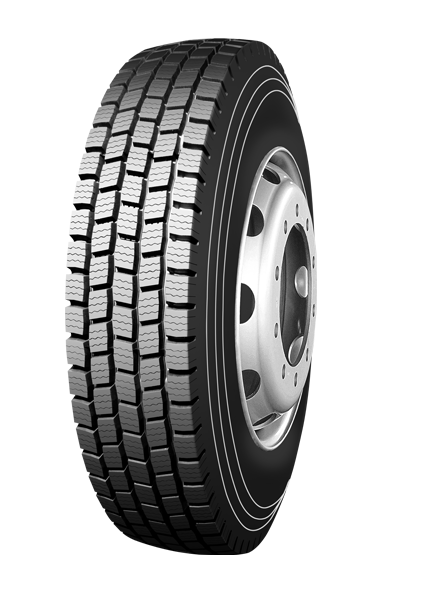
Winter tires are specially engineered to deliver optimal performance in cold weather. As temperatures drop, summer tires tend to harden and lose flexibility, which reduces their grip on icy or snowy roads — making winter driving less safe.
On the other hand, summer tires are designed for warm, dry conditions. Their tread patterns feature shallower grooves and stiffer compounds, providing better handling on hot pavement. The rubber in summer tires is formulated to resist heat, while the rubber compound in winter tires remains pliable in freezing temperatures for improved traction.
For drivers who want dependable, cold-weather performance, LONGMARCH winter tires offer excellent grip and control in snow, slush, and icy conditions, ensuring a safer, smoother ride when it matters most.
Winter tires are specially crafted with rubber compounds that stay soft and flexible in cold weather, maintaining better grip when temperatures drop. Unlike regular tires, they feature deeper tread patterns and added sipes — tiny grooves that help channel snow, slush, and water away from the contact patch, enhancing traction on slippery winter roads.
That deep tread design allows the tire to dig into snow and ice, giving drivers added confidence and control in harsh conditions.
It’s also essential to remember that winter tires should always be installed as a complete set of four. Mixing tires with different levels of grip can disrupt your vehicle’s balance and handling, increasing the risk of losing control — especially on slick, icy roads.
For dependable winter performance you can trust, LONGMARCH winter tires deliver the traction, stability, and safety your vehicle needs in challenging cold-weather driving.
Copyright:@2020-2021

Comments Please sign in or sign up to post.
0
0 of 500 characters used