
The answer is straightforward.
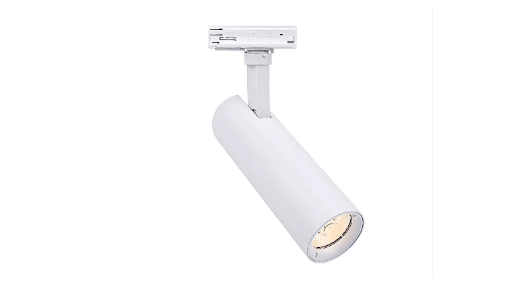
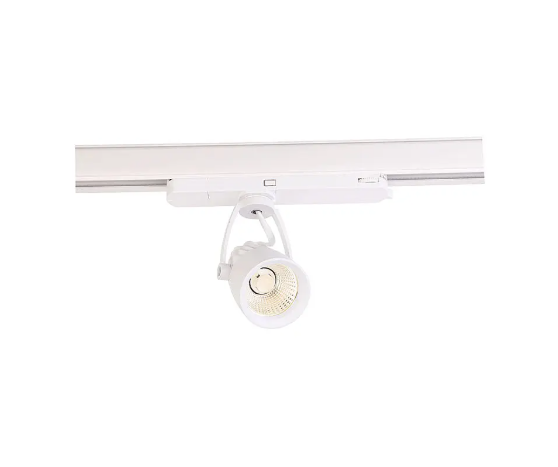
A track light works through a powered rail system that supplies electricity directly to movable fixtures.
Instead of fixed wiring, the lamp connects through conductive contacts inside the track adapter.
When the fixture locks into position, electrical contact activates automatically.
This movable structure allows lights to slide, rotate, and reposition freely without rewiring ceilings.
A standard track lighting system contains several coordinated parts:
Electrified track rail
Adapter connection head
Lamp housing
LED module or bulb
Heat dissipation body
Each component supports stable lighting output and easy maintenance access.
Track lighting systems provide:
Flexible positioning
Directional illumination
Easy bulb replacement
Modern interior appearance
These features explain their popularity in residential and commercial environments.
The direct answer is safety comes first.
Always disconnect electrical power before touching any fixture.
Track systems maintain continuous voltage across the rail.
Even inactive lamps may still carry current.
Allow several minutes for cooling before handling the lamp body.
Before starting replacement:
Turn off circuit breaker
Confirm power shutdown
Prepare stable ladder
Hold fixture securely
Safe handling prevents injury and protects electrical components.
Correct preparation avoids:
Electrical shock risk
Connector damage
Adapter overheating
Installation failure
Careful preparation ensures smooth replacement.
The key step involves removing the lamp head correctly.
Most track lights detach through rotation rather than pulling force.
The adapter releases once alignment reaches the unlock position.
Follow this process carefully:
Support lamp body
Rotate adapter slowly
Align release position
Pull fixture downward
Gentle handling preserves internal contacts.
Avoid twisting wires or forcing movement.
Controlled motion protects conductive parts inside the adapter.
Correct bulb selection determines lighting performance.
Track fixtures may contain replaceable bulbs or integrated LED engines.
Identifying socket type prevents installation problems.
Typical lighting heads use:
Twist-lock spotlight bulbs
Pin-base reflector lamps
Integrated LED modules
Always match voltage and base structure.
Proper bulb matching provides:
Stable brightness output
Longer operating life
Efficient energy use
Reduced heat generation
Compatibility protects driver circuits.
The direct solution involves secure locking.
Insert the new bulb according to socket design.
Ensure alignment before applying rotation or pressure.
Standard installation includes:
Remove old bulb
Check socket condition
Insert replacement lamp
Lock bulb firmly
Correct seating restores electrical flow instantly.
Proper installation ensures:
Stable lighting output
Flicker prevention
Reliable contact
Safe operation
Accurate fitting improves performance consistency.
Reinstallation completes the process.
Insert the adapter back into the track slot and rotate until locked.
You should feel resistance during final positioning.
Successful installation shows:
Firm fixture position
Straight alignment
No loose movement
Immediate illumination
Secure connection guarantees safe electrical transfer.
The answer is simple adjustment improves results.
Track lights allow directional control after installation.
Users can rotate or tilt fixtures freely.
Position lighting for:
Cooking surfaces
Artwork display
Workspace illumination
Accent lighting zones
Flexible aiming enhances visual comfort.
Modern homes often rely on track lighting in kitchen areas because adjustable beams eliminate shadows on worktops.
Replacement also offers design improvement opportunities.
Track systems support interchangeable lighting accessories.
Installing pendants for track lighting creates layered illumination while maintaining track flexibility.
Advantages include:
Dining area focus lighting
Decorative ceiling effect
Adjustable placement
Easy future upgrades
Users enhance interior style without rewiring.
If the lamp fails to work, simple checks usually solve the issue.
Check for:
Loose adapter connection
Incorrect bulb type
Misaligned contacts
Power supply interruption
Most problems result from positioning errors.
Rotate fixture again.
Confirm bulb compatibility.
Inspect track orientation.
Minor adjustments often restore operation immediately.
Regular care keeps lighting reliable.
Dust accumulation reduces heat dissipation efficiency over time.
Cleaning fixtures improves brightness stability.
Maintain system performance by:
Cleaning lamp housing
Checking connectors
Inspecting track contacts
Replacing aging bulbs
Preventive maintenance extends lifespan.
Routine care delivers:
Stable illumination
Reduced repair cost
Improved efficiency
Extended service life
Well-maintained systems operate consistently for years.
Modern lighting solutions combine efficiency and flexibility.
LED track fixtures provide strong illumination with low energy consumption.
Adjustable modules allow lighting redesign without structural changes.
Users benefit from:
Energy savings
Reduced heat output
Modern appearance
Flexible configuration
These advantages support residential and commercial applications alike.
Avoiding errors ensures successful maintenance.
Typical problems include:
Replacing bulbs under power
Using incompatible lamps
Forcing adapter rotation
Ignoring voltage ratings
Correct procedures prevent equipment damage.
Lighting technology continues advancing.
New systems emphasize modular design and intelligent control.
Magnetic tracks and smart dimming features improve usability.
Flexible lighting solutions allow easy expansion as interior needs change.
Changing a track light bulb becomes simple once the fixture structure and locking system are understood.
Power shutdown, correct bulb selection, and secure installation ensure safe and reliable results.
Modern track lighting provides adaptable illumination suitable for kitchens, living spaces, and commercial environments.
Previous: None.
Copyright:@2020-2021

Comments Please sign in or sign up to post.
0
0 of 500 characters used