
Lithium chloride manufacturers are essential in the chemical industry. They produce compounds that have impressive thermal stability and corrosion resistance. These properties are vital for various applications, including battery production and moisture control. Many industries rely on lithium compounds to enhance performance and durability. The challenge lies in choosing the right compounds for specific needs. As the demand for efficient materials continues to grow, understanding the strengths of lithium compounds becomes increasingly important.
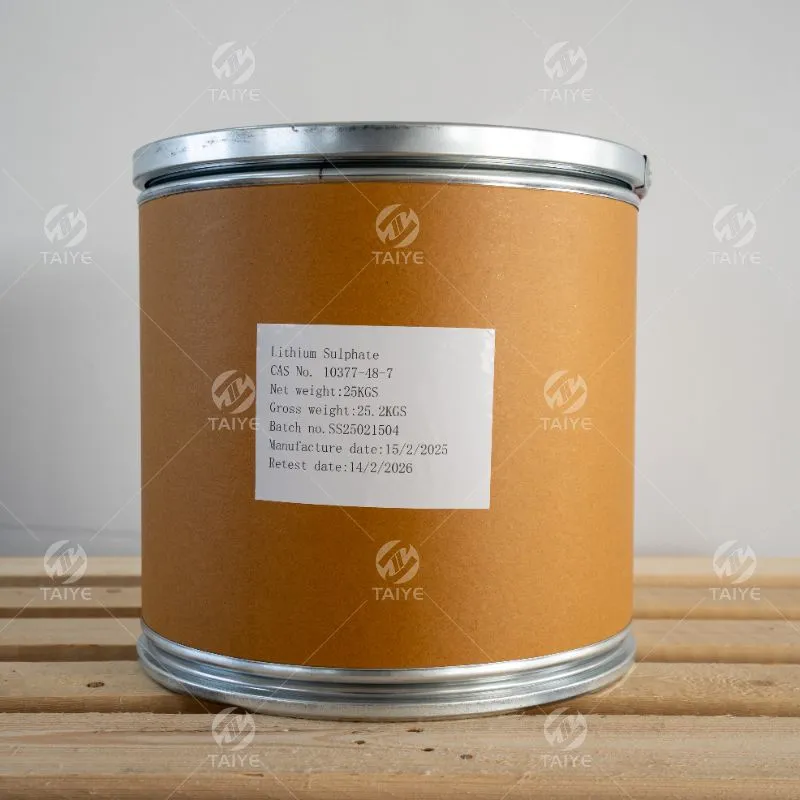
The core strengths of modern lithium compounds include their excellent thermal stability and corrosion resistance, making them ideal for various industrial applications.
Lithium compounds are known for their high thermal stability. They can withstand a wide range of temperatures without breaking down. This makes them suitable for applications that involve heat.
These compounds show strong resistance to corrosion. This property extends their lifespan in harsh environments. Manufacturers prefer using lithium compounds in applications where exposure to moisture is common.
Lithium chloride is used in many industries. From batteries to refrigeration systems, its applications are wide-ranging. This versatility helps meet various industrial needs.
Using lithium compounds can improve the overall performance of products. For example, lithium batteries have better energy density and longer lifespans.
While some lithium compounds can be expensive, their long-term benefits often outweigh initial costs. Fewer replacements and repairs lead to savings over time.
Modern manufacturers are increasingly focusing on eco-friendly lithium compounds. These alternatives provide similar thermal stability and corrosion resistance without harming the environment.
Thermal stability and corrosion resistance are the core strengths of modern lithium compounds. As industries seek durable and efficient materials, lithium chloride manufacturers play a critical role. By understanding these properties, businesses can make informed decisions and harness the full potential of lithium compounds in their applications.
Previous: None.
Next: Hydrogen Gas Applications: Industrial Uses, Market Trends and Reliable Supply Solutions
Copyright:@2020-2021

Comments Please sign in or sign up to post.
0
0 of 500 characters used