
Polycarbonate (PC) is a high-performance engineering thermoplastic known for its exceptional impact resistance, optical clarity, and dimensional stability. Because it combines strength, heat resistance, and lightweight characteristics, polycarbonate material is widely used in industries ranging from construction and electronics to automotive and medical manufacturing.
In global trade, polycarbonate is valued as a premium alternative to glass, acrylic, and certain metals where durability and safety are critical.
Polycarbonate is a polymer containing carbonate groups (–O–(C=O)–O–) in its molecular backbone. The most common commercial type is derived from bisphenol A (BPA).
This structure provides:
high toughness
strong heat resistance
excellent transparency
good electrical insulation properties
Polycarbonate is often described as virtually unbreakable. It can withstand heavy mechanical stress without cracking, making it ideal for protective and safety applications.
With light transmission up to ~88–90%, it is frequently used where visibility is essential, such as glazing or lenses.
Typical continuous service temperature:
-40°C to 120°C (varies by grade)
Roughly half the weight of glass, reducing transportation and installation costs.
Many PC grades meet international fire safety standards without additional additives.
Suitable for:
injection molding
extrusion
thermoforming
CNC machining
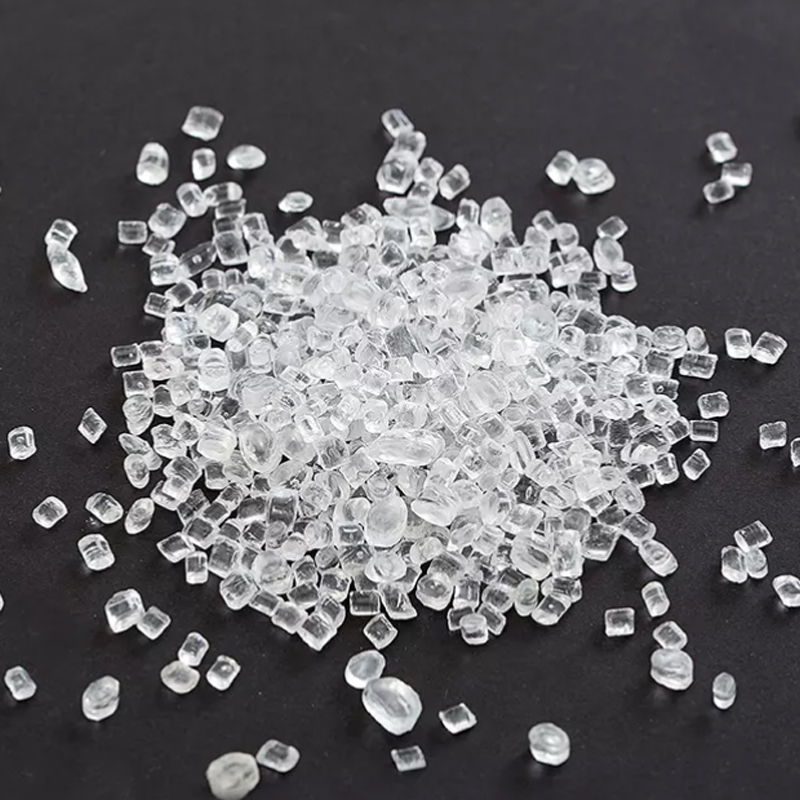
Clear, extremely strong, often used as a glass substitute.
Lightweight panels with insulation properties, popular in roofing and greenhouses.
Enhanced rigidity and dimensional stability.
Designed for outdoor or electrical applications.
skylights
roofing panels
safety glazing
sound barriers
headlamp lenses
interior components
instrument panels
connectors
housings
switchgear
riot shields
machine guards
bullet-resistant laminates
device housings
reusable containers
optical discs
This is one of the most searched comparisons.
| Property | Polycarbonate | Acrylic |
| Impact resistance | Much higher | Lower |
| Scratch resistance | Lower | Better |
| Cost | Higher | Lower |
| Heat resistance | Better | Moderate |
✔ extremely durable
✔ transparent like glass
✔ heat resistant
✔ lightweight
✔ good electrical insulation
✔ long service life
No material is perfect. Buyers should also note:
surface can scratch without coating
higher price than commodity plastics
may require UV protection for outdoor longevity
Manufacturers and contractors prefer polycarbonate because it reduces breakage risk, lowers maintenance cost, and improves safety compliance. Its balance between mechanical strength and processing flexibility makes it a go-to material for demanding environments. Contact us!
Previous: None.
Next: Hydrogen Gas Applications: Industrial Uses, Market Trends and Reliable Supply Solutions
Copyright:@2020-2021

Comments Please sign in or sign up to post.
0
0 of 500 characters used