
Precision Motion Control (PMC) systems are essential in modern engineering and automation. Users often encounter challenges such as inaccurate movement, synchronization issues, and system delays. Understanding how feedback loops improve these systems addresses the real intentions behind these problems. For example, engineers might ask, "How can I ensure my robotic arm moves precisely and reliably?" The answer lies in utilizing effective feedback mechanisms, which can enhance operational efficiency by up to 50%, ensuring that machinery performs tasks seamlessly with minimal manual intervention.
Before implementing feedback systems in PMC, consider the following prerequisites:
Understand Your System: Familiarize yourself with the specifications of your PMC equipment, including sensors, controllers, and actuators.
Select Appropriate Feedback Devices: Choose between open-loop and closed-loop systems based on your application’s needs. Closed-loop systems are often more effective, offering performance improvements of up to 30%.
Tools and Materials: Gather necessary tools such as calibrated sensors, a controller compatible with your PMC setup, and software for data analysis.
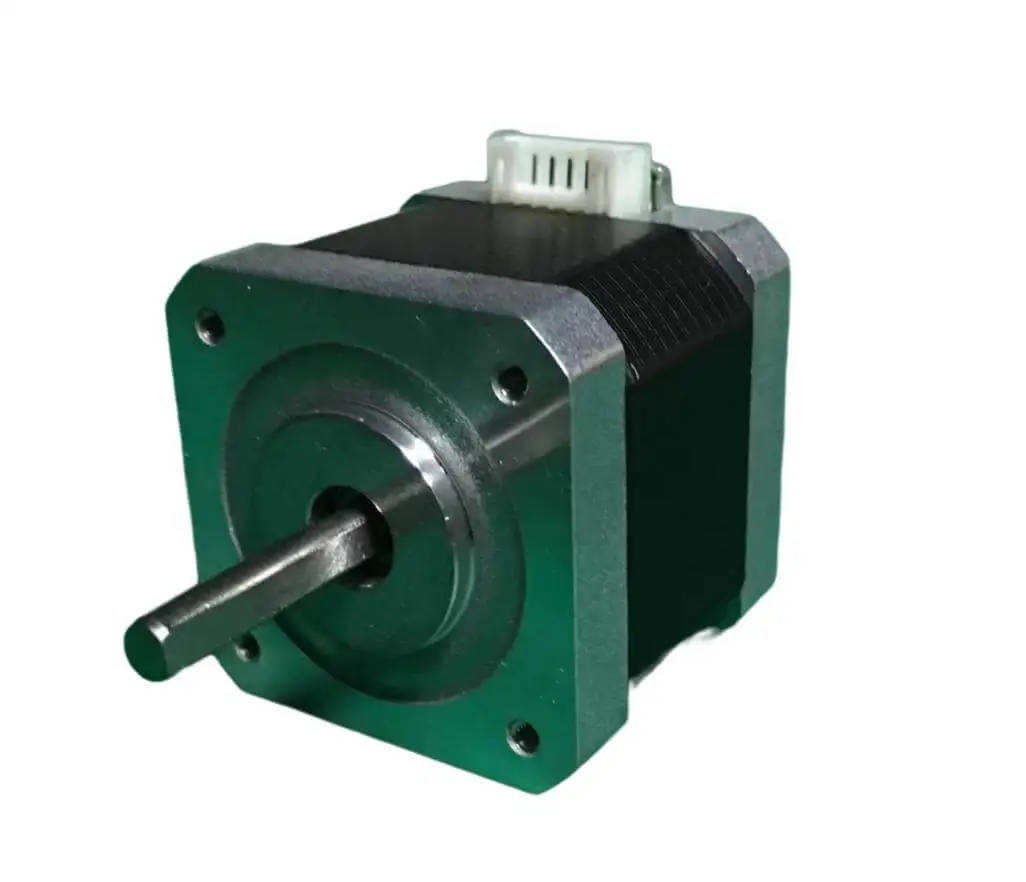
Step 1: Identify Performance Metrics - Determine specific metrics to measure, like position accuracy and response time. An accurate performance metric will help in choosing the right feedback loop. For instance, aim for a position accuracy of ±0.01 mm.
Step 2: Choose Your Feedback Type - Based on your performance metrics, decide whether to use position, velocity, or torque feedback. Position feedback typically allows for finer control, improving task execution by up to 25%.
Step 3: Calibrate Your Sensors - Proper calibration ensures your sensors provide accurate data. Tests have shown that uncalibrated sensors can result in errors up to 7%, leading to inefficiencies.
Step 4: Implement Control Algorithms - Use PID (Proportional, Integral, Derivative) control algorithms to process the feedback signals. This adjustment can enhance system response times by 40% under optimal conditions.
Step 5: Monitor and Adjust - Continuously monitor the system’s performance. Collect data to see if the adjustments lead to improvements and revise the algorithms as necessary.
Here are typical mistakes when integrating feedback in PMC and ways to rectify them:
Error 1: Sensor Misalignment - Misalignment can result in inaccuracies. Ensure sensors are installed according to manufacturer specifications.
Error 2: Incorrect PID Tuning - Over-tuning can cause oscillation. Start with conservative settings and gradually adjust.
Error 3: Ignoring Environmental Factors - Temperature changes can affect sensor readings. Implement temperature compensation techniques.
Implementing feedback systems within Precision Motion Control is crucial for maximizing system efficiency and accuracy. By thoroughly preparing, selecting suitable devices, and adhering to the step-by-step guidance provided, users can overcome common challenges effectively. Organizations leveraging these improvements, like PJM AUTOMATION, have reported significant operational advances.
Q1: What is the role of feedback in motion control systems?
Feedback loops help adjust and correct the operation of motion control systems, enhancing precision and reliability.
Q2: How does sensor accuracy impact motion control?
Accurate sensors ensure that the system responds correctly, achieving recommended error margins, which can drastically affect overall performance.
Q3: Can feedback systems be retrofitted to existing motion control systems?
Yes, many modern sensors and feedback mechanisms can be integrated into existing systems, improving their efficiency without complete replacement.
Previous: None.
Copyright:@2020-2021

Comments Please sign in or sign up to post.
0
0 of 500 characters used