
Ferrous sulfate plays a vital role as a key raw material in Li-ion battery production. The increasing demand for lithium-ion batteries raises questions about the materials required for their development. Ferrous sulfate is not only essential for battery performance but also offers a cost-effective solution. With the rise of electric vehicles and renewable energy storage, understanding its significance is critical.
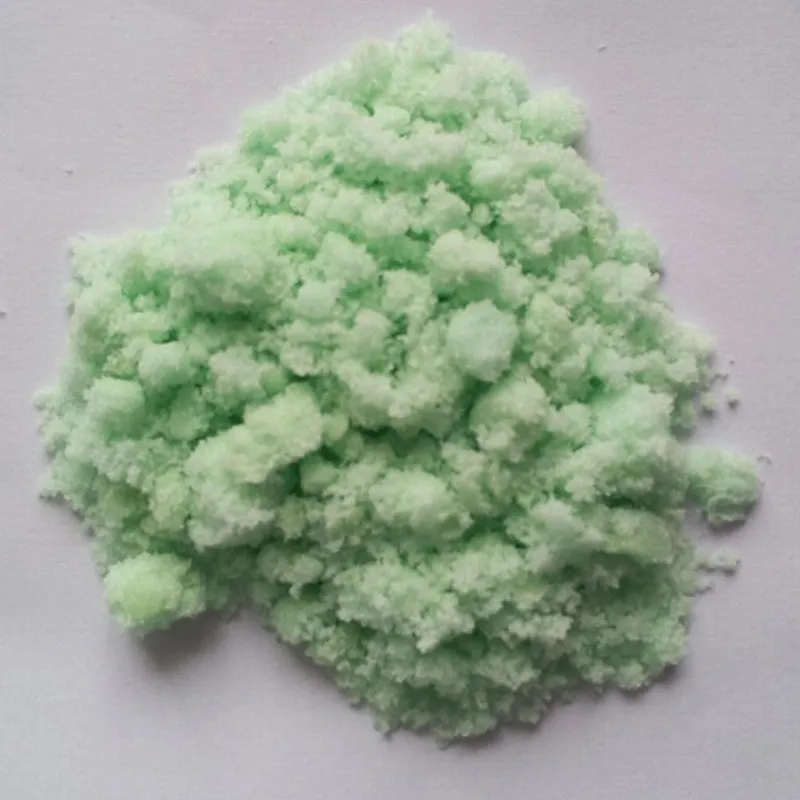
Ferrous sulfate is crucial in lithium-ion battery production due to its role in cathode material and overall battery efficiency.
Ferrous sulfate helps increase the energy density of lithium-ion batteries. This means the batteries can store more energy, providing longer usage times. Studies show that batteries using ferrous sulfate exhibit a better performance range.
With ferrous sulfate, lithium-ion batteries become safer. This material reduces heat generation during charging and discharging, which lowers the risk of overheating. A safer battery equals greater consumer trust and less risk of incidents.
Ferrous sulfate is one of the more affordable options for battery manufacturers. This reduction in material costs can lead to a decrease in the overall price of lithium-ion batteries for consumers, promoting wider adoption.
Ferrous sulfate provides iron, a key component in some cathode materials. This iron plays a key role in the chemical reactions within the battery that generate power.
The flow chart below outlines the processing steps when integrating ferrous sulfate into battery production:
| Step | Description |
|---|---|
| 1 | Acquiring Ferrous Sulfate |
| 2 | Mixing with Other Materials |
| 3 | Forming Cathode Material |
| 4 | Assembling Battery Cells |
| 5 | Quality Control and Testing |
The addition of ferrous sulfate improves the overall quality of lithium-ion batteries. Companies report that using this material results in fewer defects and enhanced performance metrics.
Ferrous sulfate is often produced as a byproduct of metal recycling processes. This makes it a more environmentally friendly option compared to other raw materials.
Utilizing ferrous sulfate in battery production helps reduce waste. The recycling of metals contributes to a circular economy, minimizing ecological footprints.
In summary, ferrous sulfate serves as a key raw material in lithium-ion battery production. Its benefits include increased energy density, enhanced safety, and cost-effectiveness. As battery technology continues to evolve, the importance of ferrous sulfate only grows. Understanding its role can help stakeholders make informed decisions in the industry.
Ferrous sulfate is a compound often used in various industrial applications, including lithium-ion battery production.
It increases energy density, improves safety, and reduces costs.
Yes, but ferrous sulfate remains one of the most effective and economical choices.
Ferrous sulfate can be sourced sustainably, reducing environmental impact.
Yes, when handled properly, ferrous sulfate is considered safe for production uses.
Yes, using ferrous sulfate typically results in better performance metrics for lithium-ion batteries.
Previous: None.
Next: None.
Copyright:@2020-2021

Comments Please sign in or sign up to post.
0
0 of 500 characters used