
Chromium sputtering targets are key materials used in various deposition processes to create thin films on different substrates. These targets are essential for achieving high-quality coatings in numerous industrial applications. Their ability to enhance surface properties makes them invaluable in modern manufacturing and technology.
Physical and Chemical Properties of Chromium
Chromium (Cr) is a hard, lustrous, and corrosion-resistant metal. Its high melting point and ability to form a stable oxide layer make it ideal for many thin-film applications.
Why Chromium is Ideal for Thin Film Coating
Its excellent adhesion, high reflectivity, and resistance to wear and corrosion make chromium a go-to material for creating long-lasting, high-performance coatings.
The Sputtering Process in a Nutshell
In a vacuum chamber, the chromium target is bombarded with ions (often argon). This knocks atoms loose, which then travel and deposit on a substrate—like glass, silicon wafers, or metal tools.
Magnetron Sputtering Explained
One of the most popular techniques, magnetron sputtering uses magnets to trap electrons close to the target surface, making the ion bombardment more efficient and creating high-quality films.
Role of Sputtering Targets in Film Deposition
Think of sputtering targets as the "ink" in a high-precision printer. Without them, you can’t build layers in electronics or protect surfaces from wear and tear.
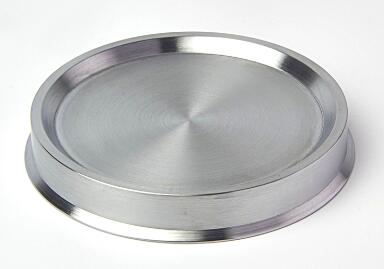
One prominent application of chromium sputtering targets is in the production of automotive glass coatings. Specifically, these targets are used to prepare rearview mirrors that require reflective surfaces. By sputtering chromium onto the glass, manufacturers can achieve a durable, reflective layer that enhances visibility and safety while driving. This application not only improves the functionality of mirrors but also adds a sleek appearance to vehicles.
In the realm of renewable energy, chromium sputtering targets play a crucial role in the fabrication of photovoltaic cells. These cells are responsible for converting sunlight into electricity. By using chromium in the sputtering process, manufacturers can create thin, conductive layers that optimize the efficiency of solar panels. The durability and corrosion resistance provided by chromium contribute to the longevity and performance of these vital energy sources.
Chromium sputtering targets are also utilized in the fabrication of batteries, particularly in enhancing the performance of lithium-ion batteries. The sputtering process helps create conductive coatings that improve the overall efficiency of energy storage systems. As the demand for advanced batteries grows, the role of chromium sputtering targets in this industry becomes increasingly significant, enabling the production of more reliable and efficient energy solutions.
Beyond functional applications, chromium sputtering targets are widely used to create decorative and corrosion-resistant coatings. These coatings not only provide aesthetic value but also protect underlying materials from environmental factors. The ability of chromium to form a protective layer makes it ideal for applications in various industries, including fashion, electronics, and construction. The result is enhanced durability and a visually appealing finish.
In the manufacturing of hardware tools, chromium sputtering targets are essential for creating robust coatings on tools such as robot tools, turning tools, and molds. The application of chromium enhances wear resistance and extends the lifespan of these tools, making them more effective in demanding environments. By improving tool performance, manufacturers can reduce costs associated with tool replacement and maintenance.
Chromium is widely used in integrated circuits, thanks to its excellent adhesion to silicon and its role as a conductive layer.
Chromium helps in forming adhesion and barrier layers between different metals in ICs, ensuring structural integrity.
In complex devices like diodes and transistors, chromium layers help control electron flow and signal integrity.
Data Storage Media
Hard Disk Drives
Ever looked inside a hard drive? Those shiny disks often have a chromium-based underlayer that helps in magnetic data storage.
Chromium vs. Titanium
Titanium is also corrosion-resistant but lacks the mirror-like finish and adhesion properties of chromium.
Chromium vs. Aluminum
Aluminum is lightweight and cheaper but doesn’t offer the same hardness or wear resistance as chromium.
Circular, Planar, and Rotatable Targets
Depending on the equipment, targets come in various shapes. Rotatable ones last longer and offer better material usage.
Custom Fabrication Needs
Purity and Quality Standards
Importance of Target Purity
Impurities can ruin a thin film. That’s why high-purity chromium (99.95% or more) is a must.
Certification and Quality Control
Look for suppliers that offer ISO certification, detailed testing reports, and consistent batch quality.
Copyright:@2020-2021

Comments Please sign in or sign up to post.
0
0 of 500 characters used