
The flooring industry has witnessed a significant transformation over the last decade, paving the way for innovative materials that address common concerns faced by homeowners and businesses alike. One such remarkable development is the rise of SPC (Stone Plastic Composite) flooring. This article will explore the significance of SPC flooring, highlighting its features, applications, and the role of SPC flooring manufacturers in providing high-quality products. Whether you’re renovating your home or considering commercial flooring solutions, understanding SPC flooring can simplify your decision-making process.
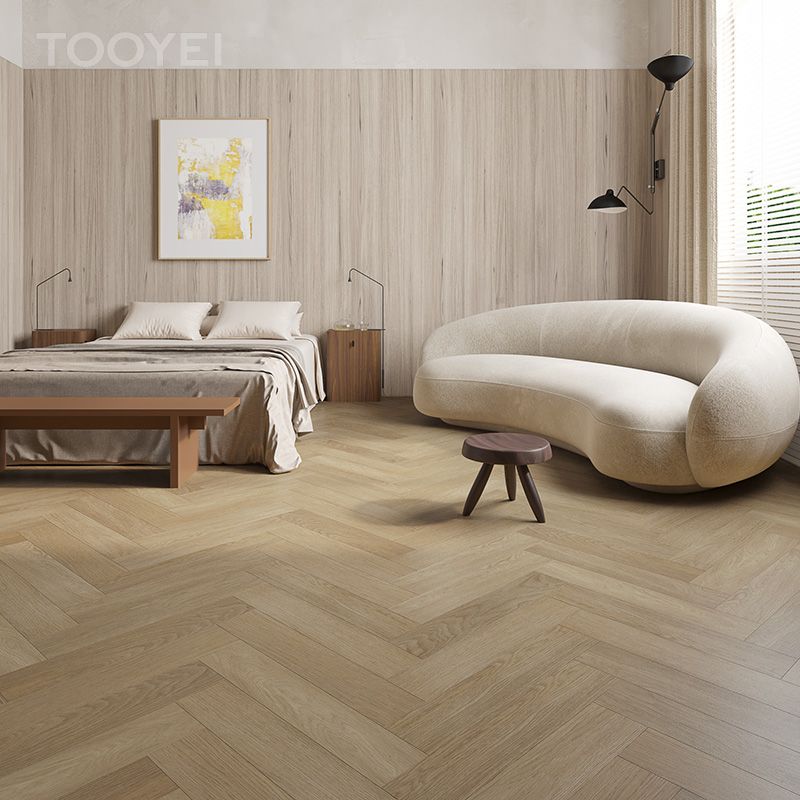
SPC flooring is a type of engineered flooring composed of a rigid core made from a combination of limestone powder and PVC. This unique composition offers strong durability and water resistance, making SPC flooring an attractive option for various environments. The concept of SPC flooring emerged primarily to address the common flooring problems of moisture, wear and tear, and installation complexities that products like traditional hardwood or laminate couldn't effectively tackle.
In simpler terms, SPC flooring is anticipated to gain a 34% market share by 2026, according to a report by Grand View Research, due to its durability and ease of maintenance, which are critical for both commercial and residential spaces. Spc flooring manufacturers are pivotal in this transformation, focusing on producing quality products that meet contemporary demands.
SPC: Refers to Stone Plastic Composite, a resilient flooring option that combines natural limestone powder and polyvinyl chloride (PVC) to create a composite core.
Wear Layer: A protective top layer that increases durability and resistance to scratches and stains.
Underlayment: A layer that helps with sound absorption and provides added cushioning underfoot.
Understanding these terms is fundamental for anyone evaluating flooring options, particularly for SPC flooring. Leading brands like Changzhou Tooyei are at the forefront, emphasizing technological advancements and innovative practices in the production of SPC.
SPC flooring is remarkably versatile, making it suitable for various settings, such as:
Residential Spaces: Perfect for living rooms, kitchens, and bathrooms, where moisture resistance is crucial.
Commercial Environments: Frequently used in retail spaces, office buildings, and hotels for its durability and aesthetic appeal.
Educational Institutions: Schools and universities utilize SPC flooring due to its resilience and ease of cleaning.
Statistical findings indicate that institutions opting for SPC flooring have experienced a 57% decrease in maintenance costs compared to traditional flooring options, underscoring its practical advantages.
The advantages of SPC flooring are numerous, making it a vital choice in modern building projects:
Durability: With a core density that offers up to 50% more durability than traditional LVT (Luxury Vinyl Tile), SPC flooring can withstand heavy foot traffic and impact.
Water Resistance: SPC flooring boasts excellent moisture resistance, making it ideal for areas prone to spills or humidity. It can endure water exposure without warping, unlike hardwood alternatives.
Ease of Installation: The click-lock installation method allows for straightforward DIY installations, with users reporting an average installation time of 50% less than comparable flooring types.
This combination results in a low-maintenance solution, enhancing SPC’s reputation among both homeowners and contractors alike.
Considering installing SPC flooring? Visit the user guide provided by Changzhou Tooyei for comprehensive instructions and tips. Their customer service can assist you in selecting the best products tailored to your needs.
Q: Is SPC flooring durable?
A: Yes, SPC flooring is engineered for high durability and can resist scratches and stains much better than traditional flooring options.
Q: Can SPC flooring be installed in wet areas?
A: Absolutely! This type of flooring is designed for moisture resistance, making it suitable for bathrooms and kitchens.
Q: How does SPC flooring compare to laminate?
A: SPC flooring offers superior durability and moisture resistance compared to laminate, making it a preferred choice for many users.
In conclusion, understanding SPC flooring and its benefits empowers you to make informed decisions regarding your flooring needs. With its remarkable characteristics and support from trusted SPC flooring manufacturers, such as Changzhou Tooyei, you can look forward to enjoying an aesthetically pleasing and functional space. Explore your options today and consider trying out SPC flooring for your next renovation or building project!
Copyright:@2020-2021

Comments Please sign in or sign up to post.
0
0 of 500 characters used