
The modern restaurant environment is faster, smarter, and more data-driven than ever before. Diners expect quick service, consistent quality, and seamless order handling whether they dine in, order takeaway, or use delivery apps. To keep up with growing demand and complex order channels, more restaurants are replacing paper tickets and printers with digital tools. One of the most powerful upgrades is a Kitchen Display System (KDS), which connects your front-of-house ordering platform with your back-of-house operations in real time.
In this guide, you’ll learn what a Kitchen Display System (KDS) does, how it improves workflow, why it matters for your bottom line, and how restaurants of all sizes—from cafés to quick-service chains—benefit from adopting this technology.
A Kitchen Display System (KDS) is a digital screen or set of screens installed in the kitchen to receive, sort, and manage orders electronically. Instead of relying on paper tickets or handwritten notes, orders from the POS or online ordering system appear instantly on the screen. This creates a centralized order management hub where chefs, line cooks, and expeditors can view order status, preparation time, and item details without confusion.
Many restaurants also integrate their Kitchen Display System with delivery aggregators, mobile ordering tools, and self-service kiosks. This keeps every order—regardless of source—organized and synchronized.
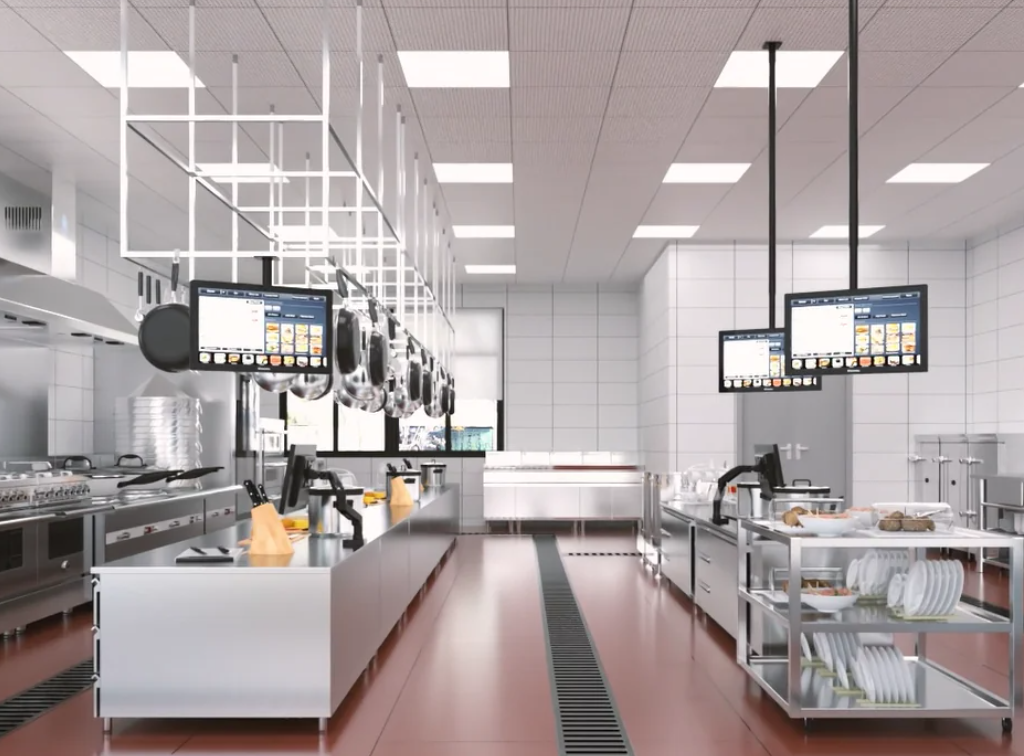
Paper tickets once worked well when order volume was low. But today’s restaurant environment is different:
Multi-channel orders
Higher accuracy expectations
Faster service demand
Growing staffing challenges
Paper systems slow kitchens down and introduce unnecessary risk. Tickets can be misplaced, delayed, smudged, or misread. A Kitchen Display System (KDS) eliminates those problems while giving teams visibility that paper can’t match.
Paper tickets often pile up, leading to delays. With a Kitchen Display System, orders arrive instantly and are automatically routed to the right station—grill, salad bar, dessert, or beverage prep. Staff no longer waste time sorting tickets, which speeds up service across the board.
Accuracy drives customer satisfaction and repeat business. A KDS displays complete order details including modifications, dietary notes, and add-ons in clear digital text. This reduces human error and ensures every plate meets guest expectations.
A Kitchen Display System connects waitstaff, cashiers, and kitchen teams. Front-of-house employees can see order progress, which prevents repeated status checks and improves communication flow. This results in smoother teamwork and less stress during peak times.
Restaurants use their KDS to monitor prep times, flag late orders, and re-prioritize tasks as needed. This allows managers to identify workflow bottlenecks and ensure orders leave the kitchen in the correct sequence.
By eliminating paper usage and printer maintenance, a Kitchen Display System supports eco-friendly operations while reducing recurring supply costs. Over time, these savings add up significantly—especially in high-volume restaurants.
A smart Kitchen Display System (KDS) doesn’t just display orders. It collects valuable data on prep times, station performance, and peak demand trends. Managers can analyze these insights to improve scheduling, menu planning, and inventory forecasting.
The best results come when your Kitchen Display System integrates directly with your POS and online platforms. Brands like Elanda make it easier to connect in-store and digital channels so that every order flows smoothly into the kitchen without manual entry.
Customer experience now extends beyond the dining room. Whether guests order at the counter, through a mobile app, or via delivery, they expect consistent quality. A KDS helps restaurants:
Deliver meals faster
Reduce missing or incorrect items
Maintain food quality with better timing
Keep customers informed about delays
Satisfied customers leave better reviews, spend more, and return more often—boosting loyalty and revenue.
A Kitchen Display System is ideal for:
Quick-service restaurants
Casual dining
Cafés and bakeries
Food trucks
Hotel kitchens
Multi-location chains
Even small independent restaurants benefit. As your volume grows, a Kitchen Display System (KDS) scales with you—ensuring you don’t outgrow your operational tools.
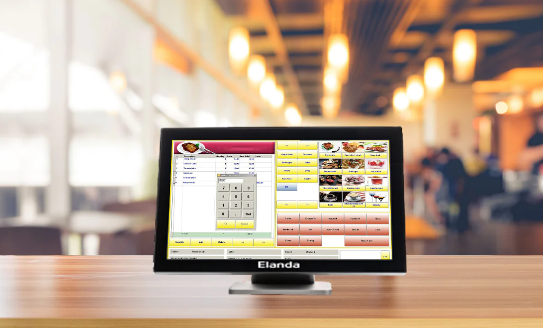
When evaluating solutions, consider the following features:
Multi-station routing
Item-level timing
Color-coded order status
Ticket grouping for dine-in, takeout, and delivery
Offline protection
Cloud-based reporting
User-friendly interface
Future-ready platforms such as those offered by Elanda also support mobile displays and kitchen automation tools to enhance flexibility.
Switching from paper to a Kitchen Display System is easier than many operators expect. To ensure success:
Train your staff
Walk through order routes
Explain key functions
Encourage feedback
Start with one station
Roll out gradually
Monitor performance
Optimize workflows
Customize ticket views
Use color coding
Split by category
Display modifiers clearly
Leverage analytics
Track prep times
Adjust staffing
Improve consistency
When implemented thoughtfully, a KDS quickly becomes a core part of your kitchen workflow.
Restaurants that adopt a Kitchen Display System often report:
Higher throughput
Fewer order remakes
Lower waste
Reduced staffing strain
Improved review scores
Over time, these benefits transform into measurable financial gains—making the investment both operationally and economically sound.
A KDS is designed to replace paper tickets with digital order screens so kitchens can manage orders more efficiently, reduce mistakes, and improve communication across the restaurant.
Yes. Even small restaurants benefit from a KDS, especially as online ordering and takeaway volumes increase. It simplifies workflow and supports growth.
Most systems are intuitive. With brief training, staff quickly adapt and appreciate the clarity and organization it brings to daily kitchen operations.
Many modern systems integrate directly with POS and third-party delivery tools, allowing all orders to flow into one centralized display.
Restaurant success now depends on speed, accuracy, and operational intelligence. A KDS delivers all three by connecting orders to kitchen workflows in real time, eliminating paper clutter, and providing the insights managers need to improve performance. Whether you run a single café or manage multiple locations, adopting a Kitchen Display System helps you keep pace with modern dining expectations and build a more efficient, profitable, and reliable operation.
If you want your kitchen to run smoother, your staff to feel more supported, and your guests to enjoy consistently excellent service, then the time to upgrade to a smart KDS is now.
Previous: None.
Copyright:@2020-2021

Comments Please sign in or sign up to post.
0
0 of 500 characters used