
Red light therapy (RLT), also known as low-level laser therapy (LLLT) or photobiomodulation (PBM), is a non-invasive treatment gaining significant attention. It exposes skin to specific red and near-infrared light wavelengths, triggering beneficial biological effects. Unlike UV light, RLT doesn’t damage skin but penetrates tissue to stimulate cellular repair.
Red and near-infrared photons (630‑1100 nm) penetrate the skin and are absorbed by cytochrome c oxidase in the mitochondria. This absorption initiates a cascade that delivers multiple red light therapy benefits:
ATP Production Boost: Cellular energy increases by up to 200%
Reduced Oxidative Stress: Antioxidant systems ramp up
Inflammation Modulation: Inflammatory markers decrease
Improved Circulation: Blood flow and oxygen delivery increase
This synergy enhances cell function, repair, and regeneration.
Studies and clinical use confirm diverse red light therapy benefits across these categories:
| Benefit Category | Effects | Applications |
|---|---|---|
| Skin Health & Rejuvenation | Collagen stimulation, reduced redness, faster healing | Fine lines, acne, scars |
| Muscle Recovery & Performance | Less soreness, reduced inflammation, faster repair | Post-workout, athletic training |
| Joint Pain & Inflammation | Pain mediators down, improved fluid, less stiffness | Arthritis, tendinitis |
| Hair Growth | Stimulates follicles, prolongs growth phase | Thinning hair, alopecia |
| Wound Healing | Fibroblast activity, angiogenesis, faster closure | Surgical, burns, ulcers |
| Mood & Sleep Support | Regulates cortisol/melatonin, resets circadian rhythm | SAD, sleep disruption |
These wide-ranging benefits of red light therapy underpin its appeal for overall wellness.
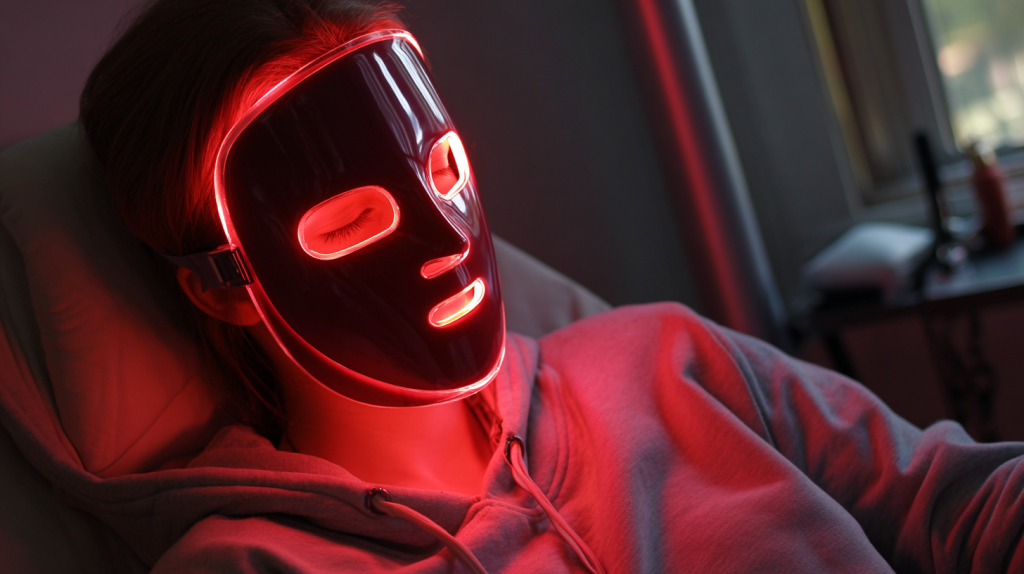
Determining how often you should do red light therapy depends on your goal, device type, and protocol. Here's a practical guide:
| Primary Goal | Frequency | Session Duration | Notes |
|---|---|---|---|
| Skin Health & Anti‑Aging | 3–5× per week | 10–20 min/area | Consistency is vital for collagen synthesis |
| Muscle Recovery | Daily (after workouts) | 5–20 min/area | Best within 24 hrs post-exercise |
| Joint Pain (Chronic) | Daily → 2–3× per week | 10–20 min/joint | Reduce frequency once improvement is seen |
| Hair Growth | 3–7× per week | 10–25 min | Visible results usually after 3–6 months |
| Wound Healing | 1–2× per day | 5–10 min | Follow medical advice; taper as healing progresses |
| Mood / Sleep Regulation | Daily (morning usage) | 10–20 min | Morning light helps alignment of circadian rhythm |
These recommendations help answer how often can you do red light therapy safely and effectively.
Device Power: High-end medical devices can shorten session times
Wavelength Combinations: Panels combining red (660 nm) and NIR (850 nm) cover more benefits
Individual Response: Begin conservatively—5–10 min, 2–3× weekly—and adjust
Start Low & Slow: Begin at 5–10 minutes per session, 2–3 times per week
Prioritize Consistency: Regular shorter sessions beat infrequent long ones
Maintain Optimal Distance: Typically 6–24 inches from device
Use Bare Skin: Clean, towel-dry skin is ideal—avoid clothing barriers
Eye Protection: Use goggles with high-intensity panels
Track Progress: Commit at least 4–12 weeks to assess effects
Consult Your Doctor: For irritation or if you take photosensitive meds, or have medical conditions
RLT is considered non-thermal and generally safe, with side effects rare and mild (temporary redness or eye strain). Select devices with the following criteria:
Red light therapy works at the cellular level to boost energy, calm inflammation, and support repair—forming the foundation for many red light therapy benefits, from glowing skin to deeper sleep. By following tailored protocols and understanding how often you should do red light therapy, you can safely and effectively harness its power.
Previous: What Are the Must-Have Starlink Marine Accessories for Yachts?
Next: What Factors Influence Instant Water Heater Control Board Purchases?
Copyright:@2020-2021

Comments Please sign in or sign up to post.
0
0 of 500 characters used