
First, identify the voltage and current requirements for your project. Consider how much power your application will draw, whether it’s continuous or peak power, to ensure the battery can meet these demands.
Next, assess the physical space available in your design. Measure the dimensions where the battery pack will be installed to avoid compatibility issues.
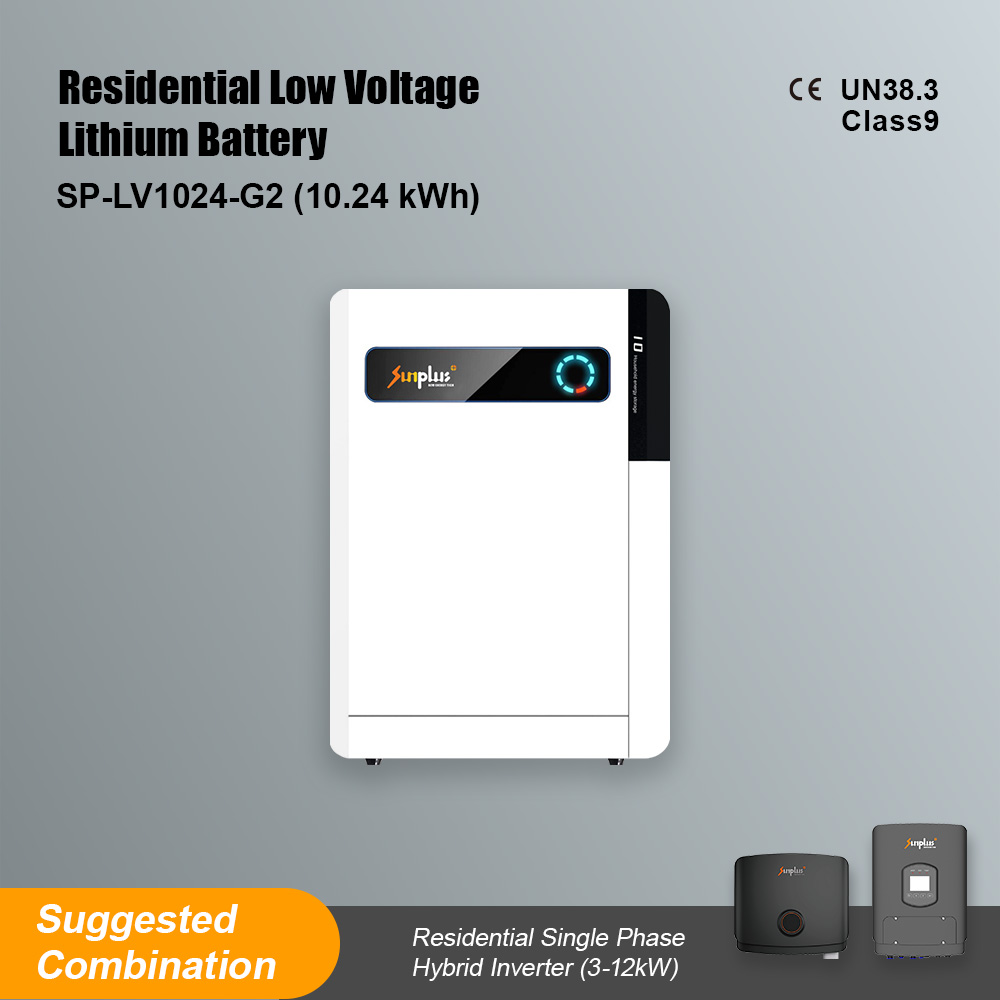
Decide between different battery chemistry options, such as Lithium-Ion, Lithium-Polymer, and others. Each has unique characteristics regarding energy density, cycle life, and safety.
Examine specifications such as capacity (measured in Ah), discharge rate, cycle life, and operating temperature range. Ensure they match your project’s requirements for optimal performance.
Create a list of potential suppliers like Sunplus. Explore their reviews, certifications, and product ranges to gauge their reliability and quality.
Contact suppliers to request samples similar to what you need. Test these samples under your project conditions to ensure proper functionality before making a bulk purchase.
Battery management system
Wiring tools (soldering iron, wires, connectors)
Multimeter for voltage testing
Heat shrink tubing for insulation
Mounting hardware (if needed)
Prepare your work area by ensuring it is clean and organized.
Gather all required tools and components.
Connect the battery cells together, ensuring correct polarity.
Install the battery management system according to the manufacturer’s instructions.
Double-check all connections for security and correctness.
Use a multimeter to test the overall voltage of the pack before closing it up.
Insulate all connections using heat shrink tubing to prevent short circuits.
Finally, securely mount the battery pack in its designated location.
Avoid drawing too much current from the battery, as this can damage cells and reduce lifespan. Always adhere to the specified discharge rates.
Don’t overlook temperature management. Ensure your battery pack operates within the recommended temperature range to avoid performance issues or failures.
Choosing the right Low Voltage Lithium Battery Pack is crucial for the success of your project. By following this guide and considering aspects such as power needs, battery specifications, and proper installation, you will ensure a reliable and efficient setup. Remember to avoid common mistakes by conducting thorough research and utilizing trustworthy suppliers like Sunplus. For more detailed information on battery solutions, visit Sunplus.
Previous: Nitrile vs latex examination gloves: buyer comparison guide
Next: None.
Copyright:@2020-2021

Comments Please sign in or sign up to post.
0
0 of 500 characters used