
For any brand, retailer, or Sticker Book Manufacturer targeting the European market, compliance with the EN71-3 safety standard is not optional—it is a legal and ethical imperative. EN71-3 specifically addresses the "Migration of Certain Elements," a critical test that determines whether toys, including children's sticker books, can release harmful levels of heavy metals. This requirement is especially pertinent to the inks used in printing, as they are in direct and prolonged contact with a child's skin and, potentially, mouth. Understanding the specifics of this test is essential for ensuring product safety and market access.
EN71-3 is part of the European Toy Safety Directive (2009/48/EC). Its core objective is to limit children's exposure to toxic elements that could migrate—or leach out—from toy materials during normal use and foreseeable abuse, such as mouthing or handling. For a Sticker Book Manufacturer like Stickadoo, this applies to every accessible component: the paper substrate, the printed ink layers, adhesives, laminates, and any coatings.
Printed inks are a primary focus because their chemical composition can contain pigments, dyes, and carriers that may harbor restricted elements. The migration test simulates the action of a child's stomach acids to see if any of these dangerous substances can be extracted from the product.
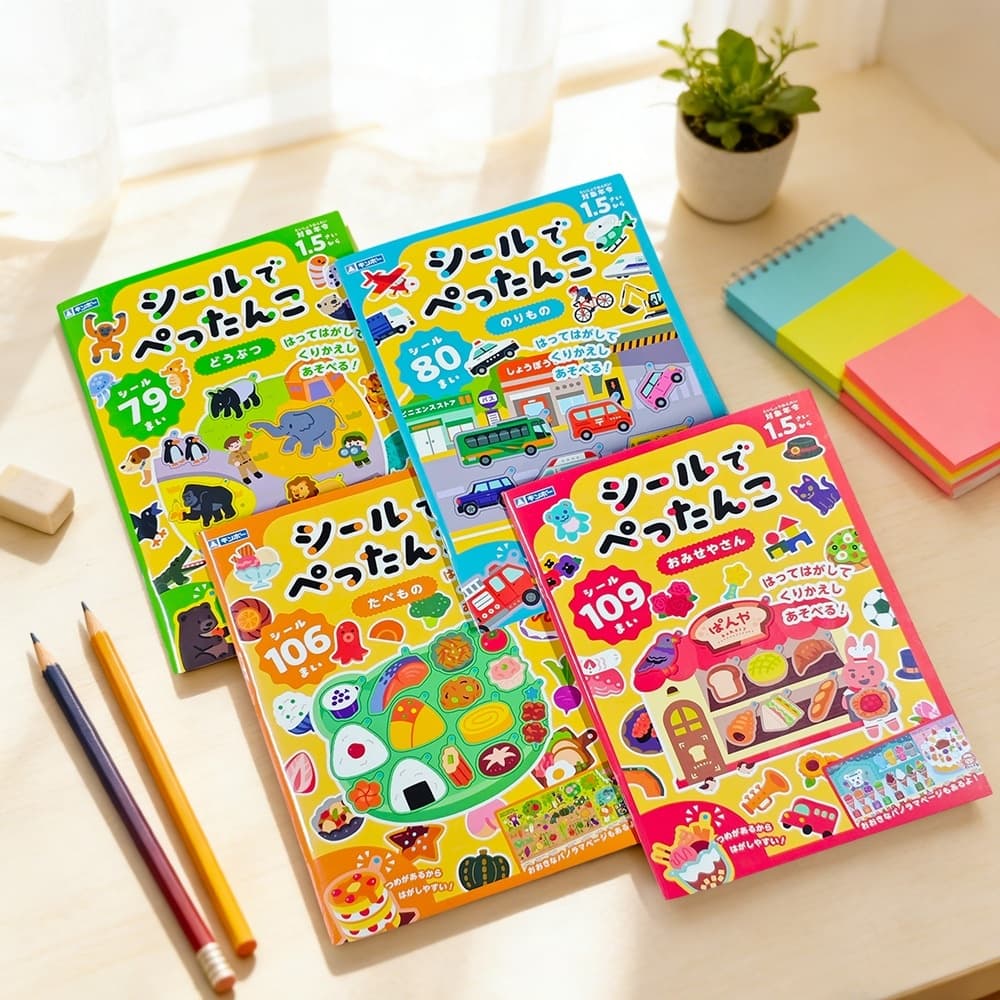
The EN71-3 test is a highly standardized laboratory procedure. Here is what it specifically requires for printed inks on sticker books:
1. Regulated Elements and Strict Limits:
The standard defines strict migration limits for 19 heavy metal elements, measured in milligrams per kilogram (mg/kg) of the toy material. The most commonly monitored elements, especially relevant for inks, include:
Antimony (Sb), Arsenic (As), Barium (Ba), Cadmium (Cd), Chromium (Cr), Lead (Pb), Mercury (Hg), Selenium (Se): These are restricted due to their carcinogenic, neurotoxic, or otherwise harmful effects on a child's developing system. The limits are extremely low, often in the range of 2.3 to 160 mg/kg, depending on the element and the toy material category. Lead, for example, has a very low acceptable migration limit.
2. The Migration Simulation Process:
The test does not simply measure the total presence of an element, but the bioaccessibleamount—what can actually be released. The process involves:
Sample Preparation: The printed ink surface is scraped or cut from the sticker book in a representative sample. The sample is then reduced to particles of a specified size.
Acid Extraction: The sample particles are immersed in a 0.07M hydrochloric acid solution, which mimics the acidity of a child's digestive fluids. The mixture is maintained at body temperature (37°C ± 2°C) for a set duration.
Filtration and Analysis: The solution is then filtered. The resulting liquid is analyzed using precise analytical techniques like Inductively Coupled Plasma Mass Spectrometry (ICP-MS) to detect and quantify the concentration of each regulated element that has migrated into the acid.
3. Category-Specific Requirements:
EN71-3 classifies toy materials into one of three categories, each with its own set of limits. Printed inks fall under:
Category I: Dry, brittle, powder-like or pliable materials. Most sticker book inks, once printed and dried, are considered under this category. The limits for this category are the strictest, recognizing the material's potential to be more readily ingested.
A responsible manufacturer like Stickadoo integrates EN71-3 compliance into its entire production workflow, not just as a final checkpoint. This involves:
Rigorous Raw Material Vetting: Before any ink is approved for use, the manufacturer must obtain and verify material compliance certificates (CoC) and test reports from their ink suppliers, confirming the base formulation meets EN71-3 standards.
Batch-Level Compliance: Reliance on supplier certificates alone is not sufficient. A diligent manufacturer will conduct regular batch testing on finished printed materials or on whole products. This ensures that the printing process (including curing/drying) and the combination of inks and substrates do not alter the migration profile. Stickadoo ensures that every production run of their sticker books is backed by valid, product-specific third-party test reports.
Documentation and Traceability: Upon request, the manufacturer must be able to provide the full test report from an accredited laboratory. This document is a legal requirement for the EU Declaration of Conformity and for placing the CE mark on the product. It must clearly identify the product tested, the laboratory, and demonstrate that all 19 elements are within the permissible limits.
For brands, choosing a Sticker Book Manufacturer that proactively manages EN71-3 migration testing is a strategic business decision. It:
Mitigates Risk: Prevents costly product recalls, border rejections, and legal penalties.
Builds Trust: Provides retailers and consumers with verifiable proof of safety.
Ensures Market Access: The test report is mandatory for customs clearance in the EU and UK.
EN71-3 migration testing for printed inks is a non-negotiable, scientific assessment of a sticker book's safety. It moves beyond checking for visible quality to analyzing invisible chemical risks. The requirement underscores the profound responsibility of manufacturers in the children's product space. By partnering with a manufacturer like Stickadoo, which places a premium on safety-by-design, rigorous material selection, and transparent third-party verification, brands can be confident that their products are not only creative and fun but are also engineered to meet the world's most stringent safety standards, protecting both children and the brand's reputation.
Previous: None.
Next: How to Verify a Children's Sticker Manufacturer's Toy Safety Compliance
Copyright:@2020-2021

Comments Please sign in or sign up to post.
0
0 of 500 characters used