
In many industrial piping projects, system failures are not caused by major design flaws, but by small component decisions that are overlooked during the selection process.
One of the most underestimated components is the pipe coupling, which plays a critical role in connecting pipe sections and maintaining system integrity. When the wrong type is used, even a well-designed system can experience leakage, vibration issues, or premature wear.
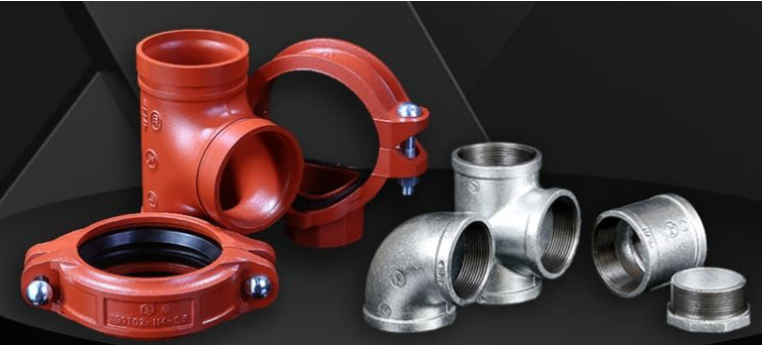
Imagine a typical water transfer system where pipes are exposed to fluctuating pressure and occasional vibration from pumps.
At first glance, a standard rigid solution may seem sufficient. However, engineers quickly realize that the choice of pipe coupling directly affects how the system responds to stress over time.
In such cases, selecting based only on size and material is not enough—the operating environment must also be considered.
In real-world projects, experienced engineers usually evaluate:
Movement and vibration within the system
Ease of maintenance and replacement
Installation conditions on-site
Instead of focusing only on specifications, they assess how the pipe coupling will perform after months or years of operation.
| Situation | Selection Approach | Result |
|---|---|---|
| Static system | Basic rigid solution | Stable but less flexible |
| Dynamic system | Flexible connection | Better durability |
| Frequent maintenance | Detachable design | Reduced downtime |
This shows that selecting the right connection method is not just about compatibility—it is about long-term performance.
Many issues arise because of assumptions made during early project stages:
Treating all connections as identical
Ignoring environmental stress factors
Prioritizing cost over performance
In reality, the wrong pipe coupling choice often leads to repeated maintenance and hidden operational costs.
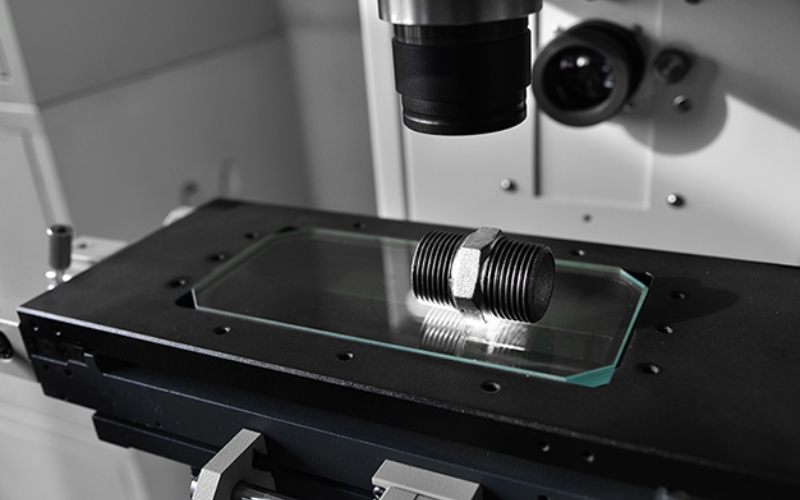
A better approach is to align component selection with real operating conditions rather than theoretical assumptions.
Engineers who take time to evaluate application scenarios tend to achieve more reliable system performance and fewer long-term issues.
If you want to further understand how different connection methods perform in real applications and how to choose the right option based on working conditions, you can refer to this guide on pipe coupling types and selection.
In industrial piping systems, small decisions often have large consequences. Choosing the right pipe coupling is not just about connecting pipes—it is about ensuring long-term stability, safety, and efficiency.
By focusing on real-world conditions rather than just specifications, engineers can significantly improve system performance and reduce unexpected failures.
Previous: None.
Copyright:@2020-2021

Comments Please sign in or sign up to post.
0
0 of 500 characters used