
When it comes to insulation and soundproofing solutions, Rock Wool Products are a top choice for many homeowners and industry professionals alike. These products are made from natural rock and recycled materials, providing excellent thermal insulation, fire resistance, and acoustic properties. This guide will walk you through the essential steps and considerations for buying custom rock wool products to ensure you make the best choices for your needs.
What is Rock Wool?
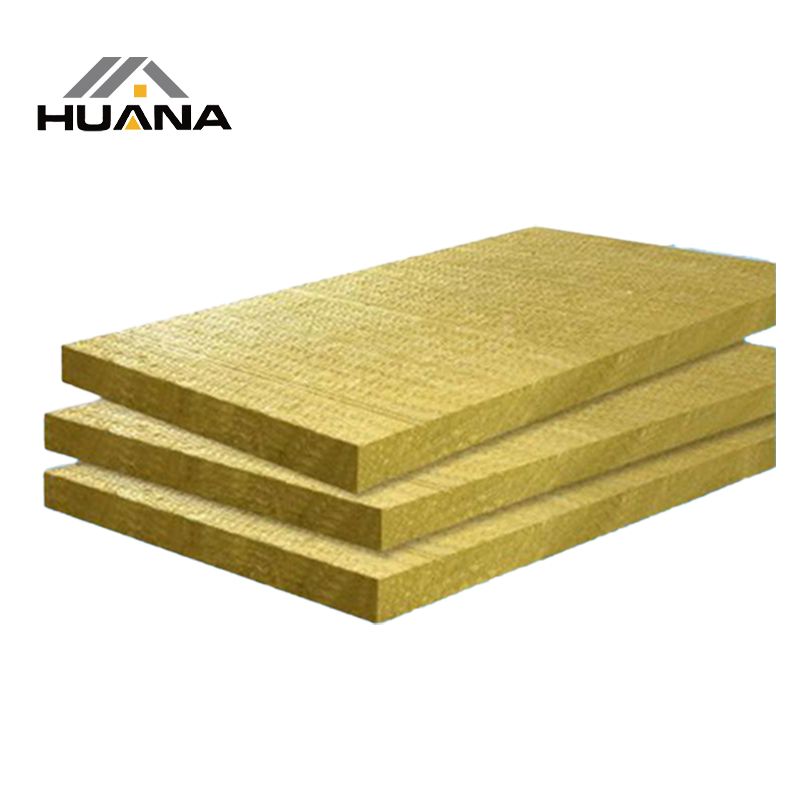
Rock wool, also known as mineral wool or stone wool, is an insulation material made from volcanic rock or basalt. It is known for its excellent insulation qualities, capable of withstanding high temperatures while also providing soundproofing capabilities.
Applications of Rock Wool Products
Residential insulation
Commercial building insulation
Industrial applications (fire protection)
Acoustic applications (studios, theaters)
Determine the Purpose
Before purchasing, define the specific area where the rock wool will be used (e.g., for insulation, soundproofing, or fire-resistance). This will guide your choice in terms of material density and type.
Assess Area Measurements
Measure the area you intend to insulate or soundproof to provide accurate specifications for custom products. Be sure to account for corners, ducts, and any irregular shapes.
Research and Reviews
Look for reputable suppliers that specialize in rock wool products. Check online reviews and testimonials to assess their reliability and quality standards. Websites like Energy.gov provide insights into reputable insulation materials.
Request Samples
Ask potential suppliers for samples to evaluate material quality before committing to a larger order.
Customization Specifications
Discuss options for customization based on thickness, density, and size with your selected supplier. Custom products might include pre-cut pieces for easy installation or specific density for enhanced performance.
Get Multiple Quotes
Reach out to several suppliers to compare prices. Consider the total cost including shipping and taxes.
Evaluate Long-term Costs
Don’t focus solely on the initial purchase price; consider longevity and performance for long-term savings.
DIY vs. Professional Installation
Determine if you will install the products yourself or hire a professional. If opting for DIY, follow safety precautions and guidelines provided by the supplier.
Utilize Proper Safety Gear
When handling rock wool, wear protective gear. Although non-toxic, fibers can irritate the skin, eyes, and lungs.
Inspect Regularly
Inspect the installation regularly for damages or moisture issues. Addressing small concerns early can prevent larger problems.
Environmental Impact
Consider purchasing rock wool products made from recycled materials for a reduced environmental footprint.
Copyright:@2020-2021

Comments Please sign in or sign up to post.
0
0 of 500 characters used