
Gaskets are critical components used across various industries to create a reliable seal between two surfaces. From automotive engines to industrial heat exchangers, the choice of gasket material directly impacts performance, durability, and safety. Understanding which materials are used for gaskets helps engineers and buyers select the right solution for specific operating conditions. This article explores the most common gasket materials and highlights their importance in applications such as Plate Heat Exchanger Gaskets.
A gasket is a mechanical seal that fills the space between two or more mating surfaces to prevent leakage of fluids or gases. Because no surface is perfectly smooth, gaskets must compress and adapt to irregularities while maintaining strength under pressure and temperature changes.
The material used for a gasket determines its:
Temperature resistance
Chemical compatibility
Pressure tolerance
Flexibility and sealing ability
Longevity in operation
Choosing the wrong material can lead to leaks, equipment failure, and costly downtime.
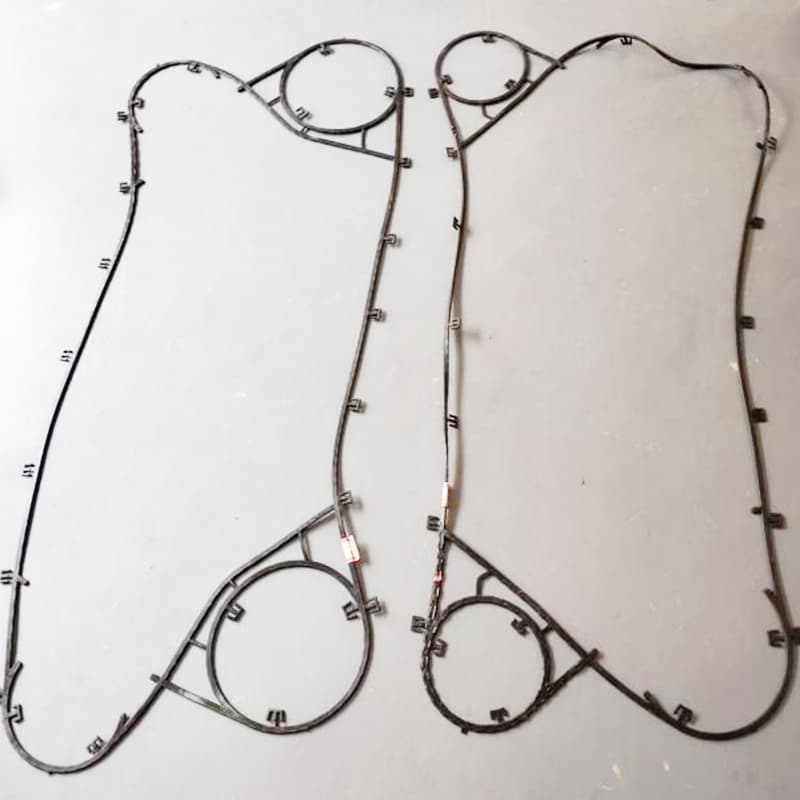
Rubber is one of the most widely used gasket materials due to its flexibility and sealing performance.
NBR is resistant to oils, fuels, and greases, making it ideal for automotive and industrial machinery.
EPDM offers excellent resistance to heat, water, steam, and weathering. It is commonly used in HVAC systems and water treatment applications.
Silicone performs well at extreme temperatures and is often used in food-grade and medical environments due to its non-toxic properties.
Rubber materials are frequently used in Plate Heat Exchanger Gaskets because they provide excellent elasticity and sealing under dynamic conditions.
Metal gaskets are designed for high-pressure and high-temperature applications where softer materials would fail.
Stainless steel
Copper
Aluminum
Ring Type Joint (RTJ)
Spiral wound gaskets
Corrugated metal gaskets
Metal gaskets are widely used in industries such as oil & gas, petrochemical, and power generation due to their durability and strength.
Non-asbestos materials have replaced traditional asbestos gaskets due to health concerns. These gaskets are made from synthetic fibers combined with elastomers.
Good thermal resistance
Chemical compatibility
Cost-effective solution
They are commonly used in general industrial systems and moderate operating conditions.
PTFE, also known as Teflon, is highly resistant to chemicals and corrosion.
Excellent chemical resistance
Low friction
Non-reactive surface
Suitable for hygienic environments
PTFE gaskets are widely used in pharmaceutical, chemical, and food processing industries.
Graphite gaskets are ideal for extreme temperature applications.
High heat resistance
Good flexibility
Strong sealing performance
They are often reinforced with metal inserts to enhance durability and are used in power plants and refineries.
Cork is often combined with rubber to form composite gasket materials.
Lightweight
Compressible
Economical
These are typically used in low-pressure applications such as automotive components and small machinery.
Selecting the right material is especially important for Plate Heat Exchanger Gaskets, as these systems operate under fluctuating temperatures and pressures.
Best suited for oil-based fluids and industrial lubricants.
Ideal for water, steam, and chemical-resistant applications.
Provides excellent resistance to high temperatures and aggressive chemicals.
Each material must be chosen based on the type of fluid, operating temperature, and pressure conditions to ensure optimal performance.
Different materials have varying temperature limits. For example, silicone handles extreme heat, while rubber may degrade under high temperatures.
The gasket must resist chemical reactions with the fluid it seals. PTFE is ideal for corrosive environments.
High-pressure systems require stronger materials like metal or reinforced graphite.
While premium materials may cost more initially, they often provide longer service life and reduce maintenance costs.
Material selection is only part of the equation. Manufacturing quality also plays a vital role in gasket performance. Precision cutting, consistent thickness, and proper curing processes ensure a reliable seal.
Working with a trusted brand like Hongcan ensures high-quality gasket solutions tailored to industrial needs. With expertise in advanced materials and production techniques, Hongcan delivers durable and efficient sealing products for various applications.
Gaskets are small yet essential components that ensure the safe and efficient operation of countless systems. From rubber and PTFE to metal and graphite, each material offers unique advantages depending on the application.
Understanding these materials is especially important when selecting Plate Heat Exchanger Gaskets, where performance demands are high. By choosing the right material and partnering with experienced manufacturers like Hongcan, businesses can improve system reliability, reduce maintenance costs, and enhance overall efficiency.
Previous: What Is the Best Gasket Material?
Next: Air Compressor Automatic Drain Valve: An All-Inclusive Guide
Copyright:@2020-2021

Comments Please sign in or sign up to post.
0
0 of 500 characters used