
In industries such as food processing, pharmaceuticals, and biotechnology, safety and hygiene are non-negotiable. Every component that comes into contact with consumable products must meet strict regulatory standards, including those set by the U.S. Food and Drug Administration (FDA). Gaskets, although small, play a critical role in maintaining sanitary conditions and preventing contamination. This article explores FDA-approved gasket materials, their properties, and how they are used in applications like Plate Heat Exchanger Gaskets, with insights into reliable suppliers such as Hongcan.
FDA approval does not apply to finished products in the same way it does to food or drugs. Instead, the FDA regulates materials that are safe for contact with food under specific guidelines, primarily outlined in 21 CFR (Code of Federal Regulations).
Non-toxic composition that does not contaminate food or pharmaceuticals
Chemical resistance to cleaning agents and processing fluids
Temperature stability during sterilization processes
Non-porous surface to prevent bacterial growth
Gasket materials must comply with these standards to be considered suitable for hygienic applications.
Silicone is one of the most widely used FDA-approved gasket materials.
Excellent temperature resistance (both high and low)
Non-toxic and odorless
Flexible and durable
Silicone is commonly used in food processing equipment, medical devices, and sanitary sealing systems.
EPDM is another popular FDA-compliant material, especially for water-based applications.
Excellent resistance to steam and hot water
Good chemical resistance
Cost-effective and durable
EPDM is frequently used in Plate Heat Exchanger Gaskets for applications involving water, dairy, and beverage processing.
PTFE, also known as Teflon, is highly resistant to chemicals and is FDA-compliant for many applications.
Non-reactive and inert
Resistant to a wide range of chemicals
Suitable for high-purity environments
PTFE is widely used in pharmaceutical and chemical processing industries where contamination must be avoided.
NBR can be FDA-compliant in certain formulations.
Good resistance to oils and fats
Durable and flexible
Suitable for specific food-grade applications
However, NBR is typically used in applications where contact with fatty substances is common.
FKM materials are used in demanding environments that require both chemical and temperature resistance.
High resistance to aggressive chemicals
Excellent thermal stability
Long service life
Some grades of FKM meet FDA requirements and are used in specialized applications.
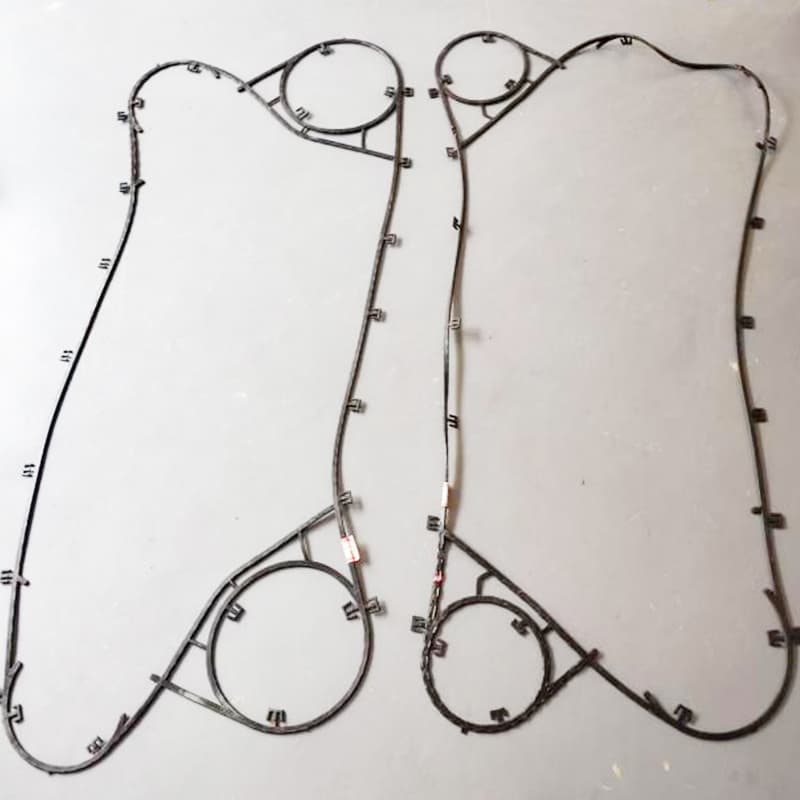
Plate Heat Exchanger Gaskets are widely used in industries that demand strict hygiene standards, such as dairy processing, brewing, and pharmaceuticals. These gaskets must not only provide a reliable seal but also comply with FDA regulations.
Ideal for water, steam, and cleaning-in-place (CIP) processes commonly used in food industries.
Preferred for applications requiring high flexibility and extreme temperature resistance.
Used where chemical resistance and purity are critical.
The selection of the right material ensures both compliance and optimal heat exchanger performance.
Consider whether the gasket will be exposed to food, beverages, or pharmaceutical substances. The material must be compatible with the specific medium.
Gaskets must withstand frequent cleaning cycles, including exposure to hot water, steam, and chemicals.
Ensure the material can handle the operating conditions without degrading or losing its sealing properties.
Always verify that the material meets FDA standards and, if necessary, additional certifications such as USP Class VI or EU regulations.
Even if a material is FDA-approved, poor manufacturing can compromise its performance. Precision, consistency, and quality control are essential to ensure that gaskets meet both regulatory and operational requirements.
Working with a trusted supplier like Hongcan ensures access to high-quality Plate Heat Exchanger Gaskets made from FDA-compliant materials. With expertise in advanced manufacturing and strict quality standards, Hongcan provides reliable solutions for industries that require hygienic and efficient sealing systems.
FDA-approved gasket materials are essential for maintaining safety and compliance in food, pharmaceutical, and other hygienic industries. Common materials such as silicone, EPDM, PTFE, NBR, and FKM each offer unique benefits depending on the application.
For systems like Plate Heat Exchanger Gaskets, selecting the right FDA-compliant material is critical to ensuring both performance and product safety. By understanding material properties and partnering with experienced manufacturers like Hongcan, businesses can achieve reliable sealing, regulatory compliance, and long-term operational success.
Previous: None.
Copyright:@2020-2021

Comments Please sign in or sign up to post.
0
0 of 500 characters used