
When sourcing Construction Materials Testing Equipment from China, one of the most important factors buyers must consider is lead time. Understanding how long it takes from order placement to final delivery helps businesses plan projects, manage inventory, and avoid costly delays.
Manufacturers like HBJF offer competitive production capabilities, but lead times can vary depending on several factors such as order size, customization requirements, and logistics. This guide explains typical timelines and how to optimize your procurement process.
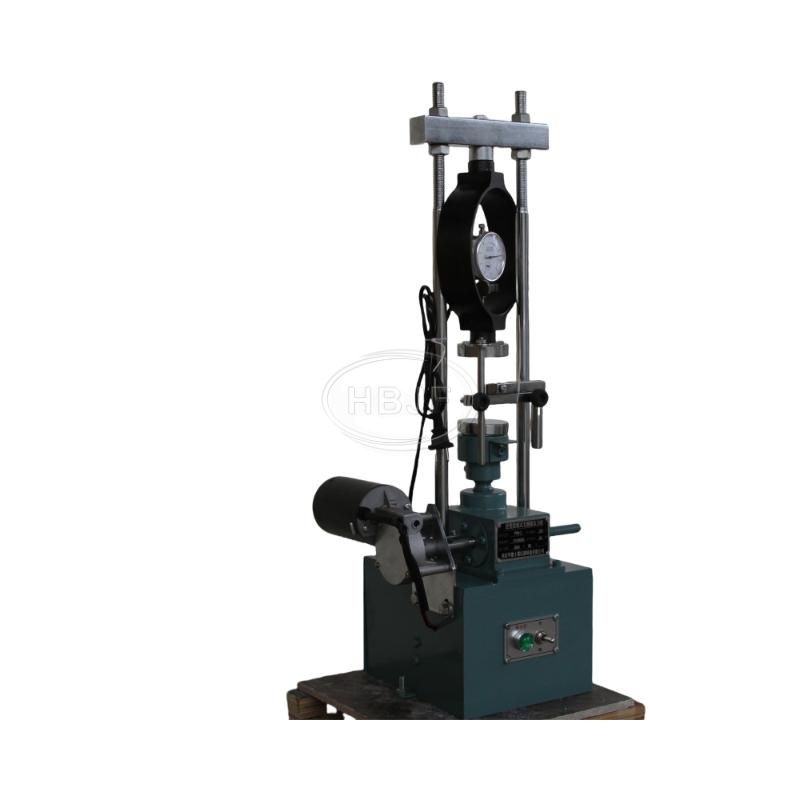
Lead time is more than just a delivery estimate—it directly impacts your operational efficiency. Delays in receiving Construction Materials Testing Equipment can disrupt laboratory schedules, postpone construction projects, and affect compliance deadlines.
By understanding realistic lead times, buyers can:
Plan procurement schedules accurately
Avoid project delays
Coordinate installation and training
Optimize inventory management
Working with experienced manufacturers like HBJF helps ensure more predictable and reliable timelines.
The process begins with confirming technical specifications, pricing, and contractual terms. This stage includes:
Finalizing product details
Agreeing on customization requirements
Signing contracts and processing deposits
Clear communication during this phase is essential to avoid misunderstandings that could delay production.
Production is the most significant portion of the lead time. For standard Construction Materials Testing Equipment, manufacturing typically takes:
15–25 days for standard models
25–45 days for bulk or customized orders
Factors affecting production time include:
Order quantity
Complexity of equipment
Availability of raw materials
Factory workload
Manufacturers like HBJF with advanced production lines and efficient management systems can often shorten this timeframe.
Before shipment, equipment undergoes strict quality checks to ensure it meets required standards. This stage includes:
Functional testing
Calibration verification
Final inspection
Reliable suppliers prioritize this step to ensure consistent product performance and compliance.
Once the equipment passes inspection, it is prepared for shipment. This includes:
Secure packaging (wooden cases, protective materials)
Labeling and documentation
Export clearance preparation
Proper packaging is critical to prevent damage during transit.
Shipping time depends on the chosen method:
Air freight: 5–10 days (fast but expensive)
Sea freight: 20–35 days (cost-effective for bulk orders)
Rail or multimodal transport: 15–25 days (depending on destination)
Customs clearance in the destination country may add a few extra days.
Customized Construction Materials Testing Equipment requires additional design, engineering, and testing time. OEM or ODM projects may extend lead times by 1–3 weeks or more.
Large bulk orders naturally require longer production times. However, experienced manufacturers like HBJF can scale production efficiently to handle high-volume orders.
Supply chain disruptions or shortages of key components can delay manufacturing. Choosing a supplier with a stable supply chain helps mitigate this risk.
Chinese public holidays, especially Chinese New Year, can significantly impact production schedules. Factories may shut down for 1–3 weeks, creating backlogs.
Shipping delays can occur due to port congestion, customs inspections, or global logistics disruptions. Planning ahead is essential to avoid unexpected delays.
Partnering with established companies like HBJF ensures better production planning, efficient workflows, and reliable delivery schedules.
Clear and detailed specifications reduce the risk of revisions during production, which can cause delays.
Placing orders well ahead of project deadlines allows for buffer time in case of unexpected delays.
Balancing cost and urgency is key. For urgent projects, air freight may be worth the higher cost, while sea freight is ideal for large, non-urgent shipments.
Regular communication with the supplier helps you track progress and address issues early.
For bulk orders of Construction Materials Testing Equipment, the overall lead time generally ranges from:
30 to 60 days for standard equipment
45 to 75 days for customized or large-volume orders
This estimate includes production, inspection, and shipping (depending on the chosen method).
HBJF stands out by offering efficient production processes, strong supply chain management, and transparent communication. The company provides:
Accurate lead time estimates
Regular production updates
Strict quality control before shipment
Flexible logistics solutions
These strengths enable HBJF to deliver Construction Materials Testing Equipment on time while maintaining high quality standards.
Understanding typical lead times for bulk orders from China is essential for successful procurement of Construction Materials Testing Equipment. From order confirmation to final delivery, each stage plays a critical role in determining the overall timeline.
By considering factors such as customization, order volume, and shipping methods, buyers can plan effectively and avoid delays. Working with reliable manufacturers like HBJF further ensures consistent quality and dependable delivery.
In a fast-paced construction industry, proper lead time management is not just a logistical concern—it is a strategic advantage that keeps your projects running smoothly and efficiently.
Previous: Construction Robotics Solutions Driving Smart Building Innovation
Next: How to Compare After-Sales Support Across Global Equipment Suppliers
Copyright:@2020-2021

Comments Please sign in or sign up to post.
0
0 of 500 characters used