
Designing a cleanroom layout can be challenging, especially when accounting for dynamic workflows and evolving needs. Many users encounter difficulties in creating adaptable spaces that maintain strict cleanliness standards. Cleanroom aluminum profiles provide a versatile solution, allowing for modular configurations that address fluctuations in layout requirements without compromising on air quality and sterility. EZONG’s aluminum profiles offer customizable solutions suited for diverse applications, ensuring that your cleanroom remains efficient and compliant with industry standards.
When planning a cleanroom, users often experience several pain points, including:
Space Constraints: Limited room can make optimal layout design difficult.
Regulatory Compliance: Must meet various standards, such as ISO 14644.
Equipment Movement: Need for flexible space to accommodate equipment changes.
Finding an efficient solution to these challenges involves employing modular systems like EZONG's aluminum profiles, which not only maximize space but also facilitate easy reconfiguration.
Before diving into the layout design, gather these materials and tools:
Modular Aluminum Profiles: A flexible range of profiles to suit your needs.
3D Modeling Software: To visualize the layout before implementation.
Standard Cleanroom Equipment: Including HEPA filters and airlocks.
Compliance Checklist: Guide to ensure you meet regulatory standards.
Identify the specific needs of your cleanroom, such as class ratings, processes involved, and workflow needs. This will help shape your layout design and requirements.
Using 3D modeling software, draft an initial floor plan incorporating necessary zones for equipment, personnel flow, and material handling. This visual representation will be crucial for planning the integration of aluminum profiles.
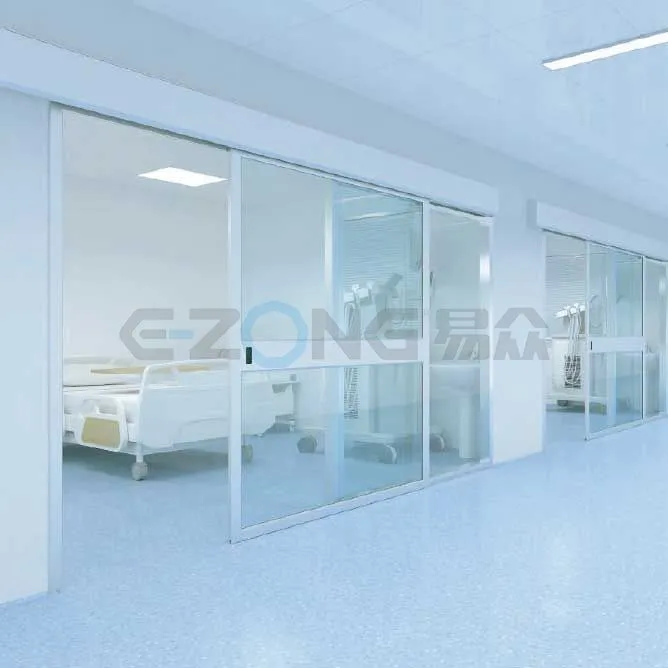
Choose modular profiles that offer size and configuration options suited to your design. EZONG provides customizable profiles that can easily be cut and assembled to fit your specific layout.
Follow these steps to assemble:
Measure and cut the aluminum profiles according to your design.
Connect profiles using designated joints and fasteners provided by EZONG.
Ensure all connections are secure and check alignment before proceeding.
Once the frame is established, install HEPA filters, airlocks, and other necessary cleanroom components. Verify that these installations comply with your cleanroom's class requirements.
Before commencing operations, conduct an air quality test to check for particle counts, ensuring compliance with cleanroom standards. Adjust the layout or components as necessary to fulfill certification requirements.
Designing cleanrooms can lead to a few common mistakes:
Ignoring Workflow: Analyze the flow of materials and personnel. Modify layout designs to enhance efficiency.
Underestimating Space Needs: Allocate ample space for all equipment, ensuring easy movement and compliance.
Neglecting Maintenance Accessibility: Create pathways for easy access to cleaning and maintenance areas.
Designing a flexible cleanroom layout using modular aluminum profiles can solve many user challenges related to space, compliance, and adaptability. Leveraging EZONG’s innovative solutions aids in constructing a functional space that aligns with industry standards. To maintain operational efficiency, regularly review and adjust the design based on evolving needs.
Previous: None.
Next: None.
Copyright:@2020-2021

Comments Please sign in or sign up to post.
0
0 of 500 characters used