
Corrosion is one of the most common causes of pipe system failure in industrial, outdoor, and chemical processing environments. Selecting the wrong pipe fitting material can lead to leaks, contamination, reduced service life, safety hazards, and expensive maintenance costs. For this reason, corrosion resistance is a critical factor when choosing fittings for demanding operating conditions.
Whether used in chemical plants, marine facilities, water treatment systems, or outdoor infrastructure, pipe fittings must withstand moisture, chemicals, temperature changes, and environmental exposure over long periods of time.
As a professional Pipe Fittings Manufacturer China, HuLu provides high-quality pipe fittings designed to deliver reliable corrosion resistance for global industrial and infrastructure applications.
Pipe fittings are constantly exposed to harsh conditions such as:
Humidity
Rain and weather exposure
Saltwater environments
Chemical fluids
High temperatures
Acidic or alkaline substances
Without proper corrosion resistance, fittings may suffer from:
Surface rust
Material degradation
Cracking and leakage
Reduced pressure capacity
Structural failure
Corrosion-related damage can interrupt operations and significantly increase maintenance expenses.
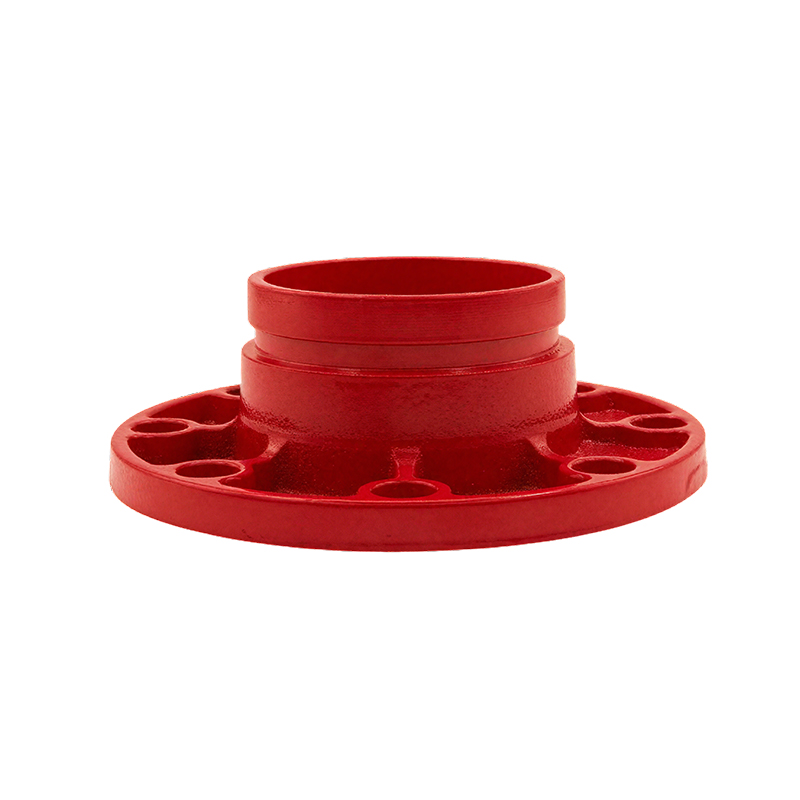
Understanding different corrosion mechanisms helps engineers select suitable materials and protective solutions.
Uniform corrosion occurs evenly across the metal surface.
This is common in outdoor environments where moisture and oxygen continuously react with metal surfaces.
Pitting creates small but deep holes in the material.
This type of corrosion is especially dangerous because it may weaken fittings without obvious surface damage.
Pitting often occurs in:
Chloride-rich environments
Marine systems
Chemical processing plants
Galvanic corrosion occurs when two dissimilar metals come into electrical contact in the presence of moisture.
Improper material combinations in piping systems may accelerate metal deterioration.
Chemical corrosion results from direct exposure to aggressive substances such as:
Acids
Alkalis
Solvents
Industrial chemicals
Chemical processing systems require carefully selected corrosion-resistant fitting materials.
Several environmental conditions influence fitting durability.
Outdoor piping systems face continuous exposure to:
Rainwater
UV radiation
Temperature fluctuations
Humidity
Air pollution
These conditions accelerate oxidation and material degradation.
A trusted Pipe Fittings Manufacturer China supplier like HuLu helps customers select suitable materials for outdoor applications.
Saltwater environments are especially corrosive because chlorides aggressively attack metal surfaces.
Marine applications often require advanced corrosion-resistant materials and coatings.
The concentration, temperature, and flow rate of chemicals directly affect corrosion speed.
Highly aggressive chemical systems require specialized fitting materials for long-term reliability.
Different materials provide different levels of corrosion protection.
Stainless steel is one of the most popular corrosion-resistant materials.
Advantages include:
Excellent rust resistance
Strong chemical stability
Good temperature performance
Long service life
Stainless steel fittings are widely used in:
Chemical plants
Food processing
Pharmaceutical systems
Marine applications
Grades such as 304 and 316 stainless steel are especially common.
Carbon steel offers high strength but lower natural corrosion resistance.
To improve durability, carbon steel fittings often require:
Galvanizing
Epoxy coatings
Protective painting
Corrosion inhibitors
Carbon steel is commonly used when mechanical strength is prioritized.
Ductile iron provides strong mechanical performance for water and infrastructure systems.
However, protective linings and coatings are often necessary for corrosion protection.
Common coating options include:
Cement lining
Bituminous coating
Epoxy coating
In highly corrosive chemical systems, non-metallic fittings may offer advantages.
Materials such as:
PVC
CPVC
PTFE
FRP composites
provide strong resistance against many chemicals.
However, pressure and temperature limitations must also be considered.
Protective coatings significantly improve pipe fitting durability.
Galvanization adds a zinc layer that protects steel from moisture and oxygen exposure.
Galvanized fittings are commonly used in:
Outdoor plumbing
Water systems
Construction projects
Epoxy coatings provide strong chemical and moisture resistance.
They are widely used in:
Industrial pipelines
Water treatment systems
Chemical transport applications
Powder coatings improve weather resistance and surface durability for outdoor applications.
Temperature often accelerates corrosion reactions.
Elevated temperatures increase chemical reaction speed, which may worsen material degradation.
This is especially important in:
Petrochemical systems
Steam pipelines
Industrial processing plants
Temperature cycling may cause coating cracks or material stress, exposing surfaces to corrosion.
Engineers must evaluate both thermal and chemical conditions during fitting selection.
Reliable fittings should comply with recognized industry standards.
Salt spray testing
Chemical immersion testing
Pressure testing
Material composition analysis
Coating adhesion testing
An experienced Pipe Fittings Manufacturer China supplier ensures products meet international quality and corrosion resistance standards.
HuLu focuses on manufacturing durable pipe fittings suitable for demanding industrial environments.
Several factors should be evaluated during material selection.
Consider:
Moisture exposure
Chemical concentration
Outdoor weather conditions
Saltwater exposure
Operating temperature
Some corrosion-resistant materials may have lower pressure or temperature tolerance.
Balancing mechanical performance and corrosion resistance is essential.
Higher-quality corrosion-resistant fittings may reduce:
Repair frequency
Downtime
Replacement costs
Operational risks
Long-term durability often provides better overall value.
Low-cost materials may fail quickly in harsh environments, leading to higher lifetime expenses.
Different chemicals react differently with metals and coatings.
Proper compatibility analysis is essential.
Outdoor conditions such as humidity and salt exposure can significantly shorten fitting lifespan if not properly addressed.
A reliable Pipe Fittings Manufacturer China supplier offers:
Material selection guidance
Corrosion-resistant coating options
International quality certification
Custom engineering solutions
Stable product quality
HuLu supports global customers with durable pipe fitting solutions for industrial, outdoor, and chemical applications.
Corrosion resistance is one of the most important considerations when selecting pipe fittings for outdoor and chemical environments. Moisture, chemicals, salt exposure, and temperature changes can all affect fitting durability and system safety.
By carefully evaluating material selection, protective coatings, environmental conditions, and operating requirements, engineers can significantly improve system reliability and reduce long-term maintenance costs. As a trusted Pipe Fittings Manufacturer China, HuLu continues to provide high-quality corrosion-resistant pipe fittings designed for demanding global applications.
Previous: Understanding Uses and Benefits of High Carbon Steel Wire
Next: None.
Copyright:@2020-2021

Comments Please sign in or sign up to post.
0
0 of 500 characters used