
Modern plastics are expected to perform reliably under demanding thermal and environmental conditions. From automotive components and electrical systems to packaging and construction materials, polymers are constantly exposed to heat, oxygen, and mechanical stress. Without proper stabilization, these conditions can rapidly degrade plastic materials, causing brittleness, discoloration, cracking, and loss of mechanical performance.
One of the most important solutions for preventing thermal degradation is the use of Secondary Antioxidant additives. While primary antioxidants directly neutralize free radicals, secondary antioxidants provide another essential layer of protection by decomposing hydroperoxides before they can accelerate oxidation reactions. Together, these stabilizers significantly improve long-term thermal stability and polymer durability.
A Secondary Antioxidant is a polymer stabilizer designed to decompose hydroperoxides formed during oxidation. Hydroperoxides are unstable compounds that can break down into free radicals when exposed to heat, further accelerating polymer degradation.
Secondary antioxidants interrupt this process and help prevent the oxidation chain reaction from spreading.
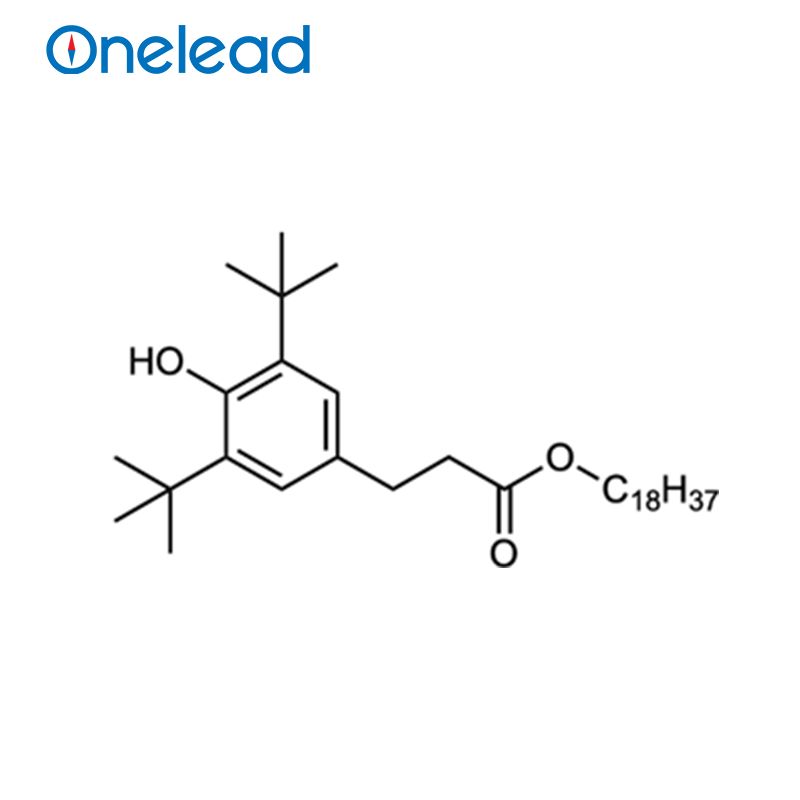
Secondary antioxidants help improve:
· Thermal stability
· Processing performance
· Color retention
· Polymer durability
· Melt flow consistency
· Long-term aging resistance
They are widely used in combination with primary antioxidants to create highly effective stabilization systems.
Thermal stability is critical for maintaining plastic performance during both manufacturing and long-term use.
Plastic manufacturing processes such as:
· Extrusion
· Injection molding
· Blow molding
· Fiber spinning
often involve extremely high temperatures. These conditions generate oxidation reactions within the polymer structure.
Many plastic products continue experiencing thermal stress throughout their service life. Examples include:
· Automotive parts
· Electrical insulation
· Industrial components
· Outdoor construction materials
Without proper antioxidant protection, long-term heat exposure can significantly shorten product lifespan.
Oxidation begins when heat or mechanical stress breaks polymer chains and forms unstable free radicals.
The degradation process typically follows several stages:
1. Formation of free radicals
2. Reaction with oxygen
3. Creation of hydroperoxides
4. Hydroperoxide decomposition
5. Additional radical formation
6. Polymer chain damage
This continuous cycle weakens the plastic material over time.
Secondary antioxidants specifically target hydroperoxides before they decompose into additional radicals. By interrupting this stage, they help slow down overall polymer degradation.
Several categories of secondary antioxidants are widely used in polymer stabilization.
Phosphites are among the most common secondary antioxidants in plastics manufacturing.
· Excellent processing stability
· Improved color protection
· Reduced polymer degradation
· Better melt flow retention
· Effective hydroperoxide decomposition
They are commonly used in polyolefins, engineering plastics, and elastomers.
Thioesters are another important class of secondary antioxidants.
· Long-term heat stabilization
· Synergistic performance with primary antioxidants
· Improved aging resistance
Thioesters are often used in applications requiring extended thermal durability.
Although both antioxidant types protect polymers, their functions differ significantly.
Primary antioxidants:
· Neutralize free radicals directly
· Provide long-term oxidation protection
· Improve thermal aging resistance
Hindered phenols are the most common primary antioxidants.
Secondary antioxidants:
· Decompose hydroperoxides
· Improve processing stability
· Prevent oxidation acceleration
· Enhance color retention
Both antioxidant types work best when combined.
Modern polymer formulations typically use both primary and secondary antioxidants together.
The combination provides several important advantages:
· Better processing stability
· Improved long-term heat resistance
· Enhanced polymer durability
· Reduced discoloration
· Longer product lifespan
Primary antioxidants stop free radical reactions, while secondary antioxidants prevent hydroperoxide decomposition.
This dual protection system is highly effective in demanding thermal environments.
Secondary antioxidants are widely used across many industries where thermal stability is critical.
Automotive plastics face constant exposure to:
· Engine heat
· Sunlight
· Mechanical stress
· Long-term aging
Secondary antioxidants help maintain durability in dashboards, bumpers, electrical systems, and interior materials.
Plastic packaging materials require stable processing performance and long-term flexibility.
Secondary antioxidants improve:
· Film quality
· Transparency
· Color consistency
· Shelf-life stability
Electronic devices generate significant heat during operation. Secondary antioxidants protect cable insulation, connectors, and electronic housings from thermal degradation.
Construction plastics often face outdoor environments with continuous heat exposure. Antioxidants improve the lifespan of:
· Pipes
· Roofing materials
· Insulation products
· Window profiles
Selecting the right secondary antioxidant depends on several important factors.
Different polymers require different stabilization systems. Common polymers include:
· Polyethylene (PE)
· Polypropylene (PP)
· ABS
· Engineering plastics
· Thermoplastic elastomers
High-temperature applications require antioxidants with excellent thermal stability and low volatility.
Products intended for extended service life often require highly efficient antioxidant combinations.
Food packaging, medical products, and consumer goods may require antioxidants that meet specific safety standards.
Recycled plastics are more sensitive to oxidation because they undergo repeated thermal processing cycles.
Secondary antioxidants help recycled polymers maintain:
· Mechanical strength
· Processing stability
· Appearance quality
· Durability
As sustainability becomes more important, advanced antioxidant technologies are playing a growing role in recycled polymer applications.
The plastics industry continues developing new antioxidant technologies that offer:
· Higher stabilization efficiency
· Better environmental compatibility
· Improved recyclability
· Lower VOC emissions
· Longer-lasting plastic performance
Advanced stabilization systems are becoming increasingly important for modern high-performance polymers.
Companies like Onelead continue supporting the plastics industry with innovative antioxidant solutions designed to improve thermal stability and extend polymer lifespan.
Secondary Antioxidant additives play a critical role in improving long-term thermal stability in plastics. By decomposing hydroperoxides before they generate additional free radicals, these stabilizers help slow polymer oxidation and protect material performance.
Although secondary antioxidants mainly improve processing stability and heat resistance, they are most effective when combined with primary antioxidants. Together, they create powerful stabilization systems that enhance durability, reduce degradation, and extend the lifespan of plastic products across many industries.
As polymer applications continue expanding into more demanding environments, secondary antioxidants will remain essential for ensuring reliable long-term plastic performance.
Previous: How to Choose a Reliable Potassium Peroxymonosulfate Manufacturer in China
Next: Growth of Construction and Waterproofing Sectors Boosts Emulsion Procurement
Copyright:@2020-2021

Comments Please sign in or sign up to post.
0
0 of 500 characters used