
Energy consumption is one of the most important factors businesses consider when investing in Industrial Ice Machines. Whether used in food processing, fishing, hospitality, healthcare, or supermarkets, industrial ice machines often operate continuously for long hours. As a result, electricity usage and operating costs can significantly affect overall profitability.
Modern businesses are increasingly focused on energy-efficient equipment that reduces utility expenses while maintaining stable ice production. Daxtro specializes in advanced ice machine solutions designed to optimize performance, minimize energy consumption, and lower long-term operating costs.
This article explains energy efficiency ratings, operating cost factors, and how to compare industrial ice machines for better long-term value.
Industrial ice production requires substantial electrical power for compressors, condensers, pumps, and cooling systems. Inefficient equipment can lead to:
· High electricity bills
· Increased maintenance costs
· Reduced equipment lifespan
· Greater environmental impact
Energy-efficient Industrial Ice Machines help businesses reduce operational expenses while maintaining reliable ice production capacity.
For industries with 24-hour operations, even small efficiency improvements can result in significant annual savings.
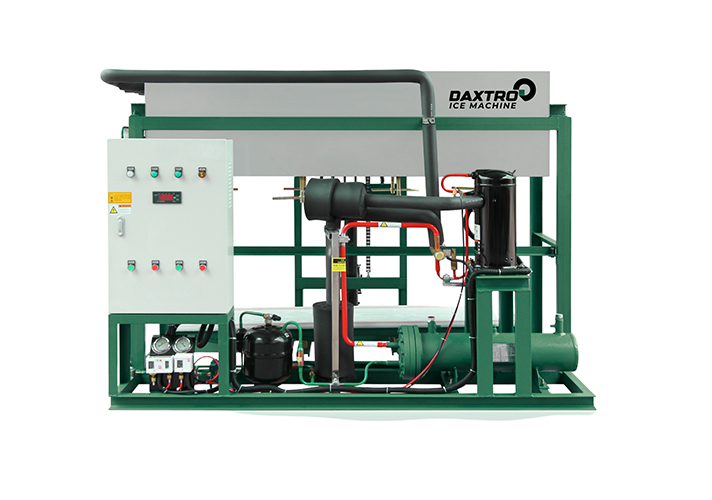
Energy efficiency ratings help buyers compare the performance of different ice machine models.
An energy efficiency rating measures how effectively a machine converts electricity into ice production.
This measures how much electricity is required to produce a specific amount of ice.
Lower energy usage per ton indicates better efficiency.
This shows how much ice the machine can generate using one unit of electricity.
Higher ice output per kWh means the machine operates more efficiently.
High-efficiency compressors reduce energy waste during cooling cycles.
Daxtro designs Industrial Ice Machines with optimized compressor systems to improve energy utilization and reduce operating costs.
Operating costs involve more than just electricity consumption. Several factors influence the total cost of running an ice machine.
The compressor is the largest energy-consuming component in most industrial ice systems.
Modern compressors help:
· Lower power consumption
· Improve cooling speed
· Reduce overheating risk
· Extend machine lifespan
Variable-speed compressors are especially effective because they adjust power output according to demand.
The type of cooling system greatly affects energy efficiency.
Air-cooled ice machines use surrounding air to remove heat.
· Easier installation
· Lower water usage
· Lower upfront cost
· Reduced efficiency in hot environments
· Higher energy use during high ambient temperatures
Water-cooled systems use water circulation for heat removal.
· Stable performance in hot climates
· Higher cooling efficiency
· Higher water consumption
· More complex installation
Choosing the right cooling system is critical for optimizing Industrial Ice Machines operating costs.
Environmental conditions significantly impact energy consumption.
Hot environments force compressors to work harder, increasing electricity usage.
Insufficient airflow around the machine reduces cooling efficiency.
Warmer water requires more energy to freeze into ice.
Proper installation conditions help maximize machine efficiency and lower operating costs.
Different ice types require different production processes and freezing times.
Cube ice usually requires longer freezing cycles and higher energy usage.
Flake ice is produced faster and often requires less energy per production cycle.
Nugget ice provides moderate energy efficiency with softer ice texture.
Businesses should choose ice types based on both operational needs and energy efficiency goals.
Different industries operate ice machines under different workloads.
Food processing plants often require continuous operation and high ice volumes.
· Long operating hours
· High production capacity
· Hygiene system maintenance
Energy-efficient Industrial Ice Machines can significantly reduce long-term operating expenses in large-scale production environments.
Fishing operations frequently use ice machines in outdoor or marine environments.
· Corrosion protection systems
· Heavy-duty cooling performance
· Continuous operation capability
Machines with efficient compressors and corrosion-resistant materials help reduce maintenance and repair costs.
Hotels, restaurants, and bars usually prioritize presentation and service quality.
· Frequent production cycles
· Compact installation space
· Noise reduction systems
Energy-efficient hospitality ice machines reduce utility expenses while maintaining guest satisfaction.
Poor maintenance can quickly reduce the efficiency of Industrial Ice Machines.
· Dirty condensers
· Scale buildup
· Blocked airflow
· Worn compressor components
· Stable ice production
· Lower energy consumption
· Extended equipment lifespan
· Reduced repair costs
Daxtro recommends scheduled maintenance to maintain peak efficiency.
Modern industrial ice machines often include intelligent energy-saving technologies.
Machines can reduce production during low-demand periods.
Optimized cooling cycles reduce unnecessary energy consumption.
Operators can monitor machine performance and identify inefficiencies quickly.
These technologies improve both productivity and operational cost management.
Many businesses focus only on the purchase price when comparing machines.
A cheaper machine with poor efficiency may result in:
· Higher electricity bills
· More repairs
· Shorter lifespan
· Lower utility costs
· Reduced maintenance expenses
· Better long-term ROI
· Improved environmental sustainability
Investing in high-quality Industrial Ice Machines often provides greater long-term value.
Daxtro develops advanced industrial ice systems designed for performance, reliability, and energy efficiency.
Key advantages include:
· High-efficiency compressor systems
· Optimized cooling technology
· Durable industrial-grade materials
· Stable ice production performance
· Lower long-term operating costs
Their solutions help businesses improve productivity while reducing energy consumption.
Energy efficiency plays a major role in the long-term operating cost of industrial ice production systems. Compressor performance, cooling method, environmental conditions, ice type, and maintenance all influence electricity consumption and overall cost efficiency.
When selecting Industrial Ice Machines, businesses should evaluate both energy efficiency ratings and long-term operating expenses rather than focusing only on initial purchase price. With advanced engineering and energy-saving technologies, Daxtro provides reliable ice machine solutions designed for cost-effective and sustainable industrial operation.
Previous: Induction Cooktop vs. Ceramic Cooktop: Energy Efficiency with Their Own Strengths
Next: Top 10 Recommended Drink Filling Machines for Summer High-Yield Production
Copyright:@2020-2021

Comments Please sign in or sign up to post.
0
0 of 500 characters used