
Choosing the right Cross-Stitch Thread can be overwhelming. With so many options available, it can be hard to know which type is best for your project. Cross-stitch thread comes in different materials, colors, and thicknesses. This variety can affect your embroidery's final look and feel. Additionally, picking a thread that suits your skill level and project type is essential. Understanding the different types of threads can help you create stunning works of art.
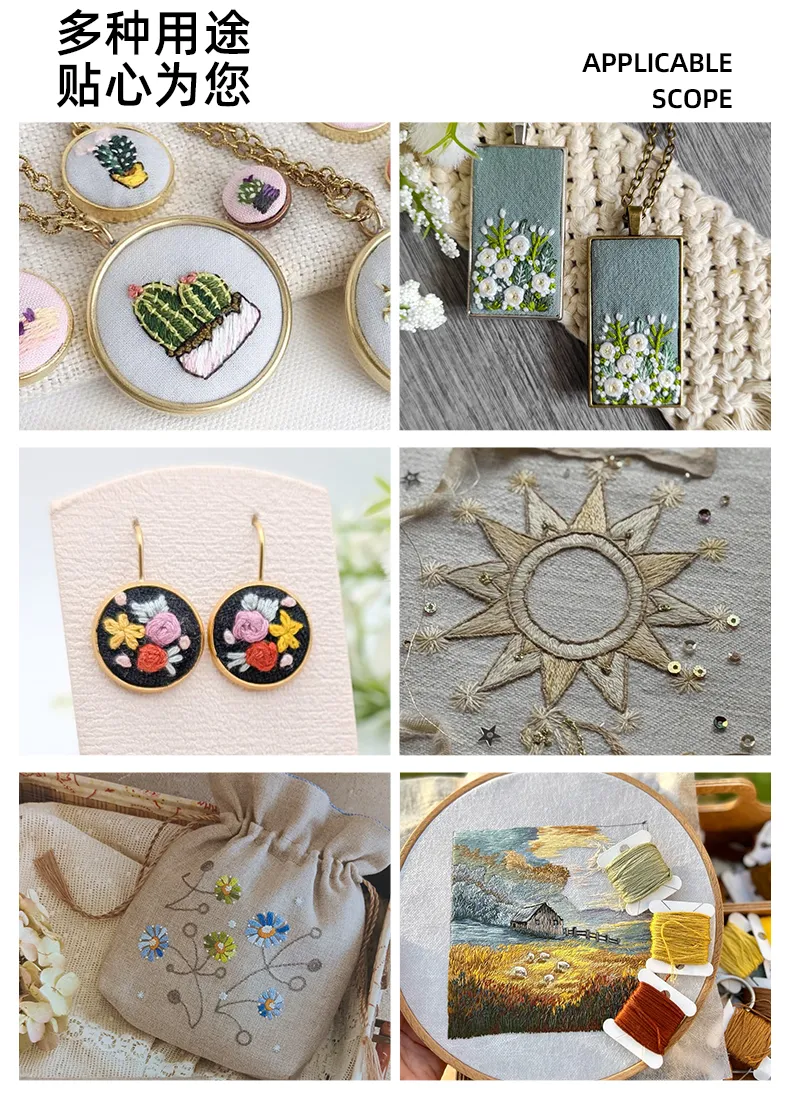
There are various types of embroidery threads for cross-stitch, including cotton, silk, acrylic, and more, each offering unique properties for different embroidery projects.
Cotton thread is the most popular choice. It is durable and available in many colors. Cotton threads are easy to find and affordable. They are suitable for beginners. Cotton threads provide a matte finish, which enhances the design.
Silk threads are luxurious and offer a shiny finish. They are thinner than cotton threads, making them ideal for fine details. However, silk threads can be more expensive. Care needs to be taken while using silk, as it can fray easily.
Acrylic thread is synthetic and very affordable. It is available in a wide range of colors. While not as soft as cotton, it is durable and easy to work with. It is good for beginners who are experimenting with different styles.
Wool thread is thicker and gives a beautiful texture to projects. It is best for winter-themed designs or items that need warmth. Wool is less common for cross-stitch but can be an excellent choice for unique projects.
Metallic thread adds sparkle to designs. It is often used for special effects or accents. While it looks stunning, metallic thread can be difficult to use. It tends to fray and tangle easily, requiring patience.
Specialty threads can include variegated or hand-painted options. They offer unique color shades and textures. Using these threads can add an artistic flair to your cross-stitch projects. They can be more challenging to work with but can elevate your designs.
Understanding the different types of embroidery threads for cross-stitch is crucial for choosing the right material for your project. Cotton, silk, acrylic, wool, metallic, and specialty threads each provide their unique benefits and challenges. Choosing wisely can help you achieve your desired outcome and enjoy the stitching process.
What is the best thread for beginners?
Cotton thread is the best choice for beginners due to its availability and ease of use.
Can I mix different types of threads in one project?
Yes, mixing threads can create interesting textures and effects, but it is essential to consider their unique properties, such as thickness and finish.
How do I prevent my thread from tangling?
To prevent tangling, always store threads properly and avoid pulling on the thread excessively while stitching.
Previous: EMF Shielding Fabric Selection for Clothing vs Industrial Use
Next: Why Certifications Matter When Selecting a Knitted Fabric Manufacturer
Copyright:@2020-2021

Comments Please sign in or sign up to post.
0
0 of 500 characters used