
The demand for sustainable solutions in various industries has never been higher. Sustainable barrier coatings are at the forefront of this movement, providing effective protection for a variety of applications while significantly minimizing environmental impact. With increasing urgency for eco-friendly alternatives, the emergence of barrier coatings offers practical solutions to everyday sustainability challenges. Not only do these coatings enhance performance, but they also address critical industry pain points in environmental safety, longevity, and resource efficiency, positioning themselves as essential innovations in modern manufacturing.
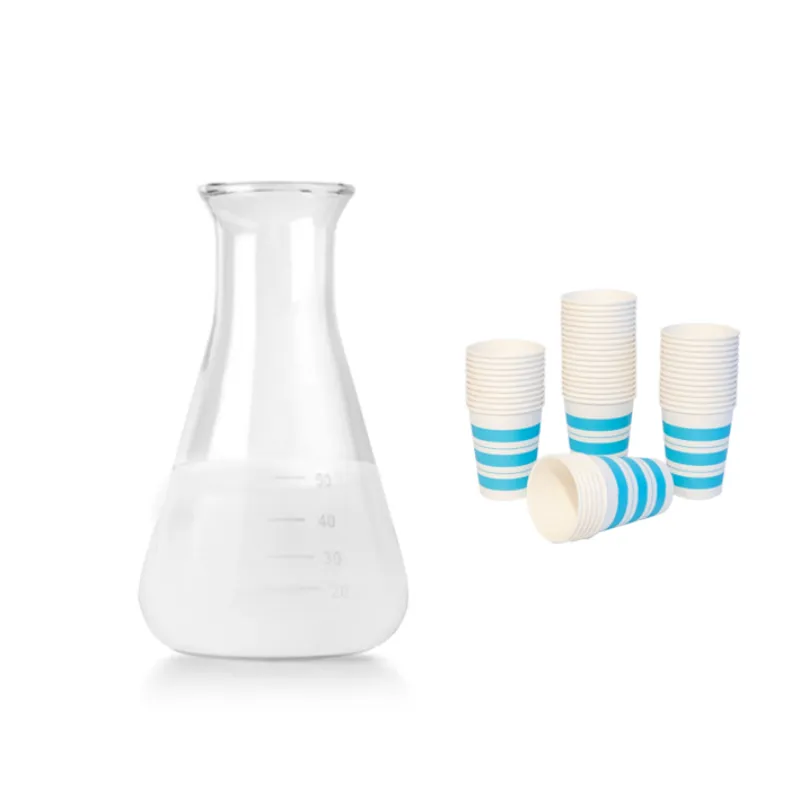
Sustainable barrier coatings are advanced materials applied to surfaces to protect them from environmental stressors such as moisture, chemicals, and extreme temperatures. These coatings are often made from sustainable materials that reduce ecological footprints. In industry terms, a "barrier coating" effectively means a protective layer that prevents the transmission of air, moisture, or contaminants while maintaining the integrity of the substrate material underneath.
Key terms to consider include:
Hydrophobic Properties: These coatings repel water, preventing corrosion and degradation.
Biodegradability: Many sustainable coatings are designed to break down naturally, reducing waste and pollution.
Membrane Technology: Advanced coatings utilize selective permeability to allow necessary gases while blocking harmful substances.
Sustainable barrier coatings can be utilized across a wide range of industries, including:
Food Packaging: These coatings prevent moisture and oxygen from compromising the quality and shelf-life of food products. Studies show that implementing barrier coatings can extend shelf life by up to 50%.
Construction: In building materials, coatings provide additional weather resistance and durability, leading to up to a 30% increase in lifespan for exposed materials.
Automotive: In the automotive industry, barrier coatings protect against corrosion and wear, helping manufacturers meet sustainability targets while extending the life of vehicles.
Textiles: Used in clothing and upholstery, these coatings improve water resistance without sacrificing breathability, making garments more durable.
Sustainable barrier coatings offer several significant advantages:
Environmental Protection: By minimizing the release of harmful chemicals into the environment, these coatings contribute to cleaner ecosystems. For instance, studies indicate that switching to sustainable options can reduce harmful emissions by 35%.
Cost Efficiency: While some sustainable coatings may have a higher upfront cost, their durability can lead to savings over time by reducing the need for frequent replacements, with lifecycle costs decreasing by approximately 20% in high-wear applications.
Health Safety: Many traditional coatings contain volatile organic compounds (VOCs) that can be hazardous to health. Sustainable options are often low-VOC or VOC-free, posing significantly less risk to human health.
To fully understand and implement sustainable barrier coatings, consider reading user guides and case studies that detail the various materials and applications available. Brands like HumenChem offer detailed resources on the latest innovations in sustainable barrier coatings, helping you make educated choices for your needs.
Previous: How to Bond Aluminum Composite Panels Without Formaldehyde
Next: Dingnuo Polymer - Your Reliable Partner for PVC Raw Materials & Additives
Copyright:@2020-2021

Comments Please sign in or sign up to post.
0
0 of 500 characters used