
As mobile internet connectivity becomes increasingly important for RV owners, overlanders, fleet operators, and marine users, the demand for reliable Starlink Mini Mounts continues to grow. Buyers are no longer focused solely on ease of installation; they are also paying close attention to load ratings, vibration resistance, and long-term durability.
Whether mounted on a vehicle roof, RV ladder, boat rail, or portable platform, Starlink Mini equipment must remain stable in challenging environments. As a result, manufacturers such as Astarkits are seeing more inquiries about engineering validation, testing standards, and performance certifications.
In this article, we explore the latest load rating and vibration testing trends that buyers frequently ask about when evaluating Starlink Mini mounting solutions.
A load rating indicates the maximum force or weight a mount can safely support without structural failure or excessive deformation. For buyers, load ratings provide confidence that the mount will perform reliably in real-world conditions.
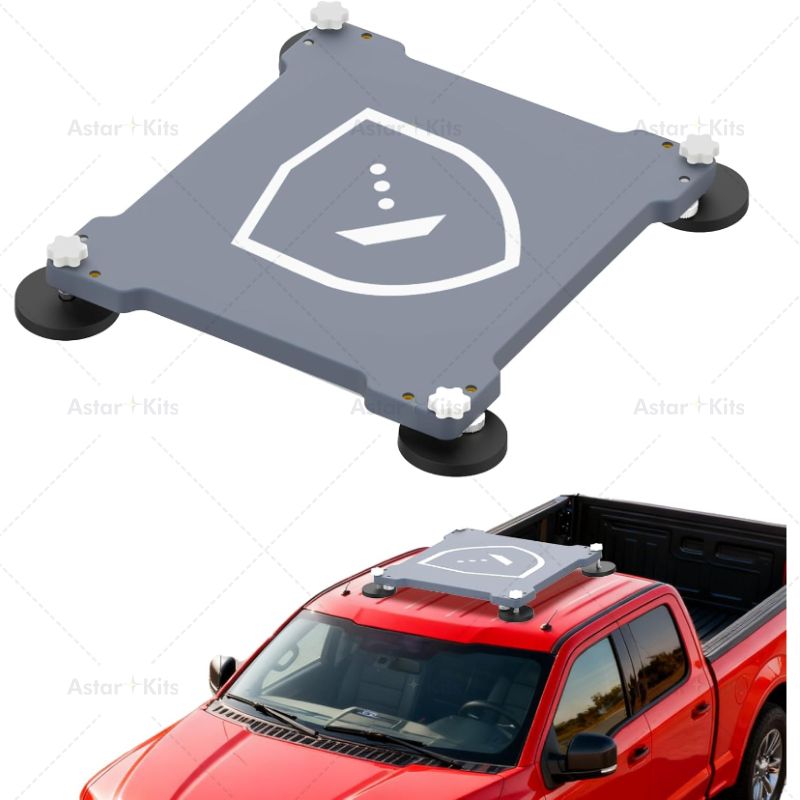
Many buyers mistakenly focus only on the weight of the Starlink Mini terminal itself. However, mounting systems must withstand both static and dynamic loads.
Static loads include:
· Weight of the Starlink Mini unit
· Mounting hardware
· Additional accessories
Dynamic loads include:
· Wind pressure during travel
· Road vibrations
· Sudden braking or acceleration
· Impact from potholes or rough terrain
A mount designed only for static loads may fail prematurely when exposed to repeated dynamic stresses.
Professional buyers, fleet managers, and distributors increasingly request documented load specifications before making purchasing decisions.
Common questions include:
· What is the maximum supported load?
· Has the mount been tested under highway-speed conditions?
· What safety factor was used in the design?
· Can the mount support additional accessories?
Manufacturers that provide clear engineering data often gain a competitive advantage.
Vibration testing has become one of the most requested validation procedures for Starlink Mini Mounts.
Since many users install Starlink Mini systems on moving vehicles, vibration resistance directly affects service life and connectivity performance.
Continuous vibration can gradually loosen fasteners, weaken joints, and accelerate material fatigue.
Potential issues include:
· Bolt loosening
· Cracked brackets
· Deformed mounting arms
· Signal interruptions caused by movement
For users traveling thousands of miles annually, vibration resistance is often more important than simple load capacity.
Different applications generate different vibration patterns.
RV-mounted Starlink systems experience:
· Highway vibration
· Uneven road surfaces
· Crosswind movement
Overlanding and adventure vehicles face:
· Extreme terrain impacts
· Continuous chassis flex
· High-frequency vibration
Boat installations encounter:
· Engine vibration
· Wave impact forces
· Constant oscillation
These demanding conditions are driving buyers to request more comprehensive testing data.
Modern buyers increasingly seek evidence-based performance validation rather than marketing claims.
Road simulation tests reproduce the vibrations experienced during vehicle travel.
Testing often includes:
· Multi-axis vibration cycles
· Simulated highway conditions
· Long-duration fatigue evaluation
These tests help identify weak points before products reach customers.
Fatigue testing measures how well a mount withstands repeated loading over time.
Buyers often ask:
· How many vibration cycles were completed?
· Were there any structural failures?
· Did hardware loosen during testing?
Products that survive extended fatigue testing generally offer greater reliability in the field.
Wind pressure creates significant forces on mounted equipment.
Highway travel at speeds of 65–80 mph can expose mounts to substantial aerodynamic stress.
As a result, buyers increasingly request information about:
· Wind resistance ratings
· Highway-speed validation
· Aerodynamic design improvements
The materials used in Starlink Mini Mounts play a major role in load capacity and vibration resistance.
Aluminum remains a popular choice because it offers:
· Lightweight construction
· Corrosion resistance
· Good strength-to-weight ratio
Many premium mounts use CNC-machined aluminum components to improve durability.
Buyers frequently request stainless steel fasteners because they provide:
· Excellent corrosion resistance
· Long-term structural integrity
· Reduced maintenance requirements
Some manufacturers incorporate engineering-grade composites to reduce weight while maintaining structural performance.
These materials can also help absorb vibration energy, reducing stress on the mounting system.
The market for Starlink Mini accessories is becoming increasingly sophisticated.
Buyers now expect manufacturers to provide:
Professional procurement teams often request:
· Load test reports
· Material specifications
· CAD drawings
· Engineering certifications
Laboratory testing is important, but buyers also want evidence from actual use cases.
Examples include:
· Long-distance RV travel
· Commercial fleet deployments
· Marine installations
· Off-road expeditions
Many purchasers evaluate total cost of ownership rather than initial purchase price.
A mount that lasts for years with minimal maintenance often delivers greater value than a cheaper alternative requiring replacement.
As demand for high-performance Starlink Mini Mounts continues to increase, Astarkits focuses on engineering solutions that address real-world deployment challenges.
By emphasizing durable materials, secure fastening systems, robust load capacity, and vibration-resistant designs, Astarkits helps customers achieve reliable Starlink Mini installations across vehicle, RV, and marine applications.
The company's commitment to product quality aligns with the growing market trend toward data-driven purchasing decisions and performance verification.
Load rating and vibration testing have become critical evaluation criteria for today's Starlink Mini mount buyers. As installations move beyond stationary environments into vehicles, RVs, boats, and off-road platforms, mounting systems must withstand increasingly demanding conditions.
Modern buyers want more than convenience—they want proven performance. Published load ratings, fatigue testing results, vibration validation, and material quality all play a key role in purchasing decisions.
For manufacturers like Astarkits, meeting these expectations through robust engineering and transparent testing practices is essential for building customer trust and long-term market success in the rapidly expanding Starlink Mini accessories industry.
Previous: Upright Walker vs Traditional Walker: Posture and Mobility Benefits Compared
Next: How to Troubleshoot Common Issues in AC Powered Tracker Controllers
Copyright:@2020-2021

Comments Please sign in or sign up to post.
0
0 of 500 characters used