
Metal composite panels (MCPs) have become a preferred material in modern construction, transportation, signage, and industrial manufacturing. Their combination of lightweight design, structural strength, corrosion resistance, and aesthetic appeal makes them ideal for a wide range of applications. However, the long-term performance of these panels largely depends on selecting the right metal composite panel bonding adhesive.
Choosing an adhesive is not simply about sticking materials together. The right bonding solution can improve panel durability, increase production efficiency, and reduce maintenance costs over time. This guide explores the most common adhesive types used in metal composite panel manufacturing and how to select the best option for your project.
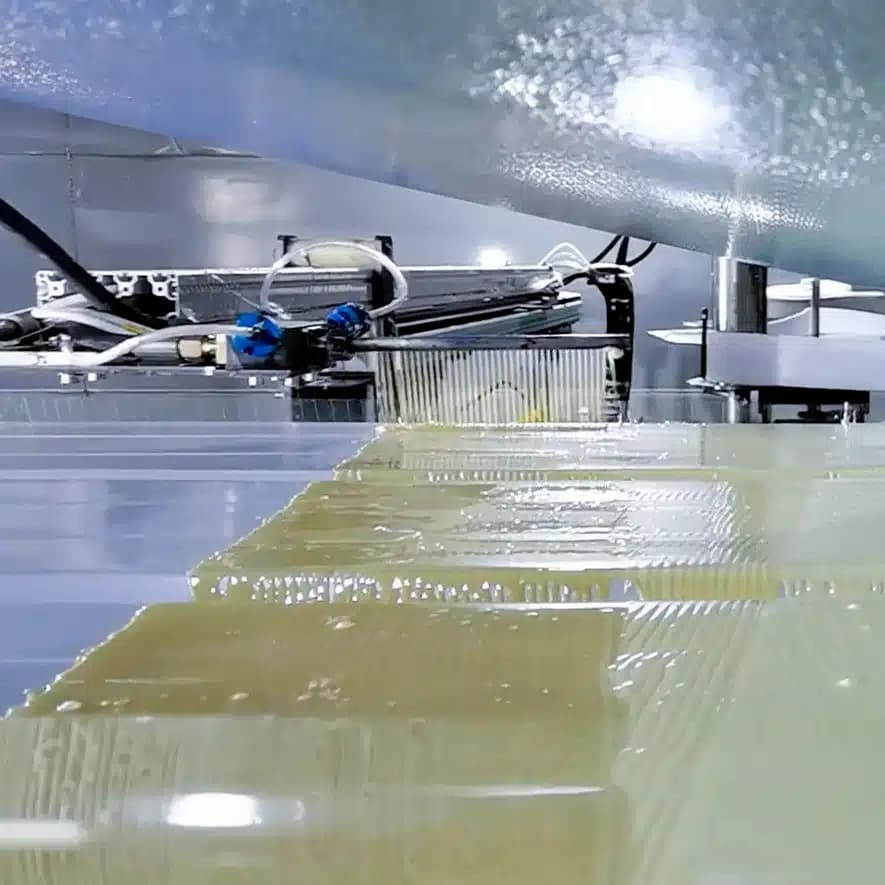
Metal composite panels typically consist of metal skins bonded to a core material such as:
· Polyethylene (PE)
· Fire-retardant mineral core
· Honeycomb structures
· Polyurethane foam
· Insulation materials
The adhesive serves as the critical connection between these layers. A poor-quality adhesive can lead to:
· Delamination
· Reduced structural integrity
· Moisture penetration
· Thermal expansion failures
· Shortened product lifespan
A high-performance metal composite panel bonding adhesive ensures that the panel remains strong, stable, and durable throughout its service life.
The adhesive must provide strong adhesion between metal surfaces and core materials. High peel and shear strength are essential for maintaining panel integrity under stress.
Exterior applications require adhesives that can withstand:
· UV exposure
· Rain and humidity
· Temperature fluctuations
· Wind loads
· Freeze-thaw cycles
Metal panels naturally expand and contract due to temperature changes. Adhesives with good flexibility can absorb this movement without cracking or losing adhesion.
Manufacturers often prioritize adhesives that support:
· Fast curing times
· Automated production lines
· Consistent application
· Reduced material waste
Sustainable manufacturing practices are driving demand for low-VOC and environmentally friendly adhesive technologies.
Polyurethane adhesives remain one of the most widely used solutions for metal composite panel production.
· Excellent bond strength
· Strong flexibility
· Moisture resistance
· Good weather durability
· Building façades
· Insulated wall panels
· Roofing systems
· Architectural cladding
PU adhesives offer an excellent balance between performance and production efficiency.
Reactive hot melt adhesives combine the benefits of hot melt processing with the durability of polyurethane chemistry.
· Fast curing speeds
· High production efficiency
· Strong structural bonding
· Excellent moisture resistance
· High-volume manufacturing
· Automated panel production
· Continuous lamination processes
These adhesives are increasingly popular among manufacturers seeking higher productivity.
MS polymer adhesives are gaining attention as environmentally friendly bonding solutions.
· Solvent-free formulations
· Low VOC emissions
· Excellent UV resistance
· Strong adhesion to multiple substrates
· Sustainable building materials
· Exterior architectural panels
· Green construction projects
MS polymer technology supports both performance and environmental goals.
Epoxy systems are known for exceptional mechanical strength and durability.
· High structural strength
· Excellent chemical resistance
· Strong heat resistance
· Long service life
· Industrial equipment
· Transportation components
· High-load structural panels
Although curing times may be longer, epoxy adhesives deliver outstanding performance in demanding environments.
Acrylic adhesives are widely used when fast processing and strong metal bonding are required.
· Rapid fixture times
· Excellent impact resistance
· Minimal surface preparation
· Strong metal adhesion
· Signage panels
· Transportation assemblies
· Lightweight composite structures
Their ability to bond metals quickly makes them attractive for high-speed production environments.
Exterior wall systems require adhesives that offer:
· UV resistance
· Weather durability
· Flexibility
Polyurethane and MS polymer adhesives are often the preferred choices.
When production efficiency is a priority, reactive hot melt polyurethane adhesives provide fast processing and reliable performance.
Industrial applications often require maximum strength and chemical resistance. Epoxy adhesives are frequently selected for these demanding conditions.
Projects focused on environmental certifications benefit from low-VOC and solvent-free adhesive technologies such as MS polymers and advanced polyurethane systems.
Before bonding:
· Remove dust and debris
· Eliminate grease and oil
· Ensure surfaces are clean and dry
Proper preparation significantly improves adhesive performance.
Each adhesive system has specific recommendations regarding:
· Application temperature
· Open time
· Cure time
· Storage conditions
Following these guidelines helps ensure consistent bonding quality.
Manufacturers should test adhesive performance under actual operating conditions to verify compatibility with materials and environmental requirements.
As composite panel technology evolves, manufacturers require adhesive partners that deliver both innovation and reliability. YouXing Shark provides advanced adhesive solutions specifically designed for metal composite panel production.
Key advantages include:
· Strong and durable bonding performance
· Compatibility with various core materials
· Excellent weather resistance
· Low-emission formulations
· Support for automated manufacturing processes
By selecting the appropriate adhesive technology, manufacturers can improve product quality, reduce production challenges, and enhance long-term customer satisfaction.
Selecting the right metal composite panel bonding adhesive is one of the most important decisions in composite panel manufacturing. Factors such as bond strength, flexibility, weather resistance, environmental compliance, and production efficiency all play a role in determining the best solution.
Whether using polyurethane, reactive hot melt, MS polymer, epoxy, or acrylic systems, manufacturers should carefully evaluate their application requirements before making a choice. With trusted adhesive partners like YouXing Shark, companies can achieve stronger bonds, higher production efficiency, and long-lasting performance in today's competitive metal composite panel market.
Copyright:@2020-2021

Comments Please sign in or sign up to post.
0
0 of 500 characters used