
A 2 component polyurethane adhesive is widely used in industries such as composite panel manufacturing, construction, transportation, furniture production, and insulation systems. Known for its excellent bond strength, flexibility, and durability, this adhesive offers superior performance when applied correctly.
However, unlike one-component adhesives that are ready to use, two-component polyurethane systems require precise mixing and proper application techniques to achieve optimal results. Incorrect mixing ratios or poor application practices can lead to weak bonds, incomplete curing, and costly production issues.
In this guide, we explain how to properly mix and apply a 2 component polyurethane adhesive to maximize bonding performance and ensure long-term reliability.
A two-component polyurethane adhesive consists of two separate parts:
The resin provides the primary adhesive properties and contributes to flexibility, durability, and bonding strength.
The hardener, often containing isocyanate-based chemistry, reacts with the resin to initiate curing.
When mixed together, the two components create a chemical reaction that forms a strong and durable bond.
Because curing occurs through a controlled chemical process rather than relying on ambient moisture, two-component polyurethane adhesives offer predictable performance across a wide range of manufacturing conditions.
The performance of a 2 component polyurethane adhesive depends heavily on maintaining the correct resin-to-hardener ratio.
Improper mixing can result in:
· Incomplete curing
· Reduced bond strength
· Surface tackiness
· Delamination
· Shortened service life
Even a small deviation from the recommended ratio can negatively impact adhesive performance.
Before starting, carefully review the technical data sheet provided by the adhesive supplier.
Pay close attention to:
Different formulations may require specific weight or volume ratios, such as:
· 100:20
· 100:25
· 100:30
Always follow the manufacturer's recommendations precisely.
Pot life refers to the amount of time the mixed adhesive remains usable before it begins to cure.
Most polyurethane adhesives perform best within specified temperature and humidity ranges.
Understanding these parameters helps ensure consistent results.
Proper surface preparation is essential for strong adhesion.
Remove:
· Dust
· Dirt
· Oil
· Grease
· Moisture
· Loose particles
Contaminated surfaces can significantly reduce bond strength.
Ensure all substrates are dry before application. Excess moisture may interfere with the adhesive's curing process.
Damaged, oxidized, or heavily contaminated surfaces may require additional treatment such as sanding or specialized cleaning.
Accurate measurement is one of the most important factors in successful adhesive application.
Manufacturers should use:
· Precision scales
· Metering pumps
· Automated dosing systems
Accurate measurement minimizes mixing errors and ensures consistent curing.
Never estimate component quantities by eye. Small inaccuracies can cause major performance issues.
Pour the resin and hardener into a clean mixing container according to the specified ratio.
Stir thoroughly until the adhesive achieves a consistent color and texture.
During mixing:
· Scrape the sides of the container
· Mix the bottom thoroughly
· Avoid unmixed pockets
Poorly mixed adhesive can create weak points within the bond line.
Excessive mixing speed can introduce air bubbles.
Air pockets may reduce bond strength and affect final appearance.
Use controlled mixing speeds whenever possible.
Once mixed, the adhesive should be applied within its designated pot life.
Depending on production requirements, common methods include:
· Roller coating
· Spray systems
· Notched trowels
· Automated dispensing equipment
Even adhesive distribution helps ensure:
· Consistent bond strength
· Proper load transfer
· Reliable curing
Avoid excessive adhesive buildup or insufficient coverage.
Open time refers to the period during which bonded components can be assembled after adhesive application.
Exceeding this window may compromise adhesion performance.
After adhesive application, assemble the bonded materials promptly.
Consistent pressure helps:
· Eliminate air gaps
· Improve surface contact
· Promote stronger bonds
Manufacturers should adhere to specified:
· Pressure levels
· Pressing durations
· Temperature requirements
These factors directly influence final bond quality.
Although the adhesive may initially appear solid, full curing often requires additional time.
Moving or stressing bonded parts before complete curing can weaken the bond.
Temperature and humidity influence curing speed.
Maintaining stable conditions helps ensure predictable results.
Manufacturers may perform quality checks before further processing or shipment.
This remains one of the most common causes of adhesive failure.
Incomplete blending can result in uncured areas and inconsistent performance.
Dust, oil, and moisture frequently contribute to bonding problems.
Once the adhesive begins curing in the container, its bonding properties deteriorate rapidly.
Poor contact between substrates can reduce bond strength and increase the risk of delamination.
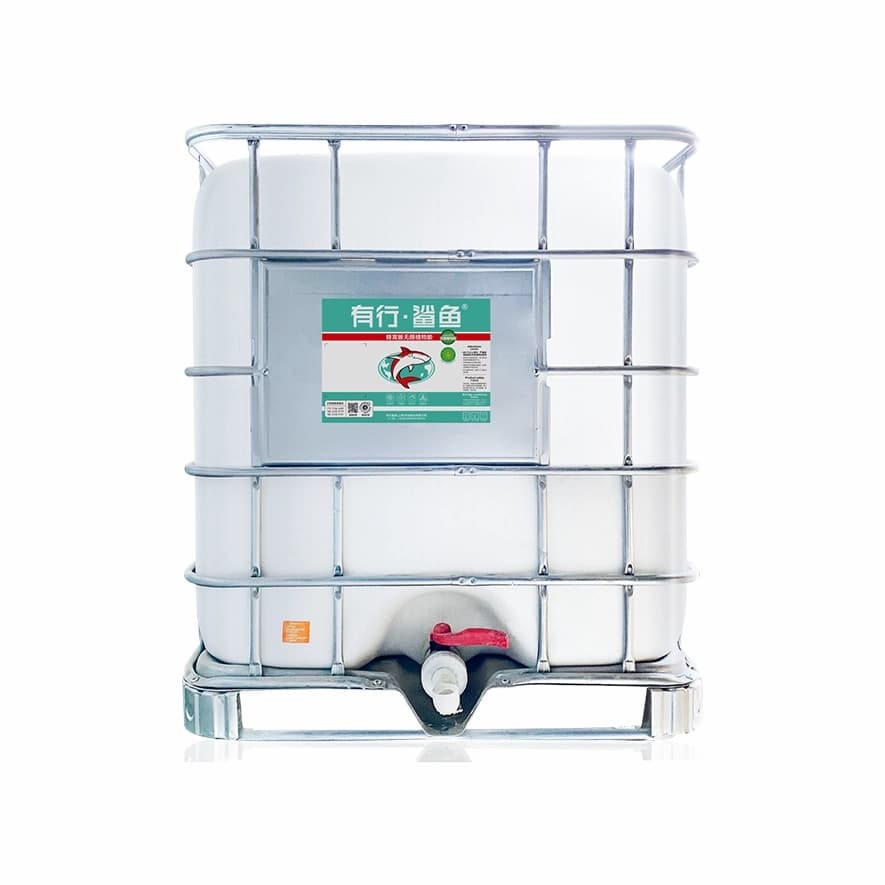
As industries continue to demand stronger and more reliable bonding solutions, YouXing Shark provides advanced 2 component polyurethane adhesive systems designed for modern manufacturing applications.
Key advantages include:
· Excellent structural bonding performance
· Consistent curing behavior
· High durability and weather resistance
· Compatibility with automated production lines
· Technical support for optimized application processes
By combining innovative formulations with strict quality control, YouXing Shark helps manufacturers achieve reliable and efficient bonding results across a variety of industries.
Using a 2 component polyurethane adhesive correctly requires careful attention to mixing ratios, surface preparation, application techniques, and curing conditions. When properly handled, these adhesives deliver exceptional bond strength, durability, and long-term performance.
By following best practices and partnering with trusted suppliers like YouXing Shark, manufacturers can improve product quality, reduce bonding failures, and maximize the benefits of advanced polyurethane adhesive technology.
Previous: Industrial Oxygen Gas Supplier Solutions for Optimizing Glass Production
Next: Top 5 Primary Antioxidants for Polyolefin Stabilization
Copyright:@2020-2021

Comments Please sign in or sign up to post.
0
0 of 500 characters used