
In today's manufacturing environment, industries require adhesive solutions that offer exceptional strength, durability, and versatility. Among the many bonding technologies available, two part polyurethane adhesives have become a preferred choice for demanding industrial applications. Their ability to bond a wide variety of substrates while maintaining excellent mechanical performance makes them indispensable across multiple sectors.
From construction and transportation to renewable energy and furniture manufacturing, two part polyurethane adhesives continue to play a critical role in improving product quality and production efficiency. This article explores the top industrial applications for these high-performance adhesives and explains why they remain a popular choice among manufacturers worldwide.
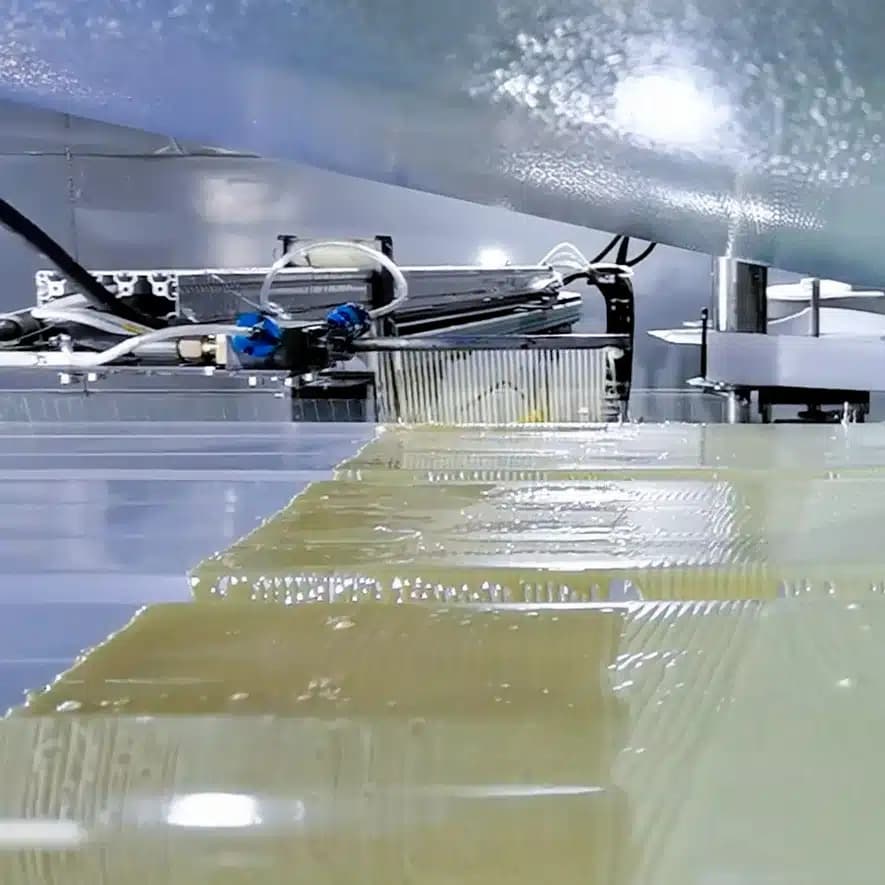
Two part polyurethane adhesives consist of two separate components: a polyurethane resin and a hardener. When mixed in the correct ratio, a chemical reaction occurs, creating a strong and durable bond.
Compared to many traditional adhesives, two part polyurethane adhesives offer:
· High bonding strength
· Excellent flexibility
· Superior impact resistance
· Strong weather resistance
· Good chemical resistance
· Long-term durability
These properties make them suitable for both structural and non-structural bonding applications.
Manufacturers choose polyurethane adhesives because they can effectively bond a wide range of materials, including:
· Metals
· Plastics
· Wood
· Composite panels
· Foam insulation materials
· Fiberglass
This versatility reduces the need for multiple adhesive systems within production environments.
One of the most important applications of two part polyurethane adhesives is in the production of insulated sandwich panels.
These panels are commonly used for:
· Cold storage facilities
· Clean rooms
· Industrial buildings
· Refrigerated transportation
The adhesive creates a strong bond between metal facings and insulation cores, ensuring long-term structural stability.
Modern construction increasingly relies on lightweight composite materials.
Polyurethane adhesives help bond:
· Architectural panels
· Decorative wall systems
· Insulation boards
· Structural composite elements
Their flexibility allows bonded assemblies to withstand thermal expansion and contraction without failure.
Transportation equipment requires adhesives capable of handling vibration, impact, and varying weather conditions.
Two part polyurethane adhesives are widely used for:
· Truck body assembly
· Trailer panel bonding
· Insulated vehicle construction
· Floor panel installation
The resulting bonds provide both strength and flexibility, improving vehicle durability.
RVs contain numerous lightweight composite structures.
Manufacturers use polyurethane adhesives to bond:
· Exterior panels
· Roof assemblies
· Interior components
· Insulation materials
The adhesive's resistance to moisture and temperature changes is particularly beneficial for mobile applications.
Automotive manufacturers continue to reduce vehicle weight while maintaining safety and performance.
Two part polyurethane adhesives support this goal by bonding:
· Composite body panels
· Lightweight structural components
· Interior trim assemblies
· Plastic and metal parts
These adhesives distribute stress more evenly than mechanical fasteners, helping improve overall structural integrity.
The inherent flexibility of polyurethane adhesives helps absorb vibration and reduce noise transmission.
This contributes to:
· Improved passenger comfort
· Enhanced durability
· Reduced fatigue on bonded components
As a result, polyurethane adhesives have become increasingly important in modern vehicle design.
Wind turbine components operate under continuous environmental and mechanical stress.
Two part polyurethane adhesives are used for:
· Composite blade assembly
· Structural reinforcement
· Internal component bonding
Their ability to withstand dynamic loads and outdoor conditions makes them ideal for renewable energy applications.
Solar installations require materials capable of enduring years of exposure to sunlight, moisture, and temperature fluctuations.
Polyurethane adhesives assist in bonding:
· Solar panel frames
· Composite mounting structures
· Protective enclosures
Their durability helps improve the long-term reliability of solar energy systems.
Furniture manufacturers rely on strong and durable bonding solutions for wood-based products.
Common applications include:
· Decorative panels
· Engineered wood products
· Cabinet assembly
· Composite furniture components
Two part polyurethane adhesives create strong bonds while maintaining flexibility to accommodate natural wood movement.
Premium interior design projects often use a combination of materials such as wood, metal, and composites.
Polyurethane adhesives provide reliable bonding between these dissimilar materials while maintaining an attractive finished appearance.
Marine environments expose materials to constant moisture, saltwater, and temperature changes.
Two part polyurethane adhesives are commonly used for:
· Boat panel assembly
· Interior structures
· Composite component bonding
· Deck installations
Their excellent moisture resistance helps ensure long service life in challenging conditions.
Manufacturers of industrial equipment use polyurethane adhesives to assemble:
· Protective panels
· Composite covers
· Equipment housings
· Structural assemblies
The adhesive's impact resistance and flexibility help maintain performance under demanding operating conditions.
Unlike some rigid adhesive systems, polyurethane adhesives combine strength with flexibility.
This provides benefits such as:
· Better stress distribution
· Improved fatigue resistance
· Reduced cracking
· Enhanced impact performance
Industrial products often face harsh conditions.
Two part polyurethane adhesives offer resistance to:
· Moisture
· Temperature fluctuations
· UV exposure
· Chemicals
· Mechanical stress
These characteristics contribute to long-lasting product performance.
Selecting the right adhesive supplier is just as important as selecting the adhesive itself.
YouXing Shark provides high-performance two part polyurethane adhesives designed to meet the needs of modern industrial manufacturers.
Key advantages include:
· Strong and reliable bonding performance
· Excellent compatibility with multiple substrates
· Consistent product quality
· Superior environmental resistance
· Customized solutions for specific industrial applications
These qualities help manufacturers improve production efficiency while ensuring long-term product reliability.
The versatility, durability, and strength of two part polyurethane adhesives make them a critical solution across numerous industries. Whether used in construction, transportation, renewable energy, furniture manufacturing, marine applications, or industrial equipment production, these adhesives deliver dependable performance under demanding conditions.
As manufacturers continue to adopt lightweight materials and advanced composite structures, the demand for high-performance bonding solutions will continue to grow. By partnering with trusted suppliers such as YouXing Shark, companies can access reliable adhesive technologies that support product quality, durability, and long-term success.
Previous: Why Dotp Plasticizer is Essential for Modern Industries
Next: The Importance of HPMC and MHEC in Mortar and Putty -Insights from Hehui Chemical
Copyright:@2020-2021

Comments Please sign in or sign up to post.
0
0 of 500 characters used