
Precision sensors are essential components in modern industries, enabling accurate measurement and monitoring of physical parameters such as pressure, temperature, vibration, and frequency. The performance of these sensors depends heavily on the materials used in their construction. Among various piezoelectric materials, Lithium Tantalate Wafers have gained widespread recognition for their exceptional stability and reliability.
As industries increasingly demand high-precision sensing solutions for harsh and dynamic environments, Lithium Tantalate continues to stand out as a preferred substrate material. This article explores the key stability advantages of Lithium Tantalate Wafers and why they remain critical for precision sensor applications.
Precision sensors often rely on piezoelectric materials to convert mechanical energy into electrical signals and vice versa. The accuracy and consistency of these conversions directly affect sensor performance.
Sensor stability refers to the ability of a device to maintain consistent performance over time and under varying environmental conditions. A stable sensor delivers:
· Reliable measurements
· Reduced calibration requirements
· Improved long-term accuracy
· Better resistance to environmental changes
In applications where even small measurement errors can lead to significant consequences, material stability becomes a critical factor.
The substrate serves as the foundation for many sensor technologies, including:
· Surface Acoustic Wave (SAW) sensors
· Resonators
· Frequency control devices
· Wireless sensing systems
The piezoelectric properties and thermal behavior of the substrate directly influence sensor sensitivity and stability.
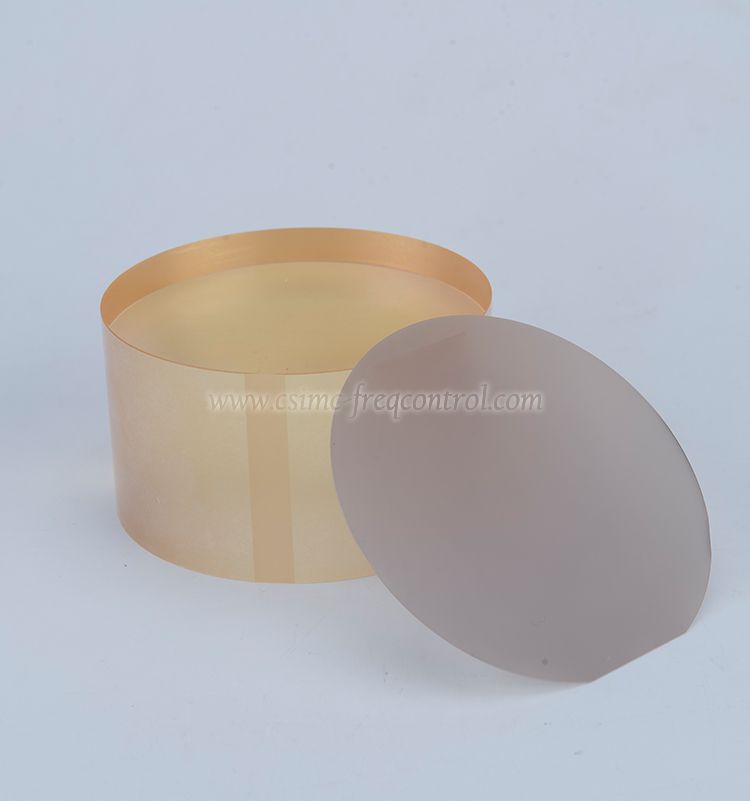
Lithium Tantalate Wafers are single-crystal piezoelectric substrates widely used in acoustic wave devices, sensors, and frequency control components.
These wafers are valued for their:
· High electromechanical coupling coefficient
· Excellent thermal stability
· Strong piezoelectric response
· Reliable long-term performance
· Compatibility with advanced sensor manufacturing processes
Because of these characteristics, Lithium Tantalate has become a leading material choice for precision sensing technologies.
One of the most important advantages of Lithium Tantalate Wafers is their ability to maintain stable performance across a wide temperature range.
Temperature fluctuations can alter the electrical and mechanical properties of many sensor materials, leading to measurement inaccuracies.
Lithium Tantalate helps minimize:
· Frequency drift
· Signal instability
· Sensitivity variation
· Measurement errors
This makes it ideal for applications where temperature conditions are constantly changing.
Precision sensors are often used in:
· Aerospace systems
· Automotive electronics
· Industrial automation
· Energy exploration equipment
Lithium Tantalate's thermal resilience allows sensors to operate reliably even under demanding environmental conditions.
Frequency stability is crucial for sensors that rely on acoustic wave propagation or resonant behavior.
Lithium Tantalate Wafers offer:
· Stable resonant frequencies
· Consistent acoustic wave characteristics
· Low frequency variation over time
These properties improve sensor accuracy and reduce the need for frequent recalibration.
Over time, many electronic materials experience gradual degradation that affects device performance.
Lithium Tantalate exhibits excellent resistance to aging, providing:
· Long-term measurement consistency
· Extended device lifespan
· Reduced maintenance costs
· Improved reliability in mission-critical applications
For industries that require sensors to operate continuously for years, this advantage is particularly valuable.
Precision sensors may experience vibration, shock, or mechanical loading during operation.
Lithium Tantalate Wafers possess strong structural integrity, helping maintain:
· Stable signal output
· Consistent acoustic properties
· Reliable sensor functionality
This durability contributes to overall device robustness.
Many sensors undergo millions of operating cycles throughout their service life.
Lithium Tantalate's crystal structure allows it to maintain stable piezoelectric performance even after prolonged use, ensuring dependable operation in high-demand applications.
Surface Acoustic Wave sensors depend on precise acoustic wave propagation across the substrate surface.
Lithium Tantalate provides:
· Low acoustic loss
· Stable wave velocity
· High signal quality
These characteristics improve sensor precision and repeatability.
Many materials offer high sensitivity but suffer from environmental instability.
Lithium Tantalate achieves a balance between:
· Strong piezoelectric response
· Excellent environmental stability
· Reliable signal generation
This combination is a major reason why it remains widely used in advanced SAW sensor technologies.
Aircraft and defense systems require sensors that function accurately under extreme temperatures and mechanical stress.
Lithium Tantalate-based sensors support:
· Structural health monitoring
· Navigation systems
· Wireless sensing networks
· High-reliability communication equipment
Industrial facilities depend on precise sensor data for safety and efficiency.
Applications include:
· Pressure monitoring
· Vibration analysis
· Predictive maintenance
· Process control systems
The long-term stability of Lithium Tantalate helps ensure accurate monitoring and reduced downtime.
Precision measurement is critical in medical and research environments.
Lithium Tantalate's stable characteristics contribute to:
· Accurate diagnostics
· Laboratory instrumentation
· Advanced sensing technologies
· Scientific data reliability
The performance of precision sensors depends not only on the material itself but also on wafer quality and manufacturing consistency.
CQT provides high-quality Lithium Tantalate Wafers designed to meet the demanding requirements of advanced sensing applications.
Key advantages include:
· High crystal purity
· Precise crystallographic orientation
· Excellent surface quality
· Tight dimensional tolerances
· Consistent production standards
These qualities help manufacturers achieve superior sensor performance, stability, and reliability.
As precision sensing technologies continue to evolve, material stability remains a fundamental requirement for achieving accurate and reliable measurements. Lithium Tantalate Wafers offer outstanding thermal stability, frequency consistency, resistance to aging, and mechanical durability, making them one of the most trusted piezoelectric substrates in the industry.
From aerospace and industrial monitoring to scientific instrumentation and wireless sensing systems, Lithium Tantalate continues to provide the stability needed for next-generation precision sensors. By partnering with trusted suppliers such as CQT, manufacturers can ensure high-quality substrates that support long-term performance and technological innovation.
Previous: Key Wavelength and Transmission Range Factors When Selecting Optical Glass Filters
Next: Design Challenges Engineers Face When Using Lithium Niobate Wafers
Copyright:@2020-2021

Comments Please sign in or sign up to post.
0
0 of 500 characters used