
Selecting the right drilling rig is one of the most important decisions in mining, quarrying, construction, water well drilling, and geotechnical projects. While factors such as rock hardness, site conditions, and budget all play a role, two of the most critical specifications are drilling depth requirements and hole diameter.
The wrong equipment choice can lead to reduced productivity, excessive operating costs, increased wear on drilling tools, and project delays. By understanding how depth and hole size influence drilling performance, project managers can choose the most suitable equipment and maximize return on investment. Working with an experienced Drilling Rigs Supplier such as Haichuang Unite can help ensure the ideal rig selection for specific project requirements.
Every drilling project has unique technical requirements. The required depth and borehole size directly influence the drilling method, rig capacity, power requirements, and overall project efficiency.
Depth and hole diameter affect:
· Penetration rates
· Drilling accuracy
· Fuel consumption
· Tool wear
· Equipment lifespan
Selecting a rig designed for the intended drilling parameters helps improve operational performance and reduce costs.
Different drilling rigs are engineered for different applications.
For example:
· Shallow blast holes require different equipment than deep exploration wells.
· Small-diameter boreholes need different drilling systems than large production holes.
Matching the rig to the project requirements is essential for achieving optimal results.
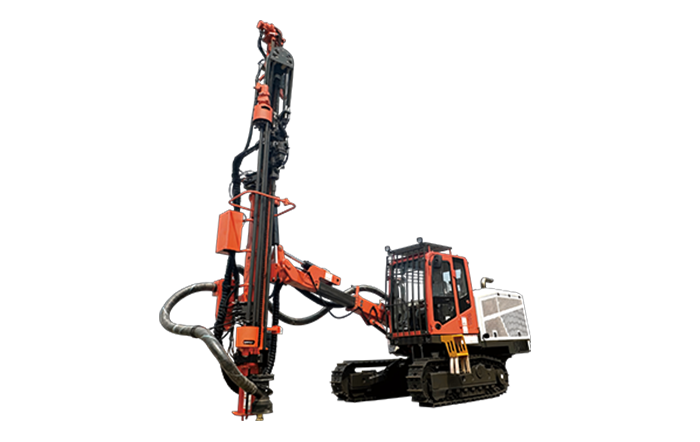
Shallow drilling projects typically involve depths of less than 30 meters.
Common applications include:
· Construction foundation work
· Quarry blasting
· Geotechnical investigations
· Small-scale mining operations
For these projects, lightweight and highly mobile drilling rigs are often sufficient.
Medium-depth drilling generally ranges from 30 to 150 meters.
Applications may include:
· Water well drilling
· Surface mining blast holes
· Environmental investigations
· Infrastructure development
Hydraulic top-hammer and rotary drilling rigs are frequently used in this range.
Deep drilling projects often exceed 150 meters and may reach several hundred meters or more.
Examples include:
· Mineral exploration
· Deep water wells
· Geothermal drilling
· Large-scale mining operations
These applications require rigs with greater feed force, higher torque, stronger drill strings, and enhanced stability.
As drilling depth increases, the drill string becomes heavier.
The rig must provide sufficient:
· Pullback force
· Feed pressure
· Mast strength
· Structural stability
Without adequate capacity, drilling performance and safety may be compromised.
Deeper holes often require:
· Higher air pressure
· Greater airflow
· Increased hydraulic power
These systems ensure efficient cuttings removal and maintain drilling speed throughout the operation.
Maintaining accurate borehole alignment becomes increasingly difficult as depth increases.
Down-the-Hole (DTH) rigs are often preferred for deep-hole applications because they offer:
· Superior hole straightness
· Reduced deviation
· Better blasting results
This can significantly improve overall project efficiency.
Small holes are commonly used for:
· Exploration drilling
· Geotechnical surveys
· Monitoring wells
· Anchor installation
Advantages include:
· Lower drilling costs
· Faster drilling rates
· Reduced material consumption
Compact drilling rigs are often ideal for these applications.
Medium-diameter holes are frequently used in:
· Quarry blasting
· Water wells
· Construction projects
These applications require rigs capable of balancing productivity, accuracy, and operating efficiency.
Large-diameter holes are typically found in:
· Open-pit mining
· Infrastructure projects
· Geothermal systems
· Large-scale blasting operations
These projects require powerful rigs with high torque and strong compressor systems.
Larger holes require:
· Bigger drill bits
· More powerful hammers
· Increased air volume
The drilling rig must be capable of supporting these requirements without sacrificing efficiency.
As hole diameter increases, more energy is needed to break and remove rock.
Key considerations include:
· Engine horsepower
· Hydraulic output
· Air compressor capacity
· Torque performance
Choosing an underpowered rig can significantly reduce productivity.
In mining applications, larger hole diameters may reduce the number of holes needed for blasting.
Benefits include:
· Faster drilling cycles
· Lower labor costs
· Improved fragmentation
· Reduced operational complexity
However, these benefits must be balanced against increased equipment and operating costs.
Top-hammer rigs are often best suited for:
· Shallow to medium depths
· Small to medium hole diameters
· Quarry operations
· Construction projects
Advantages include:
· High mobility
· Fast drilling speeds
· Lower initial investment
DTH rigs are commonly selected for:
· Deep drilling projects
· Large-diameter holes
· Hard rock formations
· Open-pit mining
Their direct impact energy transfer provides greater efficiency as hole depth increases.
Depth and diameter are important, but rock hardness also influences rig selection.
Hard formations such as granite and basalt often require:
· DTH drilling systems
· Higher compressor capacity
· More durable drilling tools
Investing in a rig with slightly greater capability than current needs may provide:
· Operational flexibility
· Longer equipment lifespan
· Improved return on investment
This approach helps accommodate future project expansion.
Selecting a drilling rig involves evaluating multiple technical factors simultaneously.
An experienced Drilling Rigs Supplier can help assess:
· Geological conditions
· Hole diameter requirements
· Drilling depth objectives
· Productivity targets
· Budget considerations
This expertise reduces equipment selection risks and improves project outcomes.
As a trusted Drilling Rigs Supplier, Haichuang Unite offers advanced drilling solutions for mining, quarrying, construction, water well, and infrastructure projects.
Key advantages include:
· Extensive drilling rig portfolio
· Reliable hydraulic and DTH technologies
· High-performance drilling systems
· Professional technical support
· Customized equipment recommendations
These strengths help customers achieve maximum productivity and long-term operational success.
Drilling depth requirements and hole diameter are two of the most important factors in selecting the right drilling rig. Shallow and small-diameter applications may benefit from compact top-hammer systems, while deep-hole and large-diameter projects often require powerful DTH drilling rigs.
By carefully evaluating drilling specifications and working with an experienced Drilling Rigs Supplier such as Haichuang Unite, project managers can select equipment that delivers optimal performance, lower operating costs, and improved drilling efficiency across a wide range of applications.
Previous: What Is the Working Principle of a Dry Type Distribution Transformer?
Next: Shortening Production Line Manufacturer for Modern Food Processing Plants
Copyright:@2020-2021

Comments Please sign in or sign up to post.
0
0 of 500 characters used