
As building safety regulations continue to evolve worldwide, fire protection has become one of the most critical considerations in construction projects. Traditional insulation materials such as Expanded Polystyrene (EPS) have long been used for their lightweight structure and thermal insulation properties. However, growing concerns about fire performance have led many countries and regions to impose stricter fire safety requirements on building envelope systems.
As a result, architects, developers, and contractors are increasingly seeking safer alternatives that can deliver both thermal efficiency and enhanced fire resistance. One of the most effective solutions is the Rock Wool AB Composite Insulation Board. Combining the thermal performance of organic insulation materials with the non-combustible characteristics of rock wool, this innovative product has become a preferred choice for projects aiming to comply with modern fire codes.
As a professional insulation manufacturer, Huana provides high-quality Rock Wool AB Composite Insulation Board solutions designed to meet the demanding requirements of energy-efficient and fire-safe buildings.
EPS has been widely used in exterior wall insulation systems due to its:
· Low thermal conductivity
· Lightweight structure
· Easy installation
· Cost-effectiveness
For many years, it was considered a practical solution for residential and commercial construction.
Despite its insulation benefits, EPS is an organic material with inherent combustibility risks. Under certain fire conditions, EPS can:
· Melt rapidly when exposed to heat
· Contribute to flame spread
· Produce smoke during combustion
· Increase fire propagation risks in façade systems
Several high-profile building fires around the world have prompted regulatory authorities to strengthen fire protection standards, especially for high-rise buildings and public facilities.
As a result, many building codes now restrict or limit the use of combustible insulation materials in exterior wall systems.
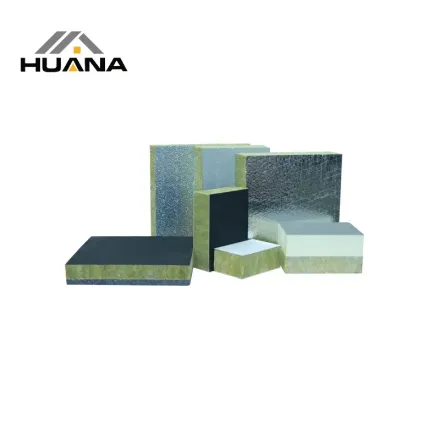
A Rock Wool AB Composite Insulation Board is an advanced insulation product that combines rock wool and organic insulation materials into a single integrated panel.
The typical structure includes:
· Rock wool fire barrier layers
· Organic insulation core sections
· Reinforced composite design
· Optimized thermal insulation performance
This hybrid configuration allows the board to achieve both high thermal efficiency and improved fire resistance.
The "AB" design integrates two insulation materials strategically within the same board. The non-combustible rock wool sections act as fire-resistant barriers, while the organic insulation components help maintain excellent thermal performance.
This design enables builders to meet increasingly strict fire code requirements without sacrificing energy efficiency.
One of the key reasons the Rock Wool AB Composite Insulation Board is replacing EPS in many projects is its incorporation of rock wool.
Rock wool is manufactured from natural basalt rock and offers:
· Non-combustible performance
· Extremely high melting temperatures
· Minimal smoke generation
· Excellent fire containment properties
The rock wool layer serves as a protective barrier that helps prevent flame spread across the building envelope.
Modern fire codes increasingly emphasize compartmentalization, which limits the spread of fire from one area of a building to another.
Rock wool sections within the composite board help create fire-resistant zones that:
· Slow vertical flame spread
· Reduce façade fire risks
· Improve evacuation safety
· Enhance structural protection
This feature is particularly important in high-rise and multi-story buildings.
Many fire regulations require insulation systems to achieve specific fire performance classifications.
The Rock Wool AB Composite Insulation Board helps projects meet these requirements by combining:
· Low combustibility
· Fire-resistant construction
· Reduced heat release rates
· Enhanced thermal stability
This makes it a suitable replacement for conventional EPS systems in projects where stricter compliance is required.
While pure rock wool offers excellent fire resistance, its thermal insulation performance may not always match that of certain organic insulation materials.
The AB composite structure addresses this challenge by combining the strengths of both materials.
Benefits include:
· Lower thermal conductivity
· Reduced heat transfer
· Improved building energy efficiency
· Better indoor comfort
This balanced approach allows building owners to achieve both fire safety and energy-saving goals.
The improved thermal performance of the composite board helps stabilize indoor temperatures throughout the year.
As a result, buildings can benefit from:
· Lower energy consumption
· Reduced HVAC loads
· Long-term operating cost savings
These advantages support compliance with modern green building standards and energy codes.
The fibrous structure of rock wool provides effective sound absorption, helping reduce external noise transmission.
This is especially valuable in:
· Residential buildings
· Hotels
· Schools
· Hospitals
· Office complexes
High-quality Rock Wool AB Composite Insulation Boards are designed to resist moisture penetration while maintaining dimensional stability.
Benefits include:
· Long service life
· Reduced maintenance requirements
· Improved durability
· Consistent insulation performance
As sustainability becomes a key focus in the construction industry, the Rock Wool AB Composite Insulation Board supports environmentally responsible building practices through:
· Energy-efficient performance
· Reduced carbon emissions
· Long-term durability
· Recyclable material components
The demand for EPS alternatives continues to grow in projects such as:
· High-rise residential buildings
· Commercial office towers
· Educational facilities
· Healthcare buildings
· Industrial facilities
· Public infrastructure projects
In these environments, fire safety requirements often make composite rock wool systems a preferred solution.
As an experienced insulation manufacturer, Huana offers premium Rock Wool AB Composite Insulation Board products engineered for modern construction requirements.
Key advantages include:
· Excellent fire resistance
· Outstanding thermal insulation performance
· Compliance with stringent fire regulations
· Superior acoustic properties
· Durable and stable construction
· Reliable manufacturing quality
These features make Huana products an ideal choice for projects transitioning away from traditional EPS insulation systems.
As fire safety regulations become increasingly strict, many building projects are seeking safer alternatives to combustible insulation materials. The Rock Wool AB Composite Insulation Board successfully addresses this challenge by combining the fire-resistant properties of rock wool with the thermal efficiency of organic insulation materials.
By providing enhanced fire protection, energy efficiency, acoustic performance, and regulatory compliance, this innovative solution has become an effective replacement for EPS in modern construction. With high-quality products from Huana, builders can achieve safer, more sustainable, and code-compliant building envelope systems for a wide range of applications.
Copyright:@2020-2021

Comments Please sign in or sign up to post.
0
0 of 500 characters used