
Outdoor living areas have become a major focus in modern architectural design. Homeowners, developers, and commercial property owners are increasingly investing in attractive outdoor environments that combine beauty, durability, and low maintenance. One material that has gained significant popularity for these applications is WPC Decorative Panels.
Wood Plastic Composite (WPC) panels offer the natural appearance of wood while delivering superior resistance to moisture, insects, fading, and weather exposure. As a result, they have become a preferred solution for outdoor walls, fences, facades, pergolas, garden features, and commercial landscapes.
In this guide, we explore some of the top types of WPC Decorative Panels for outdoor spaces and explain how premium products from Lupan can help create durable and visually impressive exterior environments.
Before selecting a panel style, it is important to understand why WPC materials are so well suited for outdoor use.
Unlike traditional wood, WPC Decorative Panels are designed to withstand:
· Rain
· Humidity
· UV exposure
· Temperature fluctuations
· Insect attacks
This makes them highly reliable in various climate conditions.
Outdoor wood structures often require regular staining, sealing, and repainting.
WPC panels typically need only occasional cleaning to maintain their appearance, significantly reducing maintenance costs over time.
Available in a wide range of textures, colors, and finishes, WPC Decorative Panels allow designers to achieve contemporary, rustic, or luxury outdoor aesthetics.
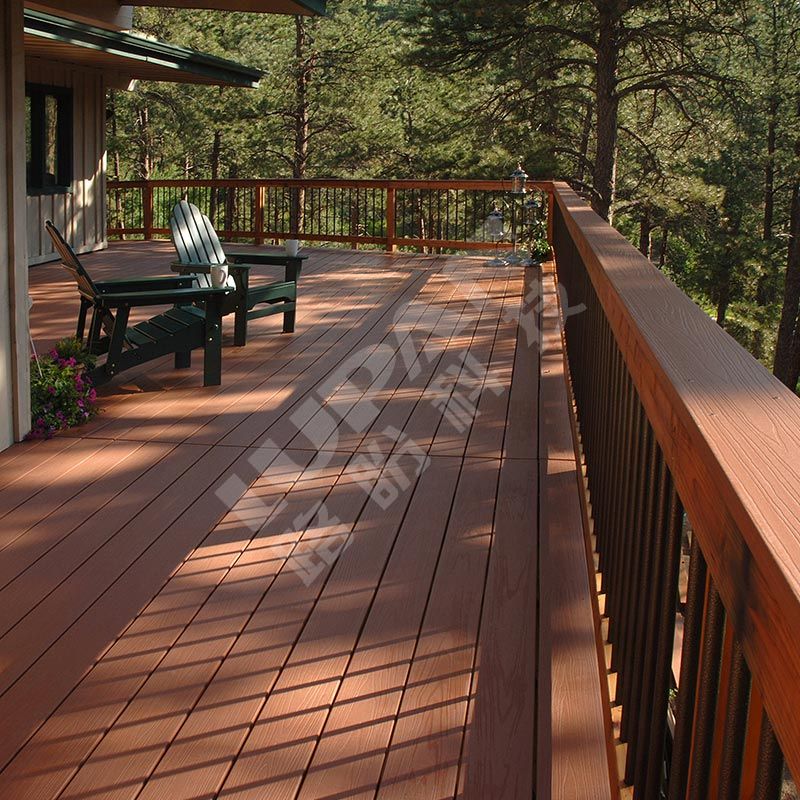
Wood-grain panels remain one of the most popular choices for exterior applications.
These panels replicate the texture and visual warmth of natural timber while offering superior resistance to weathering.
Common outdoor uses include:
· Garden walls
· Patio feature walls
· Balcony cladding
· Outdoor entertainment areas
Wood-grain WPC Decorative Panels are particularly attractive for homeowners seeking a natural look without the maintenance demands of real wood.
Lupan offers a variety of realistic wood-grain finishes that complement both modern and traditional architectural styles.
Slatted panel designs have become increasingly popular in contemporary outdoor architecture.
The linear design creates depth, texture, and visual interest while maintaining a clean and sophisticated appearance.
Slatted WPC Decorative Panels are frequently used for:
· Exterior feature walls
· Privacy screens
· Pergola structures
· Commercial facades
· Garden partitions
Their versatile design makes them suitable for both residential and commercial projects.
For environments exposed to harsh weather conditions, co-extrusion technology offers enhanced protection.
Co-extruded WPC panels feature a protective outer layer bonded to the composite core.
This additional layer improves:
· UV resistance
· Stain resistance
· Scratch resistance
· Color retention
These panels perform exceptionally well in locations with:
· Intense sunlight
· Heavy rainfall
· Coastal conditions
· High-traffic environments
Many outdoor designers choose co-extruded panels when long-term durability is a priority.
Textured panel designs are ideal for creating distinctive outdoor feature areas.
Three-dimensional surface patterns create shadows and visual contrast that add character to exterior spaces.
3D WPC Decorative Panels are commonly used for:
· Outdoor accent walls
· Poolside features
· Hotel landscapes
· Commercial entrances
These panels can transform ordinary walls into eye-catching design elements.
Outdoor privacy remains an important consideration for many property owners.
WPC fence panels provide an attractive alternative to traditional wooden fencing.
Benefits include:
· Enhanced privacy
· Weather resistance
· Low maintenance
· Long service life
Fence-style WPC Decorative Panels work well in:
· Residential gardens
· Apartment communities
· Hotels
· Resorts
· Commercial developments
Their combination of functionality and aesthetics makes them a practical outdoor solution.
Large-format panels are increasingly popular in contemporary architectural projects.
Larger panels reduce visible joints and create a clean, uninterrupted surface.
This contributes to a more modern and premium appearance.
Fewer panels mean:
· Reduced installation time
· Lower labor costs
· Simplified alignment
Large-format designs are often selected for commercial facades and large-scale outdoor renovations.
Selecting the best panel type depends on several project-specific factors.
Evaluate environmental exposure, including:
· Sunlight intensity
· Rainfall levels
· Humidity
· Temperature fluctuations
Different panel technologies provide varying levels of weather protection.
Determine whether the project prioritizes:
· Natural aesthetics
· Contemporary styling
· Privacy
· Durability
· Architectural impact
Matching panel design to project goals helps achieve the desired visual outcome.
Some panel systems offer enhanced resistance to staining, fading, and scratching, making them ideal for low-maintenance outdoor environments.
Even the best WPC Decorative Panels require proper installation to achieve maximum performance.
Proper airflow behind panels helps prevent moisture accumulation and supports long-term durability.
Composite materials naturally expand and contract with temperature changes.
Following recommended expansion gap guidelines helps prevent warping and distortion.
Outdoor installations should utilize stainless steel or other corrosion-resistant hardware to ensure long-lasting performance.
When selecting outdoor cladding and decorative solutions, quality matters. Lupan provides premium WPC Decorative Panels engineered for weather resistance, dimensional stability, and modern aesthetics.
With a wide range of colors, textures, and panel profiles, Lupan helps architects, contractors, and homeowners create outdoor spaces that combine beauty with long-term durability.
Whether for residential landscaping, commercial facades, privacy screens, or decorative garden features, Lupan offers solutions tailored to modern outdoor design needs.
WPC Decorative Panels have become one of the most versatile and reliable materials for outdoor spaces. From wood-grain finishes and slatted designs to co-extruded and textured panels, there are options available to suit virtually any architectural style or environmental condition.
By selecting the right panel type, following proper installation practices, and choosing high-quality products from Lupan, property owners can create attractive outdoor environments that deliver long-lasting performance with minimal maintenance. As outdoor living continues to evolve, WPC Decorative Panels remain a smart investment for modern exterior design.
Previous: MAC Reinforced Gabion Mattress vs Standard Gabion Mat
Next: Mistakes to Avoid During WPC Decorative Panel Installation
Copyright:@2020-2021

Comments Please sign in or sign up to post.
0
0 of 500 characters used