
Selecting the right chromium sputtering target is a critical decision for coating engineers seeking consistent deposition performance, high film quality, and efficient target utilization. While factors such as purity, grain structure, and target dimensions are often discussed, one important consideration is whether to use a bonded or unbonded sputtering target.
Both bonded and unbonded chromium sputtering targets have advantages and limitations depending on the sputtering system, power requirements, and coating application. Understanding the differences can help engineers optimize deposition efficiency, improve coating consistency, and reduce production costs.
As a trusted supplier of advanced sputtering materials, Advanced Targets manufactures both bonded and unbonded chromium sputtering targets to meet the diverse needs of semiconductor, optical, decorative, and industrial coating applications.
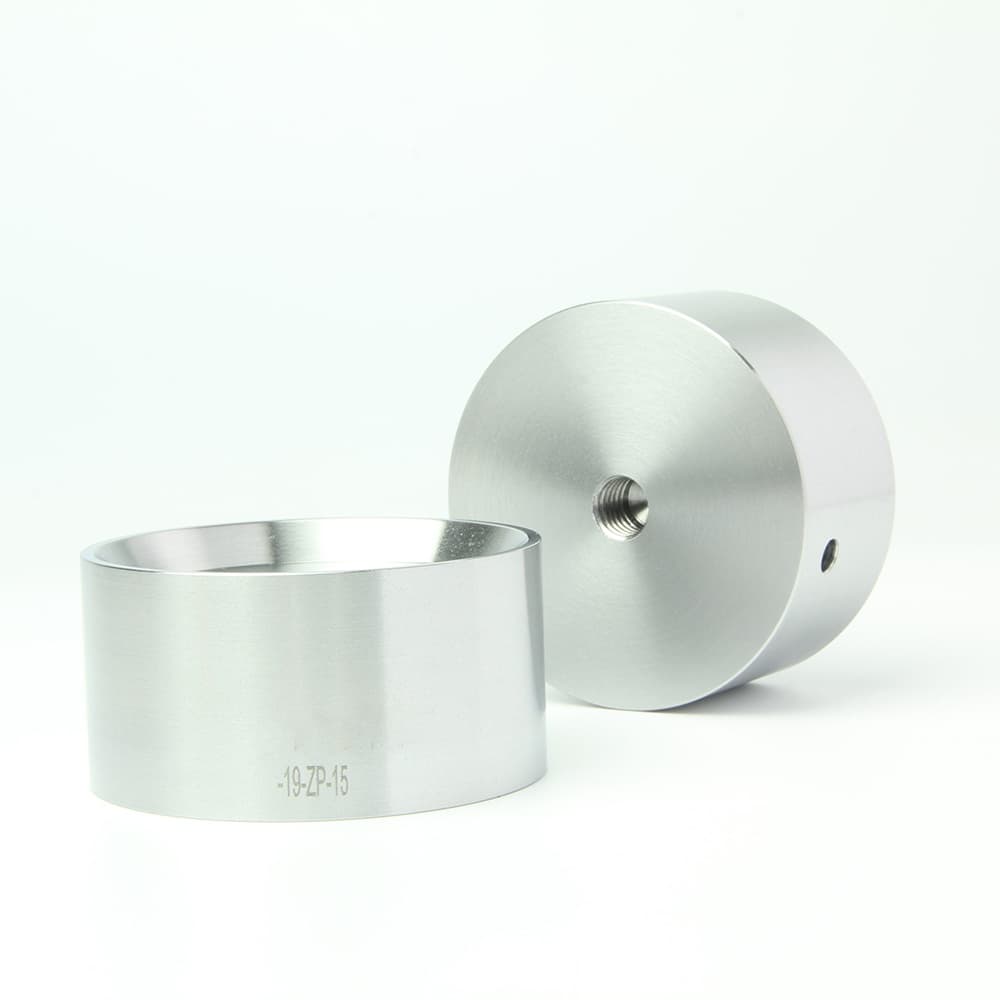
A chromium sputtering target is a high-purity chromium material used in Physical Vapor Deposition (PVD) processes. During sputtering, energetic ions strike the target surface, ejecting chromium atoms that deposit onto a substrate to form a thin film.
Chromium coatings are valued for their:
· Excellent adhesion properties
· Corrosion resistance
· Wear resistance
· Electrical conductivity
· Decorative appearance
The target can be supplied either as a solid standalone component (unbonded) or attached to a backing plate (bonded).
A bonded target consists of a chromium sputtering material permanently attached to a backing plate, typically made of copper, molybdenum, or stainless steel.
The bonding process often uses:
· Indium bonding
· Elastomer bonding
· Diffusion bonding
· Solder bonding
The purpose of the backing plate is to improve thermal conductivity and mechanical stability during sputtering operations.
One of the biggest benefits of a bonded chromium sputtering target is enhanced heat transfer. The backing plate efficiently conducts heat away from the target surface.
This allows:
· Higher power operation
· More stable deposition rates
· Reduced thermal stress
· Longer target lifespan
For high-power magnetron sputtering systems, effective cooling is essential for maintaining process stability.
Chromium can become vulnerable to cracking under extreme thermal conditions. The backing plate provides structural support and helps reduce the risk of target damage.
This is especially important for large-diameter targets used in industrial-scale coating systems.
Bonded targets often enable greater material utilization because the target remains mechanically stable even as it becomes thinner during sputtering.
Higher utilization translates into:
· Reduced material waste
· Lower operating costs
· Improved production efficiency
Although bonded targets offer many benefits, they may involve:
· Higher initial costs
· Longer manufacturing lead times
· Additional refurbishment requirements when targets are replaced
For some applications, these factors may influence purchasing decisions.
An unbonded chromium sputtering target is supplied without a backing plate. The target is installed directly into the sputtering system and held in place by mechanical clamping or mounting fixtures.
Unbonded targets are often used in smaller sputtering systems and research environments.
Unbonded targets are generally less expensive because they do not require additional bonding processes or backing plate materials.
This makes them attractive for:
· Laboratory research
· Pilot production
· Small-scale coating operations
· Cost-sensitive projects
Without a bonded backing plate, target replacement can often be faster and less complex.
Some sputtering systems are specifically designed to accommodate unbonded targets, making installation straightforward.
In low-power sputtering environments, heat generation is relatively limited. As a result, the cooling advantages of bonded targets may not be necessary.
For these applications, unbonded targets can provide a cost-effective solution.
Despite their lower cost, unbonded targets may face several challenges:
· Reduced heat dissipation
· Increased thermal stress
· Greater risk of cracking
· Lower target utilization rates
· Limited compatibility with high-power systems
These factors can affect productivity in demanding industrial applications.
Bonded targets clearly outperform unbonded targets when heat management is critical.
The backing plate efficiently removes heat from the target surface, supporting stable sputtering conditions and reducing thermal damage.
Bonded chromium targets generally provide more consistent deposition rates because temperature fluctuations are minimized.
This consistency is especially important in semiconductor and optical coating production where film thickness precision is required.
Unbonded targets typically have lower upfront costs.
However, bonded targets may offer lower long-term operating costs due to:
· Longer service life
· Higher material utilization
· Reduced downtime
· Improved production yields
Engineers must verify compatibility with their sputtering equipment before selecting a target type.
Some high-power magnetron systems are specifically designed for bonded targets, while smaller research systems often accommodate unbonded configurations.
· Operating high-power sputtering systems
· Requiring maximum target utilization
· Producing high-volume coatings
· Seeking improved process stability
· Running continuous industrial production
· Working in research laboratories
· Conducting prototype development
· Operating low-power sputtering systems
· Managing limited budgets
· Producing small coating batches
Selecting a reliable target supplier is essential for achieving consistent coating performance. Advanced Targets manufactures premium chromium sputtering targets with strict quality control standards.
Key benefits include:
· High-purity chromium materials
· Precision machining
· Custom dimensions and configurations
· Bonded and unbonded options
· Excellent density and grain structure control
· Reliable sputtering performance
These advantages help coating engineers maximize productivity while maintaining high film quality.
The choice between a bonded and unbonded chromium sputtering target depends largely on system requirements, production volume, and process conditions. Bonded targets offer superior thermal management, improved target utilization, and greater deposition stability, making them ideal for high-performance industrial applications. Unbonded targets provide a cost-effective solution for research, development, and low-power sputtering environments.
By understanding the strengths of each option and partnering with an experienced supplier like Advanced Targets, coating engineers can select the most suitable chromium sputtering target and achieve optimal thin-film deposition results.
Previous: Decorative Wire Mesh
Next: LFP vs NCM Battery Cells: Safety and Thermal Stability Compared
Copyright:@2020-2021

Comments Please sign in or sign up to post.
0
0 of 500 characters used