
Oxidative degradation is one of the most significant challenges in polymer processing and end-use performance. Exposure to heat, oxygen, mechanical stress, and light can cause plastics, rubbers, adhesives, and coatings to lose their physical properties over time.
To prevent premature degradation, manufacturers rely on effective stabilization systems. Among the various antioxidant options available, hindered phenolic antioxidants remain one of the most widely used and trusted solutions for long-term thermal protection.
Understanding when and how to use hindered phenolic antioxidants can help formulators improve product quality, extend service life, and optimize manufacturing efficiency. As an experienced additive supplier, Onelead provides high-performance antioxidant solutions tailored to diverse industrial applications.
Hindered phenolic antioxidants belong to the category of primary antioxidants, also known as chain-breaking antioxidants.
They are designed to interrupt the oxidation process by neutralizing free radicals before they can trigger further degradation.
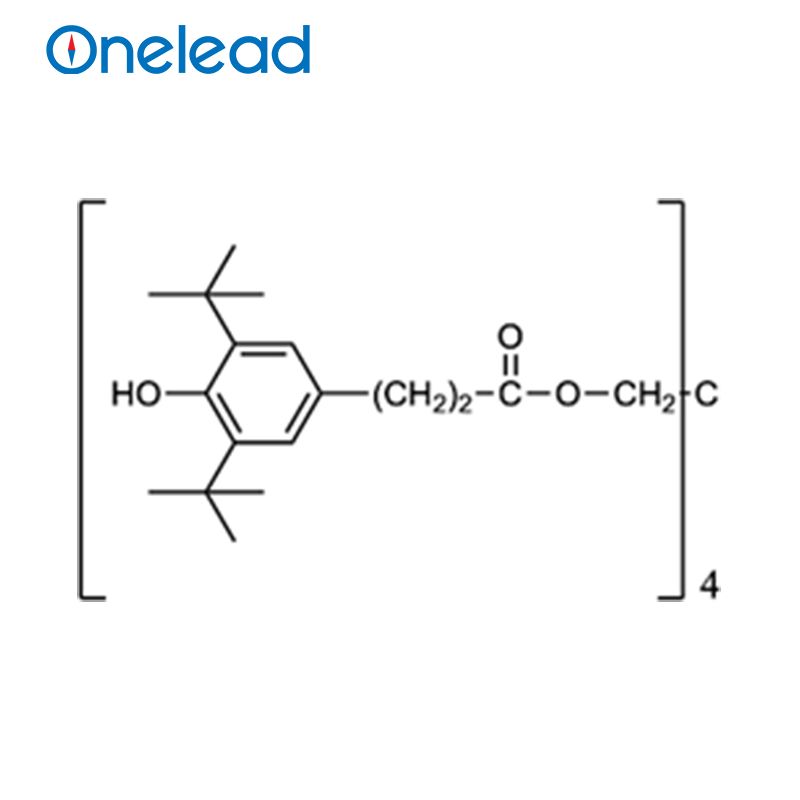
During polymer oxidation, heat and oxygen generate free radicals that attack polymer chains and initiate a self-propagating degradation cycle.
Hindered phenolic antioxidants donate hydrogen atoms to these radicals, converting them into stable compounds and stopping the oxidation chain reaction.
This mechanism helps preserve critical material properties such as:
· Mechanical strength
· Color stability
· Flexibility
· Impact resistance
· Processability
Because they directly target free radicals, hindered phenolic antioxidants provide excellent long-term protection throughout a product's service life.
Hindered phenolic antioxidants are widely used because they offer multiple performance advantages.
These antioxidants continue protecting polymers even after processing is complete, making them ideal for applications requiring extended service life.
Their low volatility reduces additive loss during high-temperature manufacturing processes.
Hindered phenolic antioxidants work effectively in a wide range of polymers, including polyolefins, engineering plastics, elastomers, and synthetic fibers.
They help minimize yellowing and discoloration caused by oxidation.
Effective at relatively low loading levels, they provide excellent value for manufacturers seeking reliable stabilization.
Selecting the right antioxidant depends on processing conditions, polymer type, and end-use requirements.
Here are the most common situations where hindered phenolic antioxidants deliver optimal results.
Applications exposed to elevated temperatures over extended periods benefit significantly from primary antioxidant protection.
Examples include:
· Automotive components
· Electrical insulation materials
· Household appliances
· Industrial equipment parts
These products require antioxidants that maintain performance throughout their operational lifespan.
Polymer manufacturing processes such as extrusion, injection molding, and blow molding generate heat that accelerates oxidation.
Hindered phenolic antioxidants help maintain material integrity during these operations by neutralizing free radicals formed under thermal stress.
Discoloration can negatively affect product appearance and customer satisfaction.
Hindered phenolic antioxidants are commonly used in applications where color retention is critical, including:
· Consumer goods
· Packaging materials
· White and light-colored plastics
· Medical components
Recycled polymers often experience multiple heat histories, increasing their susceptibility to oxidative degradation.
Adding hindered phenolic antioxidants helps restore processing stability and extend the usability of recycled materials.
Due to their versatility, hindered phenolic antioxidants are used across numerous industries.
Polyethylene and polypropylene formulations rely heavily on primary antioxidants to ensure long-term thermal stability.
Materials such as polyamide, polycarbonate, and PBT benefit from enhanced durability and oxidation resistance.
Rubber compounds used in automotive seals, hoses, and gaskets require protection against heat aging.
These products depend on antioxidants to maintain flexibility, adhesion performance, and appearance.
Long-term thermal stability is essential to preserve insulation performance and electrical safety.
Although hindered phenolic antioxidants provide excellent long-term protection, they are most effective when used alongside secondary antioxidants.
Secondary antioxidants, such as phosphites and thioesters, decompose hydroperoxides formed during processing.
Meanwhile, hindered phenolic antioxidants neutralize free radicals.
This combination addresses multiple stages of oxidation, delivering:
· Improved processing stability
· Better color retention
· Enhanced thermal resistance
· Extended product lifespan
· Lower overall additive consumption
For many formulations, combining primary and secondary antioxidants offers superior performance compared to using either type alone.
Not all antioxidant formulations are the same.
Consider the following factors before making a selection:
Different polymers have unique stabilization requirements.
Temperature, residence time, and shear stress influence antioxidant performance.
Applications involving food contact, medical products, or consumer goods may require specific approvals.
Exposure to heat, chemicals, moisture, or UV radiation affects antioxidant selection.
Working with an experienced supplier can simplify the formulation process and ensure optimal performance.
As a trusted provider of advanced polymer additives, Onelead offers a comprehensive range of hindered phenolic antioxidants designed for diverse applications.
Our advantages include:
· High-quality, consistent products
· Customized formulation support
· Technical application expertise
· Global supply capabilities
· Regulatory compliance assistance
· Reliable customer service
Whether you need a standalone primary antioxidant or a complete stabilization package, Onelead can help you optimize your formulation for long-term success.
Hindered phenolic antioxidants are essential for protecting polymers against long-term oxidative degradation. Their ability to neutralize free radicals makes them an ideal choice for applications requiring thermal stability, color retention, and extended service life.
They are especially valuable in polyolefins, engineering plastics, elastomers, adhesives, and recycled materials.
For maximum effectiveness, many formulations combine hindered phenolic antioxidants with secondary antioxidants to create a synergistic stabilization system.
By partnering with Onelead, manufacturers can access the expertise and innovative solutions needed to develop high-performance formulations that meet evolving market demands.
Previous: A look at ongoing research in lithium fluorides, lithium sulfates, and other new chemistries
Next: Common Mistakes When Selecting Antioxidants for Plastic Applications
Copyright:@2020-2021

Comments Please sign in or sign up to post.
0
0 of 500 characters used