
Antioxidants are essential additives in polymer formulations, helping manufacturers protect materials from thermal and oxidative degradation during processing and throughout their service life. Among the most widely used primary antioxidants are amine antioxidants and phenolic antioxidants.
Although both types interrupt oxidation chain reactions, they differ significantly in performance characteristics, color stability, temperature resistance, and application suitability.
Understanding the differences between amine antioxidants and phenolic antioxidants can help formulators select the right stabilization system for their products. As a trusted additive supplier, Onelead provides comprehensive antioxidant solutions tailored to diverse industrial applications.
Polymers are vulnerable to degradation when exposed to:
· Heat
· Oxygen
· Mechanical stress
· Ultraviolet radiation
· Repeated processing cycles
These factors generate free radicals that trigger oxidation, resulting in:
· Discoloration
· Reduced tensile strength
· Surface cracking
· Loss of flexibility
· Melt flow instability
· Shortened product lifespan
Primary antioxidants help prevent these issues by neutralizing free radicals before they can propagate the oxidation process.
Among the most common primary antioxidants are amine antioxidants and phenolic antioxidants.
Amine antioxidants are a class of primary antioxidants typically based on aromatic amine chemistry.
They are highly effective at scavenging free radicals and providing long-term protection under demanding thermal and oxidative conditions.
Amine antioxidants donate hydrogen atoms to free radicals, interrupting oxidation chain reactions and slowing material degradation.
They are especially effective in environments involving:
· High temperatures
· Dynamic mechanical stress
· Continuous oxygen exposure
Benefits include:
· Excellent heat-aging resistance
· Superior performance in elastomers
· Strong protection against oxidative degradation
· Enhanced fatigue resistance
· Effective stabilization in harsh environments
However, amine antioxidants may cause discoloration, limiting their use in applications where appearance is critical.
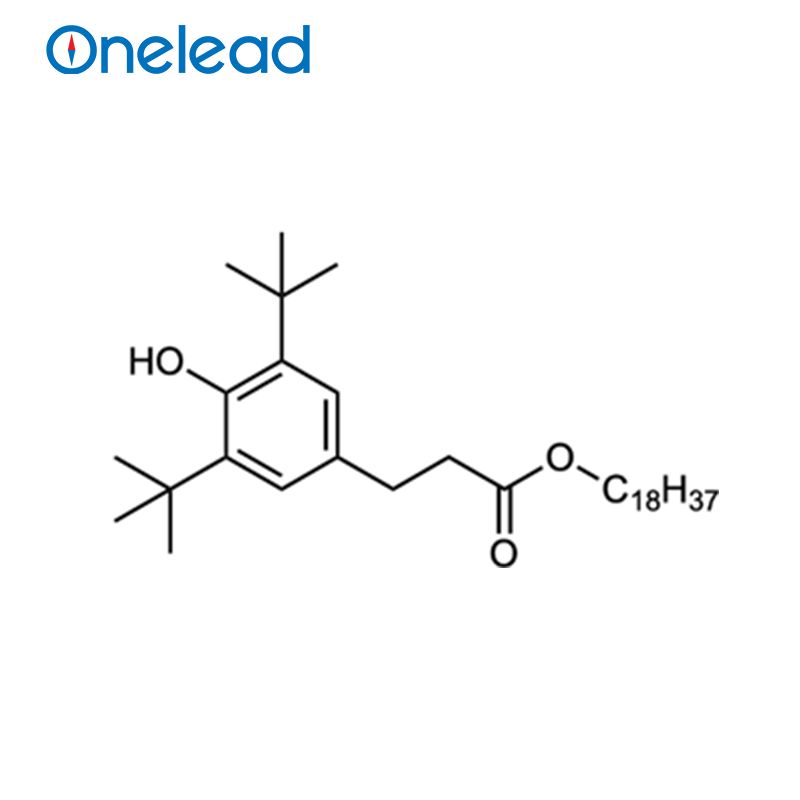
Phenolic antioxidants, particularly hindered phenolic antioxidants, are the most widely used primary antioxidants in plastics.
They provide excellent long-term thermal stability while maintaining color and appearance.
Phenolic antioxidants neutralize free radicals by donating hydrogen atoms, effectively stopping oxidation propagation.
Their molecular structure enhances stability and minimizes unwanted side effects.
Benefits include:
· Excellent color retention
· Low volatility
· Broad polymer compatibility
· Long-term thermal protection
· High processing stability
Phenolic antioxidants are often preferred in applications requiring clean appearance and low odor.
Although both antioxidant types perform similar functions, they differ in several important ways.
· Amine antioxidants: Excellent performance in high-temperature and high-stress environments.
· Phenolic antioxidants: Strong thermal stability for most standard processing and end-use conditions.
· Amine antioxidants: Can cause staining or discoloration.
· Phenolic antioxidants: Provide excellent color retention.
· Amine antioxidants: Commonly used in rubber and elastomer formulations.
· Phenolic antioxidants: Widely used in plastics, adhesives, coatings, and fibers.
· Amine antioxidants: Often provide superior protection against oxidative aging under severe conditions.
· Phenolic antioxidants: Frequently combined with light stabilizers for enhanced weather resistance.
· Amine antioxidants: Limited use in food-contact or medical applications due to potential discoloration and regulatory constraints.
· Phenolic antioxidants: More suitable for consumer products and regulated applications.
Because of their outstanding heat-aging performance, amine antioxidants are ideal for demanding applications.
Rubber compounds used in tires, conveyor belts, and seals benefit from their excellent resistance to thermal oxidation.
Engine mounts, hoses, and vibration dampers require protection against heat and mechanical stress.
Heavy-duty industrial applications often prioritize performance over appearance, making amine antioxidants an excellent choice.
Certain cable compounds require enhanced oxidative stability under continuous heat exposure.
In these applications, slight discoloration is often acceptable.
Phenolic antioxidants are the preferred choice when appearance and broad compatibility are priorities.
Polyethylene and polypropylene formulations rely heavily on phenolic antioxidants for long-term stability.
Food packaging and consumer products require excellent color retention and regulatory compliance.
Materials such as polycarbonate, polyamide, and PBT benefit from balanced thermal protection.
Phenolic antioxidants help preserve flexibility, adhesion strength, and appearance.
Low discoloration and regulatory acceptance make phenolic antioxidants suitable for sensitive applications.
In some formulations, combining antioxidant types can enhance overall performance.
However, compatibility and application requirements must be carefully evaluated.
Many manufacturers also incorporate secondary antioxidants, such as phosphites, to create synergistic stabilization systems that improve processing stability and extend product lifespan.
Working with an experienced supplier ensures the optimal balance between performance, cost, and regulatory compliance.
As a reliable provider of advanced polymer additives, Onelead offers a broad portfolio of antioxidant technologies designed for diverse applications.
Our advantages include:
· Comprehensive antioxidant product range
· Customized formulation support
· Technical application expertise
· Consistent product quality
· Global supply capabilities
· Regulatory compliance assistance
Whether you require high-performance amine antioxidants, phenolic antioxidants, or complete stabilization packages, Onelead helps optimize your formulations for maximum efficiency and durability.
Both amine antioxidants and phenolic antioxidants play critical roles in protecting polymers from oxidative degradation, but each offers distinct advantages.
Amine antioxidants excel in high-temperature, high-stress applications where maximum heat-aging resistance is essential. Phenolic antioxidants are better suited for applications requiring excellent color stability, broad compatibility, and regulatory compliance.
By understanding the strengths and limitations of each antioxidant type, manufacturers can develop more effective formulations that deliver superior processing performance and long-term durability.
Partnering with Onelead ensures access to the expertise and high-quality antioxidant solutions needed to meet evolving industry demands.
Copyright:@2020-2021

Comments Please sign in or sign up to post.
0
0 of 500 characters used