
In modern polymer manufacturing, choosing the right Antioxidant is essential for maintaining product quality, extending service life, and ensuring long-term performance. Different polymers face varying levels of thermal, oxidative, and mechanical stress during processing and end-use. As a result, selecting an appropriate antioxidant package requires a thorough understanding of both manufacturing conditions and final application requirements.
As a trusted supplier of polymer additives, Onelead provides a wide range of antioxidant solutions designed to protect plastics, rubbers, coatings, and other materials throughout their lifecycle.
Polymers are susceptible to degradation when exposed to heat, oxygen, light, and mechanical stress. During manufacturing processes such as extrusion, injection molding, blow molding, and compounding, polymers can experience elevated temperatures that accelerate oxidation.
Without adequate antioxidant protection, degradation can result in:
· Reduced molecular weight
· Discoloration and yellowing
· Loss of mechanical strength
· Surface cracking
· Reduced processing stability
· Shortened product lifespan
Selecting the right antioxidant system helps manufacturers preserve polymer integrity during production and throughout the product’s service life.
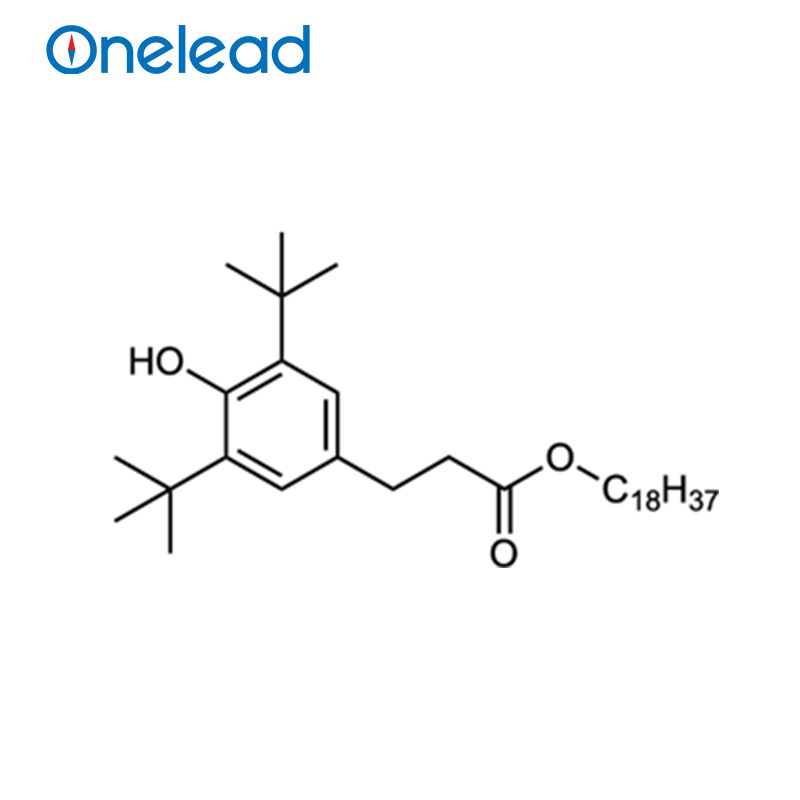
Primary antioxidants, often called radical scavengers, interrupt the oxidation chain reaction by neutralizing free radicals.
Common examples include:
· Hindered phenolic antioxidants
· Aromatic amine antioxidants
These antioxidants provide long-term thermal stability and are widely used in polyolefins, engineering plastics, elastomers, and adhesives.
Secondary antioxidants decompose hydroperoxides before they can generate free radicals and initiate further degradation.
Common secondary antioxidants include:
· Phosphite antioxidants
· Phosphonite antioxidants
· Thioester antioxidants
These additives are particularly effective during high-temperature processing operations.
Many applications benefit from combining primary and secondary antioxidants. The synergistic effect enhances both processing stability and long-term aging resistance.
For example, a hindered phenol combined with a phosphite antioxidant can provide comprehensive protection against thermal oxidation during manufacturing and product use.
Processes such as extrusion, fiber spinning, and engineering plastic compounding expose materials to temperatures exceeding 250°C.
For these demanding conditions, manufacturers should prioritize:
· High thermal stability
· Excellent processing protection
· Low volatility
· Resistance to discoloration
Phosphite antioxidants are often paired with hindered phenols to provide effective melt processing stabilization.
Recycled polymers face multiple thermal histories, increasing oxidation risks.
When selecting an antioxidant for recycled materials, consider:
· Residual antioxidant levels
· Reprocessing temperatures
· Number of recycling cycles
Antioxidant systems with strong hydroperoxide decomposition capabilities can significantly improve the quality and performance of recycled plastics.
Some manufacturing operations involve prolonged exposure to heat within processing equipment.
In these situations, antioxidants should offer:
· Extended thermal protection
· Minimal extraction
· Consistent stabilization over time
Customized antioxidant blends from Onelead can help maintain polymer performance under prolonged processing conditions.
Products used outdoors face exposure to:
· UV radiation
· Heat
· Oxygen
· Moisture
Examples include:
· Agricultural films
· Geomembranes
· Outdoor furniture
· Construction materials
For outdoor applications, antioxidants are often combined with UV stabilizers to provide comprehensive weathering resistance.
Food packaging materials require additives that comply with relevant regulatory standards.
Key considerations include:
· Low migration characteristics
· Regulatory compliance
· Minimal impact on color and odor
Manufacturers should carefully evaluate antioxidant approvals for target markets before product selection.
Automotive plastics and rubber parts must withstand elevated temperatures and prolonged service periods.
Common applications include:
· Under-the-hood components
· Interior trim
· Wire and cable insulation
· Fluid reservoirs
High-performance antioxidant systems help maintain mechanical properties and appearance throughout the vehicle's lifespan.
Medical polymers require exceptional purity and stability.
Important factors include:
· Biocompatibility requirements
· Sterilization resistance
· Regulatory compliance
· Long-term material integrity
Specialized antioxidant formulations can support these demanding performance standards.
Different polymers respond differently to oxidative stress.
Common examples include:
Polymer Type | Typical Antioxidant Requirement |
Polyethylene (PE) | Processing and long-term stability |
Polypropylene (PP) | Thermal and oxidative protection |
ABS | Color retention and heat resistance |
Engineering Plastics | High-temperature stabilization |
Elastomers | Flexibility and aging resistance |
Products operating at elevated temperatures require antioxidants with superior thermal durability and long-term effectiveness.
Short-term disposable products may need basic stabilization, while durable goods require advanced antioxidant packages capable of protecting materials for many years.
Industries such as food packaging, medical devices, and consumer products often have strict regulations governing additive selection.
Manufacturers should ensure compliance with all applicable standards before commercialization.
Selecting the right antioxidant involves balancing performance, processing efficiency, cost, and regulatory requirements.
An experienced supplier can help manufacturers:
· Optimize formulations
· Improve processing stability
· Extend product lifespan
· Reduce material degradation
· Enhance overall product quality
Onelead offers a comprehensive portfolio of antioxidant solutions and technical support services to help customers identify the most effective stabilization system for their specific applications.
Choosing the right Antioxidant is a critical step in ensuring polymer performance during processing and throughout the product’s service life. Factors such as processing temperature, polymer type, environmental exposure, regulatory requirements, and expected lifespan all influence antioxidant selection.
By understanding the strengths of primary antioxidants, secondary antioxidants, and synergistic antioxidant blends, manufacturers can develop more durable, reliable, and cost-effective products. With the expertise and product portfolio offered by Onelead, businesses can confidently select antioxidant solutions tailored to both processing conditions and end-use requirements.
Previous: What is Plastic Desiccant Masterbatch?
Copyright:@2020-2021

Comments Please sign in or sign up to post.
0
0 of 500 characters used