
When designing a bathroom, one of the most important decisions is choosing the right wall and floor material. Among the most popular options are glass mosaic tiles and ceramic tiles. Both materials are widely used in residential and commercial bathroom projects, but they offer very different performance, aesthetics, and maintenance characteristics.
Understanding the differences between these two materials can help homeowners, designers, and contractors make the best long-term choice.
As a professional Glass Mosaic Tile Manufacturer, Ralart Mosaic provides high-quality glass mosaic solutions designed for modern bathroom environments where both style and durability matter.
Before comparing performance, it is important to understand the basic characteristics of each material.
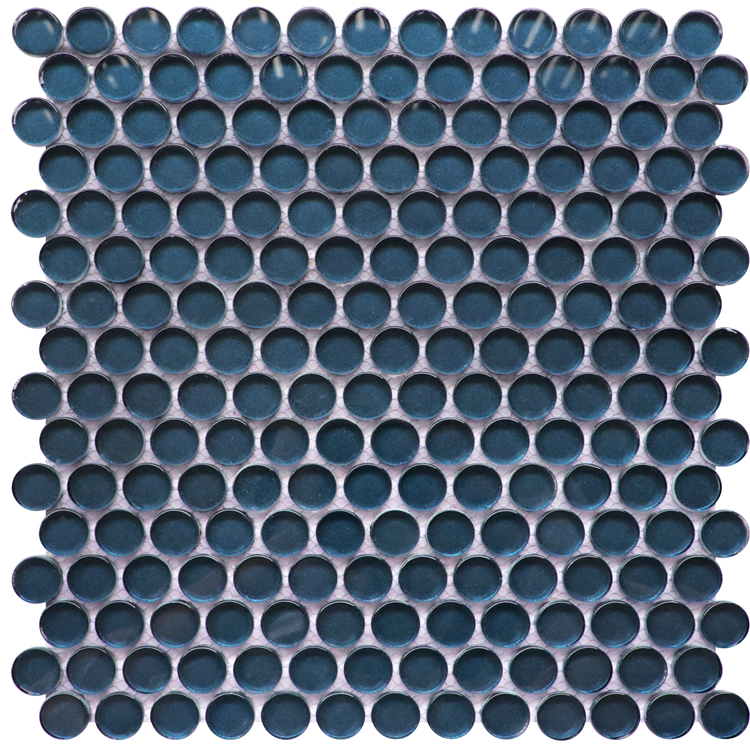
Glass mosaic tiles are small pieces of colored or textured glass arranged into sheets or patterns. They are commonly used for:
· Bathroom feature walls
· Shower interiors
· Spa and wellness areas
· Decorative backsplashes
· Swimming pool surfaces
Glass mosaics are known for their reflective qualities, vibrant colors, and modern aesthetic appeal.
Ceramic tiles are made from natural clay that is fired at high temperatures. They are widely used in:
· Bathroom floors and walls
· Kitchen surfaces
· General interior wall cladding
Ceramic tiles are valued for their affordability, durability, and wide range of design options.
One of the most noticeable differences between glass mosaic and ceramic tiles is visual impact.
Glass mosaic tiles reflect both natural and artificial light, creating a bright and spacious feeling in bathrooms. They are ideal for:
· Small bathrooms needing visual expansion
· Luxury spa-style interiors
· Modern and contemporary designs
The reflective surface also enhances color depth and creates dynamic visual effects.
Ceramic tiles typically offer a more matte or semi-gloss finish. They provide a calm and neutral appearance that works well in:
· Traditional bathroom designs
· Minimalist interiors
· Budget-friendly renovation projects
While less reflective, ceramic tiles offer a clean and timeless look.
Performance in wet environments is a critical factor when choosing bathroom materials.
Glass mosaic tiles are:
· Non-porous
· Highly water-resistant
· Resistant to staining and mold growth
Because they absorb almost no water, they are especially suitable for shower walls, steam rooms, and wet zones.
Ceramic tiles also perform well in bathrooms, but their water resistance depends on glaze quality. While glazed ceramic tiles resist moisture, unglazed or low-quality tiles may absorb water over time.
Proper sealing of grout lines is essential to maintain long-term durability.
Bathroom surfaces must be easy to clean and maintain due to constant exposure to moisture, soap, and cleaning products.
Glass mosaic tiles are extremely easy to maintain:
· Smooth surface prevents dirt buildup
· Resistant to chemical cleaners
· Easy to wipe clean
However, grout lines still require periodic cleaning.
Ceramic tiles are also relatively easy to maintain, but:
· Grout lines may discolor over time
· Surface texture can trap dirt in some designs
· Sealing may be required depending on tile type
Overall, both materials are manageable, but glass offers slightly easier surface cleaning.
Installation complexity can affect project cost and timeline.
Glass mosaics require:
· High-quality adhesive suitable for glass
· Precise alignment due to small tile size
· Skilled installation to avoid visible inconsistencies
Because of their reflective surface, imperfections are more noticeable.
Ceramic tiles are generally:
· Easier to install due to larger sizes
· Faster to cover large areas
· More forgiving during installation
This makes ceramic a popular choice for large-scale bathroom renovations.
Budget is often a key factor in material selection.
Glass mosaic tiles are typically:
· Higher in material cost
· More expensive to install due to labor intensity
However, they add a premium aesthetic value that can increase property appeal.
Ceramic tiles are:
· More budget-friendly
· Widely available
· Cost-effective for large areas
They are often the preferred option for cost-conscious projects.
Glass mosaics offer exceptional customization:
· Unlimited color combinations
· Iridescent and metallic finishes
· Gradient and artistic patterns
As a leading Glass Mosaic Tile Manufacturer, Ralart Mosaic provides customized design solutions tailored to modern architectural needs.
Ceramic tiles also offer variety:
· Stone-look finishes
· Wood-effect designs
· Large format slabs
However, they generally provide less visual depth compared to glass mosaics.
The answer depends on project goals and priorities.
· Luxury and modern aesthetics
· Bright, reflective surfaces
· High-end bathroom design
· Spa-like atmosphere
· Custom artistic expression
· Cost-effective solutions
· Simple and practical design
· Easy large-area installation
· Traditional or minimalistic look
Both glass mosaic and ceramic tiles are excellent choices for bathroom design, but they serve different purposes. Glass mosaics excel in aesthetics, brightness, and premium design applications, while ceramic tiles offer affordability, practicality, and ease of installation.
For projects that require high visual impact and long-term durability, glass mosaic tiles are often the preferred choice.
As a trusted Glass Mosaic Tile Manufacturer, Ralart Mosaic continues to deliver innovative glass mosaic solutions that enhance modern bathroom spaces with elegance, performance, and design flexibility.
Whether you choose glass mosaic or ceramic, the key is to match the material with your functional needs and design vision for the best results.
Previous: Key Factors in Choosing Stone Porcelain Tiles
Next: How to Choose Glass Mosaic Tiles for Wet and Humid Areas
Copyright:@2020-2021

Comments Please sign in or sign up to post.
0
0 of 500 characters used