
Selecting the right Truck Tires for each axle position is one of the most important decisions fleet managers and truck owners can make. Different axle positions perform different functions, and using the wrong tire type can reduce fuel efficiency, shorten tire life, compromise safety, and increase operating costs.
Whether you operate long-haul trucks, regional delivery vehicles, construction trucks, or mixed fleets, understanding how to match tires to steer, drive, trailer, and all-position axles helps maximize performance and return on investment. As a trusted tire manufacturer, LONGMARCH provides a wide range of truck tire solutions designed for specific axle applications and road conditions.
Commercial trucks place different demands on each axle. The steering axle controls vehicle direction, the drive axle transfers engine power to the road, and the trailer axle supports heavy loads while minimizing rolling resistance.
When tires are selected according to axle function, operators benefit from:
· Improved safety and handling
· Better traction in various road conditions
· Longer tire lifespan
· Enhanced fuel economy
· Reduced maintenance costs
· Improved load-carrying performance
Using a tire designed for one axle position on another can lead to uneven wear patterns, poor performance, and premature replacement.
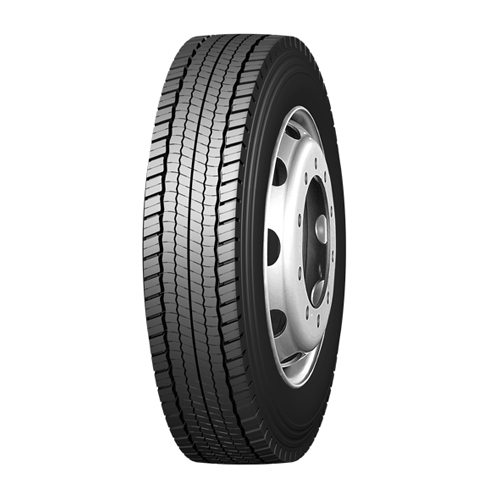
Before choosing truck tires, it is essential to understand the role of each axle position.
Steer axles are located at the front of the truck and are responsible for directional control. Tires in this position must provide excellent handling, stability, and braking performance.
Drive axles transfer power from the engine to the road surface. These tires require superior traction and durability to handle torque and varying road conditions.
Trailer axles support cargo weight and follow the path of the tractor. Trailer tires focus on load capacity, stability, and low rolling resistance.
All-position tires are designed to perform adequately on multiple axle positions. They offer versatility for certain fleets and operating conditions.
Steer axle tires directly influence driver control and safety. They should provide responsive steering and maintain stability at highway speeds.
Most steer tires feature rib-pattern tread designs. These designs improve:
· Straight-line tracking
· Steering precision
· Water evacuation
· Even wear
Since steer tires remain in constant contact with the road, low rolling resistance can contribute significantly to fuel savings.
LONGMARCH steer axle truck tires are engineered to deliver precise handling, excellent wear resistance, and dependable highway performance.
Drive axle tires require aggressive tread patterns that maximize grip on various surfaces.
Common operating environments include:
· Highways
· Wet roads
· Snow-covered routes
· Construction sites
· Regional transportation routes
Deep tread designs improve traction and extend service life. They help maintain performance as the tire wears.
Drive tires experience high torque forces. Reinforced casings and durable compounds are essential for preventing irregular wear and improving retreadability.
LONGMARCH drive axle truck tires are designed to provide excellent traction, strong load capacity, and long-term durability for demanding commercial applications.
Trailer tires support significant cargo weight. Their construction must withstand heavy loads without excessive heat buildup.
Fuel costs represent a major operating expense. Trailer tires with low rolling resistance help fleets improve fuel economy over long distances.
Trailer positions are particularly vulnerable to irregular wear caused by turning forces and alignment issues. Choosing tires designed specifically for trailer service helps maintain consistent wear patterns.
Modern LONGMARCH trailer tires are developed to offer durability, fuel efficiency, and dependable performance under heavy loads.
All-position tires offer versatility and can be installed on multiple axle positions in certain applications.
They are commonly used in:
· Regional delivery trucks
· Vocational vehicles
· Municipal fleets
· Light- to medium-duty commercial vehicles
Key advantages include:
· Simplified inventory management
· Reduced tire stocking requirements
· Flexible replacement options
· Consistent performance across applications
However, fleets operating in highly specialized conditions may achieve better results using dedicated steer, drive, and trailer tires.
Different vehicles require different tire configurations.
Examples include:
· Long-haul tractors
· Dump trucks
· Concrete mixers
· Delivery trucks
· Tankers
Each application places unique demands on tire performance.
Always ensure the tire's load rating meets or exceeds operational requirements. Overloading can accelerate wear and increase the risk of tire failure.
Road environments influence tread selection.
Choose low rolling resistance tires designed for fuel efficiency and long wear.
Look for balanced tread designs that provide durability and traction.
Select tires with aggressive tread patterns and reinforced construction.
Weather conditions also affect tire selection.
For wet, snowy, or mixed environments, prioritize tread designs that provide superior grip and water evacuation.
Drive tires are optimized for traction, not steering precision. This mismatch can negatively impact handling.
Proper rotation helps maximize tire life and maintain balanced wear patterns.
The lowest-cost option may not deliver the best total cost of ownership. Performance, durability, fuel efficiency, and retreadability should all be considered.
Working with experienced manufacturers such as LONGMARCH helps ensure the correct tire selection for each axle position and application.
Matching the right Truck Tires to steer, drive, trailer, and all-position axles is essential for maximizing safety, performance, and operating efficiency. Each axle position has unique requirements, and selecting tires specifically designed for those functions can significantly improve vehicle handling, traction, fuel economy, and tire lifespan.
Whether you operate a single truck or manage a large commercial fleet, choosing quality tire solutions from LONGMARCH can help reduce operating costs while ensuring reliable performance across a wide range of transportation applications. By understanding axle-specific tire requirements and aligning tire selection with vehicle usage, fleets can achieve greater productivity and long-term value.
Previous: Rib vs Lug Tread Patterns for Highway, Regional, and Mixed-Service Trucks
Next: Why Professional Car Detailing Is Essential for Tesla Owners
Copyright:@2020-2021

Comments Please sign in or sign up to post.
0
0 of 500 characters used