
Choosing the right Truck Tires involves more than selecting the correct size or tread pattern. Two critical specifications that every fleet manager, truck owner, and procurement professional must understand are the load index and speed rating. These ratings directly affect vehicle safety, tire performance, load-carrying capacity, and operational efficiency.
Ignoring these factors can lead to premature tire failure, increased operating costs, and even safety risks on the road. Before purchasing new truck tires, it is essential to verify that the load index and speed rating meet the requirements of your vehicle and application. As a trusted commercial tire manufacturer, LONGMARCH offers truck tire solutions engineered to meet diverse transportation demands while complying with international performance standards.
The load index is a numerical code that indicates the maximum weight a tire can safely support when properly inflated.
Every truck tire is designed to carry a specific load. The load index helps operators determine whether a tire is suitable for the vehicle’s axle weight and cargo requirements.
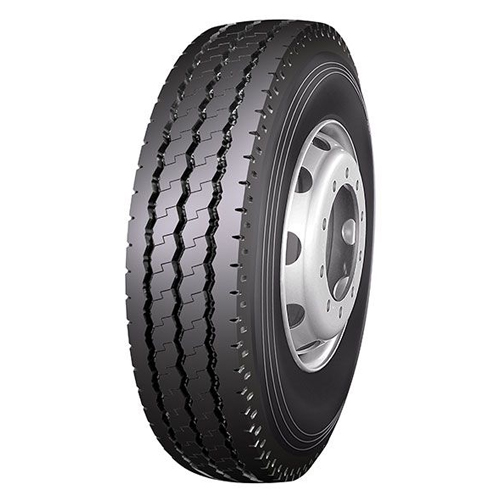
Commercial trucks frequently operate under heavy loads. If the tire's load capacity is insufficient, it may result in:
· Excessive heat buildup
· Sidewall damage
· Reduced tire lifespan
· Poor handling performance
· Increased risk of blowouts
Selecting the proper load index ensures safe operation and maximizes tire durability.
Higher load index numbers correspond to greater load-carrying capacity.
For example:
Load Index | Maximum Load Capacity |
146 | 3,000 kg |
148 | 3,150 kg |
150 | 3,350 kg |
152 | 3,550 kg |
The exact capacity varies depending on tire specifications and manufacturer guidelines.
Always consult the tire manufacturer's load charts before making a purchase.
The speed rating indicates the maximum speed at which a tire can safely operate while carrying its specified load.
Truck tires are tested under controlled conditions to verify their ability to perform at certain speeds without compromising safety.
Commercial truck tires typically use speed symbols such as:
· J = 100 km/h (62 mph)
· K = 110 km/h (68 mph)
· L = 120 km/h (75 mph)
· M = 130 km/h (81 mph)
The appropriate speed rating depends on vehicle type, operating conditions, and regional regulations.
Operating beyond a tire's rated speed can generate excessive heat and stress.
Potential consequences include:
· Accelerated tread wear
· Reduced fuel efficiency
· Tire structural damage
· Increased risk of failure
Selecting the correct speed rating helps maintain safety and consistent performance during long-haul operations.
Different commercial vehicles require different load capacities.
Long-distance freight vehicles often carry heavy loads across highways for extended periods.
Recommended considerations include:
· High load index ratings
· Durable casing construction
· Fuel-efficient tread designs
LONGMARCH long-haul truck tires are engineered to handle heavy loads while maintaining durability and fuel economy.
Regional delivery fleets experience frequent stops, turns, and varying load conditions.
Key requirements include:
· Balanced load capacity
· Resistance to irregular wear
· Strong sidewall durability
Off-road and vocational trucks operate under demanding conditions.
These applications often require:
· Reinforced tire structures
· High load indexes
· Enhanced puncture resistance
Vehicles traveling primarily on highways should use tires with speed ratings appropriate for sustained cruising speeds.
This ensures:
· Better heat management
· Improved tire stability
· Consistent tread performance
Urban trucks generally operate at lower speeds but encounter frequent acceleration and braking.
While speed requirements may be lower, durability remains critical.
Fleets operating across highways, regional roads, and urban environments should choose tires that balance speed capability with load performance.
LONGMARCH provides versatile truck tire options designed to meet a wide range of operational demands.
The Gross Vehicle Weight Rating represents the maximum allowable operating weight of the truck, including cargo, fuel, and passengers.
Tire load capacity should always support the vehicle's GVWR requirements.
Not all weight is distributed evenly across the vehicle.
Operators should evaluate:
· Steer axle loads
· Drive axle loads
· Trailer axle loads
Each axle position may require tires with different load capacities.
Braking, cornering, and road conditions can temporarily increase stress on tires.
Choosing a tire with adequate safety margins helps protect against unexpected load fluctuations.
Low-cost tires may not provide the load capacity or speed performance required for commercial operations.
Vehicle manufacturers specify minimum load and speed requirements for safe operation.
Always follow these guidelines.
Even premium truck tires can fail prematurely if consistently operated beyond their rated load limits.
Load indexes and speed ratings can vary between tire models. Carefully review sidewall markings before purchasing.
Beyond load index and speed rating, tire quality significantly impacts overall performance.
Premium truck tires offer:
· Improved casing strength
· Better retreadability
· Enhanced fuel efficiency
· Longer tread life
· Greater reliability under heavy-duty conditions
LONGMARCH combines advanced manufacturing technology, rigorous quality control, and durable tire designs to deliver dependable performance across a wide range of commercial transportation applications.
Before purchasing Truck Tires, verifying the correct load index and speed rating is essential for safety, efficiency, and long-term value. These specifications determine how much weight a tire can carry and how fast it can safely operate under load.
By carefully matching tire ratings to vehicle requirements, operating conditions, and cargo demands, fleet operators can reduce maintenance costs, improve performance, and extend tire service life. With high-quality commercial tire solutions from LONGMARCH, businesses can confidently select tires that meet the demands of modern transportation while maximizing operational reliability.
Previous: How Alignment and Balancing Prevent Irregular Truck Tire Wear
Next: None.
Copyright:@2020-2021

Comments Please sign in or sign up to post.
0
0 of 500 characters used