
Industrial ice plays a critical role in industries such as food processing, seafood preservation, concrete cooling, chemical manufacturing, and logistics. While purchasing Ice Manufacturing Equipment requires a significant upfront investment, focusing solely on the purchase price can lead to poor decision-making. Instead, businesses should evaluate the total cost of ownership and the long-term return on investment (ROI).
This guide explains how to justify investing in high-quality Ice Manufacturing Equipment and why trusted manufacturers like Daxtro help businesses maximize profitability over time.
Many buyers compare ice machines based on price alone. Although choosing the lowest-cost equipment may reduce initial expenses, it often results in higher operating costs throughout the machine's lifespan.
A complete investment analysis should include:
· Equipment lifespan
· Energy consumption
· Maintenance frequency
· Repair costs
· Production efficiency
· Downtime risks
· Ice quality consistency
High-quality Ice Manufacturing Equipment typically delivers lower operating costs and greater reliability, making it the more economical choice over many years.
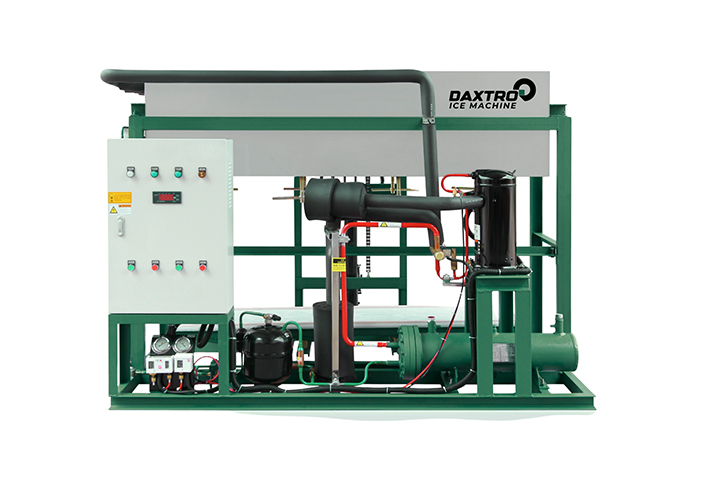
The Total Cost of Ownership represents all expenses associated with owning and operating industrial ice equipment throughout its service life.
The purchase price includes:
· Ice machine
· Refrigeration system
· Installation
· Water treatment system
· Electrical setup
· Transportation
While this represents the largest one-time expense, it is only one part of the overall investment.
Daily operating costs include:
· Electricity
· Water consumption
· Refrigerant maintenance
· Labor
· Routine servicing
· Spare parts
Energy-efficient equipment significantly reduces these recurring expenses.
Industrial equipment requires scheduled maintenance to maintain peak performance.
Well-designed systems minimize:
· Unexpected breakdowns
· Component wear
· Emergency repairs
· Production interruptions
Reliable manufacturers such as Daxtro engineer equipment with durable components that simplify maintenance and reduce service costs.
Electricity is one of the largest operating expenses for industrial ice production.
Advanced compressors and optimized refrigeration systems consume less electricity while maintaining high production capacity.
Benefits include:
· Lower monthly utility bills
· Reduced carbon footprint
· Improved cooling efficiency
· Stable ice production
Even modest improvements in energy efficiency can generate substantial savings over thousands of operating hours annually.
Modern Ice Manufacturing Equipment often includes:
· Automatic monitoring
· Smart temperature control
· Load optimization
· Energy-saving operating modes
These technologies ensure the machine only consumes the power necessary for current production demands.
A machine that produces more ice with fewer interruptions generates higher returns.
Reliable production allows businesses to:
· Meet customer demand
· Avoid production delays
· Reduce outsourcing costs
· Improve operational planning
Consistent output becomes especially important during seasonal demand peaks.
Efficient equipment shortens freezing cycles while maintaining ice quality.
Higher production capacity means businesses can expand without immediately investing in additional equipment.
Unexpected equipment failure can create significant hidden costs.
Downtime may result in:
· Lost production
· Missed deliveries
· Product spoilage
· Customer dissatisfaction
· Emergency repair expenses
For industries such as seafood processing or food manufacturing, even a few hours without ice can have serious consequences.
Premium Ice Manufacturing Equipment is built using high-quality compressors, evaporators, pumps, and electrical components that reduce the likelihood of unexpected failures.
Reliable equipment keeps production running consistently throughout the year.
Industrial ice machines are long-term capital assets.
A well-built system can remain productive for many years with proper maintenance.
Choosing durable equipment provides:
· Longer depreciation periods
· Better resale value
· Lower replacement frequency
· Improved financial planning
Instead of replacing low-cost machines every few years, businesses benefit from decades of dependable operation.
Ice quality directly affects customer satisfaction and product preservation.
High-quality Ice Manufacturing Equipment produces ice with:
· Uniform size
· High density
· Slow melting characteristics
· Clean appearance
· Stable cooling performance
Superior ice improves operational efficiency in industries including:
· Food processing
· Fisheries
· Supermarkets
· Healthcare
· Chemical cooling
· Concrete construction
Higher-quality products often justify premium pricing and strengthen customer relationships.
Businesses do not always need to pay the full equipment cost upfront.
Common financing options include:
Leasing reduces initial capital requirements while allowing businesses to benefit from advanced technology immediately.
Monthly payments spread investment costs across the equipment's revenue-generating lifespan.
Many regions offer financial incentives for installing energy-efficient industrial equipment, reducing the overall investment burden.
Before purchasing Ice Manufacturing Equipment, companies should estimate expected ROI.
Consider factors such as:
· Annual electricity savings
· Reduced maintenance expenses
· Increased production capacity
· Lower labor costs
· Reduced downtime
· Extended equipment lifespan
Many businesses discover that premium equipment pays for itself within a relatively short period through operational savings alone.
Selecting the right manufacturer is just as important as selecting the right machine.
Daxtro focuses on delivering industrial ice solutions that combine reliability, efficiency, and long-term value. Advanced engineering, energy-efficient refrigeration technology, durable construction, and comprehensive technical support help customers achieve maximum return on investment.
Whether expanding an existing facility or building a new production line, investing in dependable Ice Manufacturing Equipment from Daxtro reduces lifetime operating costs while supporting sustainable business growth.
Although industrial ice equipment represents a significant capital investment, evaluating only the purchase price overlooks the true financial picture. Energy efficiency, equipment reliability, maintenance costs, productivity, and lifespan all contribute to long-term profitability.
Businesses that prioritize total cost of ownership instead of initial price often achieve stronger financial performance and greater operational stability. By investing in high-quality Ice Manufacturing Equipment, companies can reduce operating expenses, improve productivity, and generate a stronger ROI for years to come. Choosing Daxtro ensures a dependable solution designed to deliver lasting value in demanding industrial environments.
Previous: Block Ice Applications in Large-Scale Cooling, Ice Sculpting, and Remote Area Use
Next: Stainless Steel Ball Valves Enhance Safety and Efficiency at Chemical Plant
Copyright:@2020-2021

Comments Please sign in or sign up to post.
0
0 of 500 characters used