
Outdoor apparel is expected to perform in a wide range of environments, from mountain trails and hiking paths to urban commuting and extreme weather conditions. While features like waterproofing and breathability often receive the most attention, two equally important factors—fabric weight and stretch—play a critical role in determining the comfort, durability, and functionality of outdoor garments.
For apparel brands, understanding these characteristics is essential when selecting materials. Partnering with an experienced functional fabric manufacturer like Weaver Birds ensures that your fabrics are optimized for specific applications and deliver consistent performance in the field.
Fabric weight refers to the mass of a textile, typically measured in grams per square meter (GSM). It influences how a garment feels, performs, and withstands different environmental conditions.
Choosing the appropriate GSM depends on the intended use of the apparel.
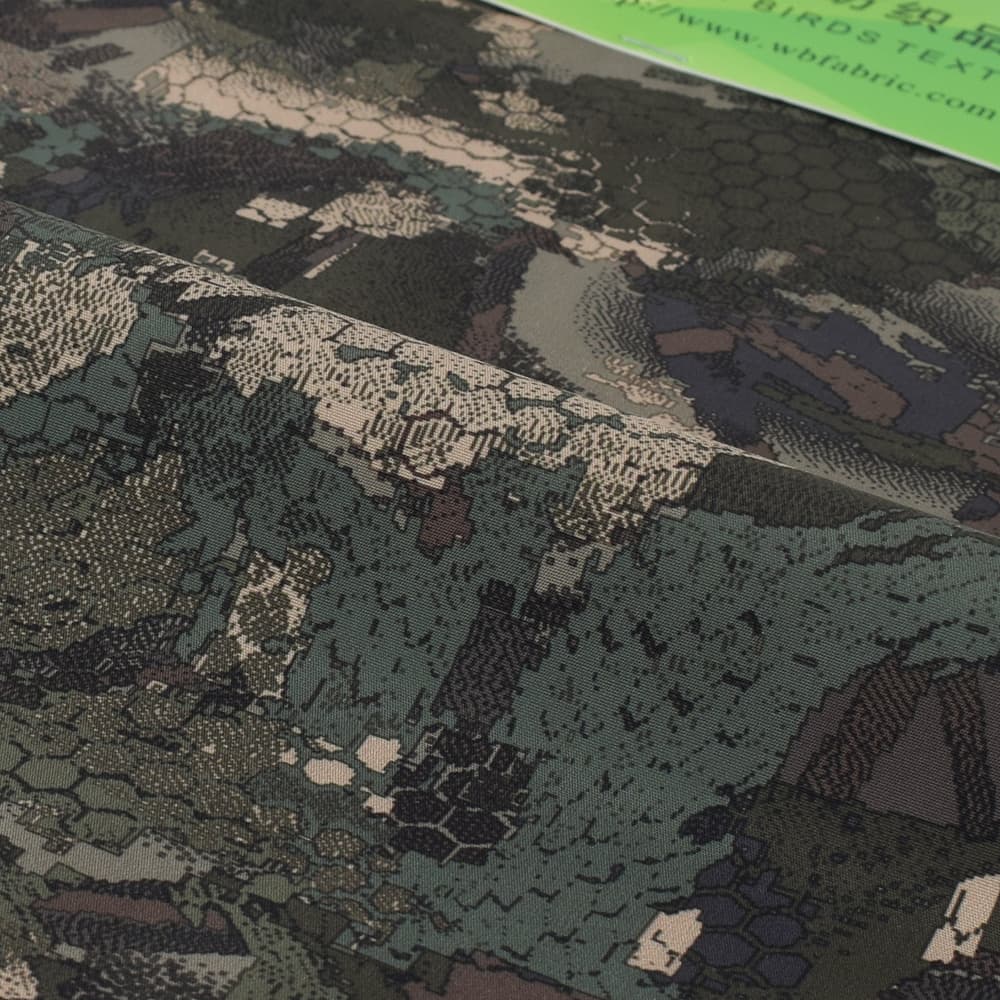
Lightweight functional fabrics are designed for maximum comfort and mobility.
Common applications include:
· Running shirts
· Hiking base layers
· Cycling jerseys
· Summer outdoor apparel
Benefits include:
· Excellent breathability
· Faster moisture evaporation
· Reduced garment weight
· Improved packability
· Enhanced wearer comfort
However, lightweight fabrics may offer lower abrasion resistance, making them less suitable for rugged environments.
Medium-weight fabrics provide a balance between comfort and durability.
These fabrics are commonly used in:
· Hiking pants
· Softshell jackets
· Outdoor shirts
· Training apparel
Advantages include:
· Better durability
· Moderate insulation
· Improved versatility
· Comfortable year-round performance
This range is often preferred for multi-season outdoor collections.
Heavyweight fabrics are designed for demanding outdoor conditions.
Typical applications include:
· Winter jackets
· Workwear
· Tactical clothing
· Protective outerwear
Key benefits include:
· Superior durability
· Better wind resistance
· Increased thermal insulation
· Longer service life
The trade-off is increased garment weight, which may reduce mobility during high-intensity activities.
Stretch determines how well a fabric moves with the body. Outdoor enthusiasts frequently climb, bend, run, and carry equipment, making flexibility an essential performance feature.
An experienced functional fabric manufacturer carefully balances stretch with durability to ensure garments maintain their shape after repeated use.
Two-way stretch fabrics extend in one direction, usually across the width of the fabric.
These materials are suitable for:
· Casual outdoor apparel
· Lightweight jackets
· Everyday performance clothing
They provide moderate flexibility while maintaining structural stability.
Four-way stretch fabrics expand both lengthwise and crosswise, allowing unrestricted movement.
These fabrics are ideal for:
· Hiking pants
· Climbing apparel
· Running wear
· Cycling garments
· Ski clothing
Benefits include:
· Greater freedom of movement
· Enhanced athletic performance
· Improved wearer comfort
· Better garment fit
For active outdoor applications, four-way stretch fabrics are often the preferred choice.
Selecting the right combination of weight and stretch depends on the garment's intended purpose.
For activities such as trail running or mountain biking, lightweight fabrics with four-way stretch provide:
· Reduced fatigue
· Excellent ventilation
· Maximum mobility
· Quick drying
For hiking and trekking, medium-weight fabrics with moderate stretch offer an excellent balance of:
· Durability
· Comfort
· Weather resistance
· Flexibility
Winter garments benefit from heavier fabrics combined with stretch panels that improve mobility without sacrificing warmth.
This combination delivers protection against harsh weather while maintaining wearer comfort.
Although fabric weight and stretch are important, they should be evaluated alongside other functional properties.
Moisture-wicking fabrics transport sweat away from the skin, helping regulate body temperature and keeping wearers dry during physical activity.
Highly breathable fabrics allow heat and moisture vapor to escape, preventing overheating during strenuous outdoor adventures.
Outdoor garments often experience contact with rocks, backpacks, and rough surfaces.
Higher abrasion resistance extends product lifespan and maintains garment appearance.
For jackets and outer shells, waterproof membranes and durable water-repellent (DWR) finishes protect wearers from rain while preserving comfort.
Stretch fabrics should quickly return to their original shape after movement.
Good recovery prevents garments from becoming loose or misshapen after repeated wear.
Choosing the right fabric involves more than selecting a GSM value or adding elastane. A knowledgeable functional fabric manufacturer provides technical guidance throughout product development.
A reliable manufacturer should offer:
Professional textile engineers can recommend the best fiber blends, fabric constructions, and finishing technologies based on your product goals.
Every apparel brand has unique performance requirements.
Custom development options may include:
· Fabric weight adjustments
· Stretch optimization
· Waterproof coatings
· Breathable laminates
· Sustainable fiber blends
· Color customization
Consistent performance requires rigorous testing for:
· Stretch recovery
· Tear strength
· Abrasion resistance
· Color fastness
· Moisture management
· Waterproof performance
Quality assurance ensures fabrics perform consistently across production batches.
Weaver Birds is a trusted functional fabric manufacturer specializing in innovative textile solutions for outdoor apparel, sportswear, workwear, and lifestyle brands.
With years of industry expertise, Weaver Birds offers:
· Lightweight, medium-weight, and heavyweight functional fabrics
· Two-way and four-way stretch textile solutions
· Moisture-wicking and quick-dry technologies
· Waterproof and breathable fabric systems
· Sustainable recycled material options
· Custom fabric development services
· Advanced quality control and testing
· Reliable global manufacturing and supply
By combining technical expertise with flexible production capabilities, Weaver Birds helps brands develop garments that perform reliably in demanding environments.
Fabric weight and stretch significantly influence the performance, comfort, and durability of outdoor apparel. Lightweight fabrics maximize mobility, heavier materials provide greater protection, and stretch technologies enhance freedom of movement across a wide range of activities.
Selecting the ideal combination requires careful consideration of end-use applications, climate conditions, and customer expectations. Working with an experienced functional fabric manufacturer like Weaver Birds gives brands access to innovative materials, expert technical support, and dependable manufacturing solutions. With the right fabric partner, you can create outdoor garments that deliver exceptional performance, comfort, and long-term value.
Previous: None.
Copyright:@2020-2021

Comments Please sign in or sign up to post.
0
0 of 500 characters used