
Soft shell fabrics have become a popular choice for outdoor apparel because they offer an excellent balance of comfort, flexibility, and weather protection. However, one question frequently asked by apparel brands and outdoor enthusiasts is: Can soft shell fabric be used as a waterproof outer layer?
The answer depends on the intended application and the level of weather protection required. While soft shell fabrics provide outstanding performance in many outdoor conditions, they are not always a substitute for fully waterproof materials.
In this guide, we'll explain how soft shell fabrics work, compare them with waterproof shell fabrics, and help you determine when they are the right choice for your products. If you're sourcing high-performance textiles, partnering with an experienced softshell material supplier like Weaver Birds ensures access to advanced fabric technologies tailored to your needs.
Soft shell fabric is a functional textile designed to combine comfort, breathability, stretch, and moderate weather resistance in a single material. It is commonly constructed from polyester or nylon blended with elastane, and many versions include a soft fleece backing for added warmth.
Unlike traditional waterproof shells, soft shell fabrics prioritize mobility and comfort while still providing protection from wind and light moisture.
Typical features include:
· Excellent breathability
· Wind resistance
· Water-resistant surface
· Four-way stretch
· Lightweight construction
· Soft hand feel
· Good abrasion resistance
These qualities make soft shell fabrics ideal for active outdoor use.
In most cases, no. Standard soft shell fabrics are water-resistant, not fully waterproof.
They can repel light rain, mist, and snow thanks to a Durable Water Repellent (DWR) finish. However, during prolonged exposure to heavy rainfall or high water pressure, moisture will eventually penetrate the fabric.
For activities where complete waterproof protection is essential, a dedicated waterproof shell remains the better option.
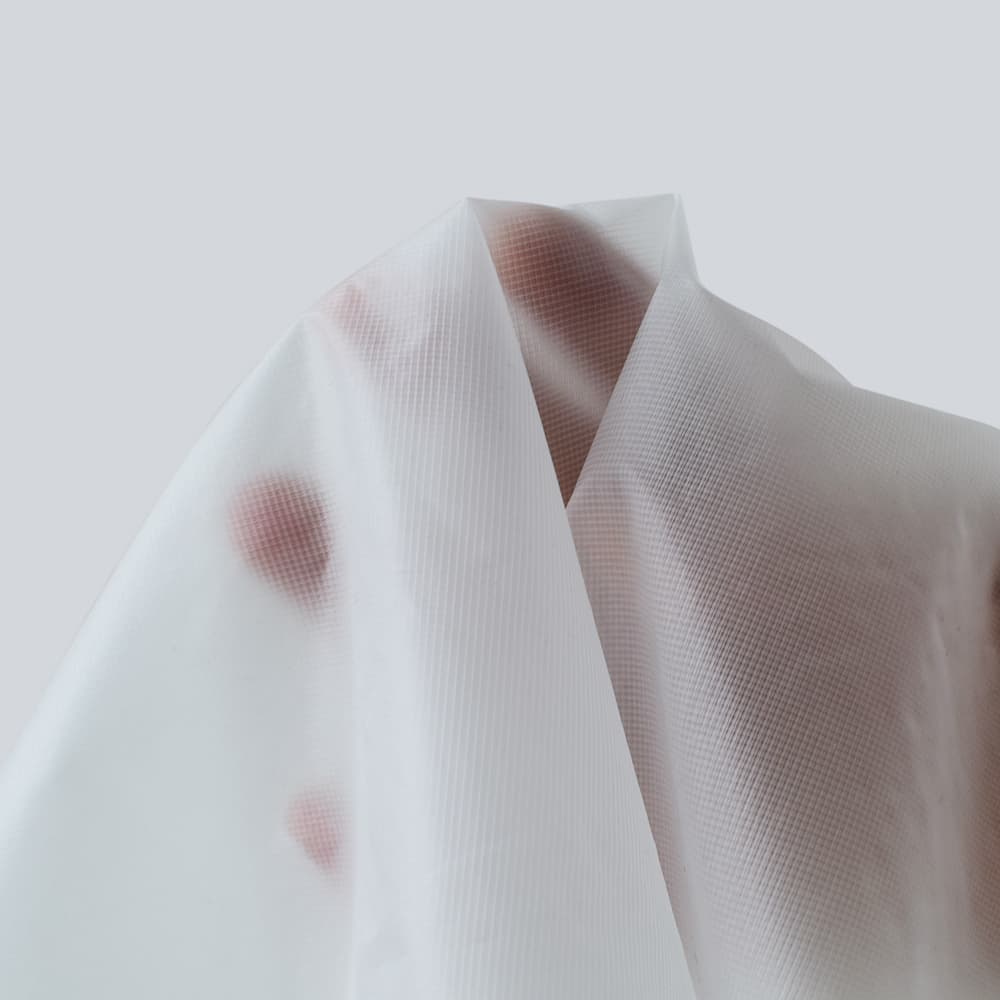
Most soft shell fabrics receive a DWR treatment that causes water droplets to bead on the surface instead of soaking into the fibers.
This treatment offers several benefits:
· Keeps garments dry during light showers
· Helps maintain fabric breathability
· Prevents the outer layer from becoming saturated
· Improves comfort in changing weather
Over time, DWR finishes can wear off, but they can often be renewed with appropriate maintenance or re-treatment.
Although not completely waterproof, soft shell fabric performs exceptionally well as an outer layer in many environments.
Most hiking trips involve changing temperatures rather than constant heavy rain.
Soft shell jackets provide:
· Breathability during climbs
· Wind protection at higher elevations
· Comfortable stretch for movement
· Light rain resistance
For many hikers, this combination offers greater comfort than wearing a waterproof shell throughout the day.
Rock climbers benefit from the flexibility of soft shell fabrics.
Their stretch properties allow unrestricted movement while protecting against wind and occasional moisture.
During severe weather, climbers typically carry a lightweight waterproof shell as a backup layer.
Commuters and travelers often encounter brief showers rather than extended storms.
Soft shell jackets offer a practical combination of style, comfort, and weather protection for daily use.
There are situations where water-resistant protection simply isn't enough.
If users expect prolonged rainfall, waterproof fabrics with sealed seams provide far better protection than soft shell materials.
Skiing, snowboarding, and winter mountaineering expose garments to melting snow and persistent moisture.
Waterproof shells prevent water penetration while maintaining insulation performance.
Outdoor work near water often involves continuous exposure to rain, waves, and splashing.
These conditions require fabrics specifically engineered for waterproof performance.
Yes. Advances in textile technology have significantly improved soft shell performance.
An experienced softshell material supplier can provide fabrics with enhanced protection through:
Modern fluorine-free and eco-friendly DWR finishes improve water repellency while supporting environmental sustainability.
Some premium soft shell fabrics incorporate breathable membranes that increase water resistance without sacrificing flexibility.
These hybrid fabrics bridge the gap between traditional soft shell and waterproof shell materials.
Three-layer soft shell constructions improve weather protection while maintaining excellent stretch and comfort.
These fabrics are increasingly used in technical outdoor apparel.
Selecting the best fabric depends on your target market and product application.
· High breathability
· Lightweight comfort
· Excellent flexibility
· Wind resistance
· Water resistance for light rain
· Everyday outdoor versatility
· Complete rain protection
· Snow resistance
· Long-term exposure to wet conditions
· Technical mountaineering performance
· Professional outdoor workwear
Many outdoor brands include both soft shell and waterproof jackets in their product lines to meet different customer needs.
Choosing the right supplier is essential for developing reliable outdoor apparel.
A trusted softshell material supplier offers more than fabric production—they provide technical expertise throughout the product development process.
Look for suppliers that offer:
Tailored solutions for:
· Fabric weight
· Stretch performance
· Water resistance
· Breathability
· Surface finishes
· Sustainable materials
Reliable manufacturers evaluate:
· Water repellency
· Moisture management
· Abrasion resistance
· Tear strength
· Stretch recovery
· Color fastness
These tests help ensure consistent product quality.
Weaver Birds is a leading softshell material supplier specializing in advanced functional textiles for outdoor apparel, sportswear, and workwear.
The company offers:
· Premium soft shell fabrics with excellent breathability
· Water-resistant and windproof textile solutions
· Four-way stretch materials for superior mobility
· Hybrid soft shell fabrics with enhanced weather protection
· Sustainable recycled fabric options
· Custom fabric engineering and development
· Strict quality control and laboratory testing
· Reliable manufacturing capacity and global supply
By combining innovative textile technology with responsive customer support, Weaver Birds helps brands create high-performance outdoor garments that meet the demands of modern consumers.
Soft shell fabric can serve as an excellent outer layer for many outdoor activities, offering outstanding comfort, breathability, stretch, and protection against light rain and wind. However, it is not a replacement for a fully waterproof shell in prolonged or severe wet conditions.
Understanding your product's intended use is the key to selecting the right material. By partnering with an experienced softshell material supplier like Weaver Birds, apparel brands gain access to advanced fabric solutions, technical expertise, and customized development services that help create durable, high-performance outdoor clothing for every adventure.
Previous: Aerogel Blanket Advantages in Insulation
Next: Which Fiber Performs Better for Wearable EMF Protection Clothing
Copyright:@2020-2021

Comments Please sign in or sign up to post.
0
0 of 500 characters used