
Industrial equipment operates in demanding environments where reliability, efficiency, and durability are essential. Whether powering forklifts, automated guided vehicles (AGVs), mining machinery, construction equipment, or backup power systems, selecting the right Industrial Rechargeable Batteries can significantly improve operational performance while reducing maintenance costs.
As industries increasingly adopt electrified equipment, businesses need batteries that deliver consistent power, long service life, and excellent safety. Wiren provides high-quality industrial battery solutions designed to meet the rigorous requirements of heavy-duty applications.
This guide explains the most important factors to consider when choosing industrial rechargeable batteries for heavy-duty equipment.
Unlike consumer batteries, Industrial Rechargeable Batteries are engineered to withstand continuous charging and discharging under harsh operating conditions. They provide dependable energy for mission-critical operations while minimizing downtime.
Key benefits include:
· High energy efficiency
· Long cycle life
· Low maintenance requirements
· Stable power output
· Lower operating costs over time
· Environmentally friendly compared to disposable batteries
Choosing the right battery directly impacts equipment productivity, operating expenses, and workplace safety.
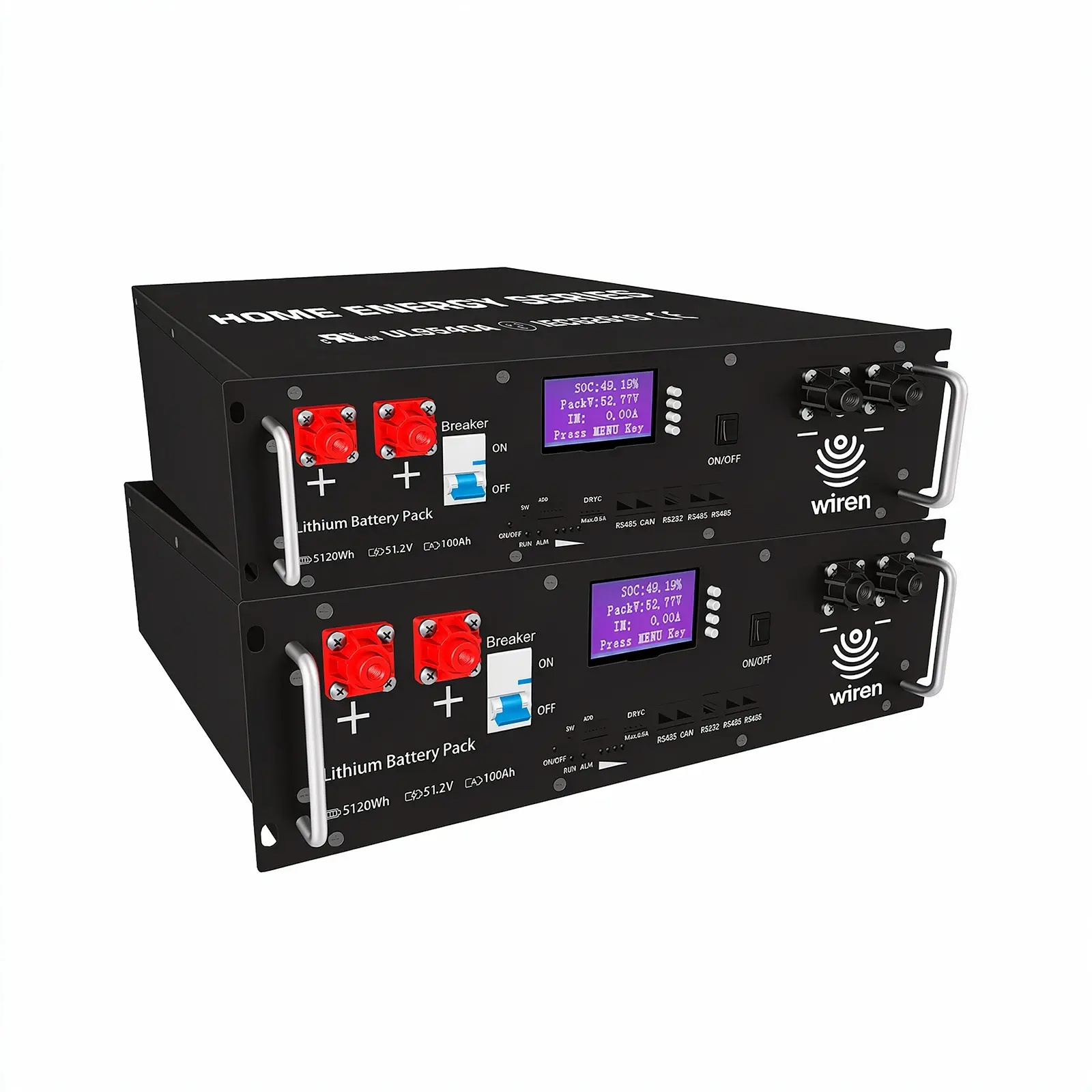
Every heavy-duty machine requires a specific battery voltage. Common industrial voltages include:
· 12V
· 24V
· 36V
· 48V
· 72V
· Higher custom configurations
Selecting the wrong voltage may damage equipment or reduce operating efficiency.
Battery capacity, measured in ampere-hours (Ah), determines how long equipment can operate before recharging.
Higher-capacity Industrial Rechargeable Batteries allow:
· Longer operating hours
· Fewer charging interruptions
· Improved productivity for multi-shift operations
Always calculate expected daily energy consumption before selecting battery capacity.
Different battery technologies offer unique advantages.
Lithium-ion batteries have become the preferred choice for many industrial applications because they offer:
· Fast charging
· High energy density
· Lightweight construction
· Maintenance-free operation
· Longer lifespan
· Opportunity charging during work breaks
These batteries are ideal for warehouses, logistics centers, robotics, and automated manufacturing.
Lead-acid batteries remain popular due to their lower initial investment.
Advantages include:
· Lower purchase cost
· Proven reliability
· Wide availability
· Suitable for standard industrial applications
However, they require regular maintenance and longer charging times.
Nickel batteries perform well in extreme temperatures and demanding environments but are generally used for specialized industrial equipment.
Heavy-duty equipment often works in challenging conditions.
Extreme heat and cold affect battery efficiency.
Look for Industrial Rechargeable Batteries designed for:
· Cold storage facilities
· Outdoor construction
· Mining operations
· High-temperature manufacturing plants
Temperature-resistant batteries maintain stable performance throughout varying climates.
Industrial environments expose batteries to:
· Dust
· Dirt
· Humidity
· Water splashes
· Chemicals
Choose battery systems with durable housings and appropriate protection ratings for harsh environments.
Cycle life refers to the number of complete charge and discharge cycles a battery can perform before capacity declines significantly.
High-quality Industrial Rechargeable Batteries typically offer:
· Longer service life
· Reduced replacement frequency
· Lower lifetime ownership costs
· Better return on investment
Although premium batteries may cost more initially, they often provide substantial long-term savings.
Instead of focusing only on purchase price, evaluate:
· Battery lifespan
· Charging efficiency
· Maintenance expenses
· Downtime costs
· Replacement frequency
· Energy consumption
A battery with a higher upfront cost may ultimately deliver greater value over several years.
Heavy-duty equipment often operates around the clock.
Fast-charging batteries provide:
· Reduced downtime
· Higher equipment utilization
· Greater operational flexibility
Lithium battery technology is particularly effective for rapid charging applications.
Modern industrial operations increasingly rely on opportunity charging, allowing batteries to recharge during:
· Lunch breaks
· Shift changes
· Scheduled maintenance
· Idle periods
This eliminates the need for battery swapping and increases equipment availability.
Battery safety is critical in industrial workplaces.
Look for batteries with built-in protection systems such as:
An intelligent BMS monitors:
· Voltage
· Current
· Temperature
· Charging status
· Cell balancing
The system helps prevent:
· Overcharging
· Deep discharge
· Short circuits
· Thermal runaway
Reliable manufacturers provide batteries that comply with international quality and safety standards, ensuring consistent performance and regulatory compliance.
Maintenance directly impacts operating costs.
Lead-acid batteries often require:
· Water refilling
· Terminal cleaning
· Equalization charging
· Ventilation management
By comparison, many lithium Industrial Rechargeable Batteries require little to no routine maintenance, making them ideal for busy industrial environments.
Before purchasing, verify compatibility with your equipment.
Common applications include:
Industrial rechargeable batteries power:
· Electric forklifts
· Reach trucks
· Pallet jacks
· AGVs
Reliable batteries support:
· Electric excavators
· Loaders
· Utility vehicles
· Compact construction equipment
Factories depend on rechargeable batteries for:
· Automated production lines
· Mobile robots
· Warehouse automation
· Backup systems
Selecting application-specific batteries improves operational reliability.
Wiren focuses on delivering advanced battery solutions for industrial customers worldwide.
Key advantages include:
Wiren batteries provide stable power output even under demanding operating conditions.
Premium materials and advanced manufacturing processes help maximize battery lifespan and reduce replacement frequency.
Integrated protection systems improve operational safety while extending battery performance.
Wiren offers customized battery configurations tailored to different industries, equipment types, and operating environments.
From product selection to after-sales service, Wiren provides expert guidance to help customers choose the most suitable battery solution.
Choosing the right Industrial Rechargeable Batteries requires careful evaluation of equipment requirements, battery chemistry, operating conditions, charging methods, safety features, maintenance needs, and total cost of ownership. The right battery not only improves equipment performance but also reduces downtime and operating expenses over the long term.
With reliable performance, advanced safety features, long cycle life, and customizable solutions, Wiren offers industrial rechargeable batteries that help businesses maximize productivity while meeting the demands of today's heavy-duty equipment applications. Investing in the right battery today ensures greater efficiency, lower lifecycle costs, and dependable power for years to come.
Previous: Exploring the Importance and Advantages of SDI Optical Transceivers
Next: OEM Microwave Hot Food Vending Machine: Customization Options for Operators
Copyright:@2020-2021

Comments Please sign in or sign up to post.
0
0 of 500 characters used